Key Takeaways
- Provide a balanced diet and fresh, clean water every day.
- Regular exercise, walks and plenty of sniffing support both physical and mental health.
- Use play, training, puzzles and enrichment to prevent boredom.
- Look after their teeth, coat, ears and nails to keep them comfortable and healthy.
- Keep vaccinations, parasite prevention and veterinary check-ups up to date.
- Give your dog a clean, comfortable place to rest and remove potential hazards.
- Time, patience, affection and positive training help your dog feel safe, confident and part of the family.
Keeping your dog healthy and happy is about more than good food and the occasional trip to the vet. Dogs need proper nutrition, exercise, mental stimulation, grooming, preventative care, rest, and plenty of love.
The good news is that most of these things can become simple parts of your everyday routine. When you consistently meet your dog’s physical and emotional needs, they are more likely to feel secure, comfortable, and confident.
1. Feed a Healthy, Balanced Diet
Good nutrition is the foundation of your dog’s health. Choose a complete, balanced diet that suits their age, size and activity level. Puppies, adults and senior dogs have different nutritional needs, so the food that works for one dog may not be right for another.
Portion control matters too. Overfeeding can lead to obesity, which puts extra strain on the joints and can contribute to other health problems. Measure your dog’s food rather than guessing, and remember that treats count towards their daily intake.
Avoid foods that are toxic to dogs, including:
- Chocolate
- Grapes and raisins
- Onions and garlic
- Macadamia nuts
If you’re unsure whether a food is safe, don’t give it to your dog until you’ve checked with your vet.
Fresh, clean water should always be available. Wash water bowls daily and clean food bowls regularly, particularly after feeding wet or raw food.
2. Give Them Daily Exercise
Dogs need regular movement and physical exercise to keep their bodies healthy and their minds occupied. Walks, running, fetch, tug, and play can all form part of your dog’s exercise routine.
How much exercise your dog needs will depend on their age, breed, size and health. A young, energetic dog may need considerably more activity than an older dog.
Don’t focus only on tiring your dog out physically, though. Walks also allow them to explore their surroundings.
Let your dog sniff. Sniffing is a form of mental stimulation and gives your dog the chance to investigate the world through one of their most important senses. A slower walk with plenty of sniffing can be just as valuable as a fast-paced walk.
If your dog spends time off-lead, make sure the area is secure and that they have a reliable recall. Keep their collar and ID tag up to date, and make sure their microchip information is current.
3. Keep Their Mind Busy
Physical exercise is only part of the picture. Dogs are intelligent animals that need opportunities to think, explore and solve problems.
Mental enrichment can be as simple as:
- Scattering treats or kibble for your dog to sniff out
- Using puzzle feeders
- Playing with different toys
- Practising new tricks
- Having short reward-based training sessions
- Giving them safe opportunities to explore
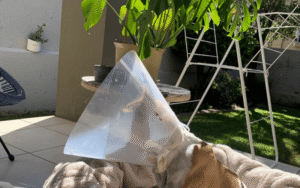
Enrichment is particularly useful for dogs that cannot do a lot of physical exercise. A dog recovering from an injury or surgery, for example, can still use their brain even when their physical activity needs to be restricted.
Mental stimulation can also help prevent boredom-related behaviours such as excessive barking, chewing and digging.
4. Give Them a Comfortable Place to Rest
Your dog needs somewhere they can relax without being disturbed. Provide a clean, comfortable bed or blanket in a quiet area of the home.
Some dogs prefer sleeping in an open space where they can see what’s happening, while others feel safer in a crate or den-like area. The important thing is that your dog has somewhere they can retreat to when they want some peace and quiet.
Dogs also sleep a lot. Adult dogs generally need around 12–14 hours of rest a day, while puppies and senior dogs may need even more.
Don’t assume your dog needs to be entertained every minute they’re awake. Rest is part of a healthy routine too.
5. Stay on Top of Grooming and Dental Care
Regular grooming isn’t just about making your dog look good. It gives you an opportunity to check their skin, coat, ears, paws and nails for anything unusual.
Brush your dog regularly to remove loose hair and help keep their coat and skin healthy. Trim their nails when needed, as overgrown nails can become painful and affect the way they walk. Bathe them when necessary using a shampoo made specifically for dogs.
Grooming is also a good time to look for lumps, skin irritation, parasites, sore areas or changes you may otherwise miss.
Don’t forget their teeth. Plaque and tartar can lead to gum disease, infections and painful dental problems. Regular brushing with dog-safe toothpaste is one of the best ways to support good oral health. Watch for signs such as persistent bad breath, red or swollen gums and difficulty eating.
6. Protect Them From Fleas, Ticks and Worms
Parasite prevention should be part of your dog’s regular healthcare routine. Fleas and ticks can cause itching, skin problems and disease, while internal parasites can cause digestive problems and other health complications.
The right preventative treatment and frequency will depend on your dog’s age, lifestyle and local parasite risks. Speak to your vet about an appropriate flea, tick and deworming programme rather than relying on a one-size-fits-all schedule.
Regularly wash your dog’s bedding and keep their sleeping and outdoor areas clean as well.
7. Keep Their Environment Safe and Clean
Your home should be somewhere your dog feels safe.
Keep their sleeping area clean, provide regular opportunities to go outside and remove things they could chew or swallow. Dogs are naturally curious and may investigate objects with their mouths, which can lead to choking or intestinal blockages. Toys, socks, plastic, wrappers, sticks and small household objects can all become hazards.
Teach useful cues such as “leave it” and “drop it”, and supervise your dog when they’re playing with toys or chewing something.
A clean home also helps reduce the buildup of pet hair, dirt, allergens and bacteria. Regularly clean their bowls, bedding and the areas where they spend most of their time.
Never leave your dog in a parked car. Temperatures can become dangerously high very quickly.
8. Make Preventative Vet Care a Priority
Regular veterinary care isn’t only for when your dog is sick. Check-ups allow your vet to monitor their weight, dental health and general condition and spot potential problems early.
Keep vaccinations and parasite prevention up to date, and speak to your vet about the appropriate schedule for your dog’s age and lifestyle.
Pay attention to changes at home too. If your dog suddenly becomes withdrawn, stops eating, starts behaving differently, develops unusual symptoms or seems uncomfortable, don’t simply wait for it to pass. Contact your vet.
9. Get to Know Your Individual Dog
There is no perfect routine that works for every dog.
Some dogs love long walks and games of fetch. Others would rather spend an afternoon sniffing around the garden. Some are social butterflies, while others prefer their own space.
Learning your dog’s personality helps you understand what makes them feel comfortable and what causes stress. Their exercise, enrichment and daily routine can then be built around their individual needs.
Pay attention to their body language and behaviour. Changes in appetite, energy, sleep, interaction or behaviour can sometimes be an early sign that something isn’t right.
10. Build Confidence With Positive Training
Training isn’t just about teaching your dog to sit or stay. It helps them understand what you expect and gives them useful skills for navigating everyday life.
Use reward-based training to teach behaviours such as recall, settling, walking nicely on a lead and being comfortable spending some time alone.
Keep training sessions short, positive and consistent. Praise the behaviour you want instead of relying on punishment, which can create fear and confusion.
Most importantly, make time for affection. Play together. Talk to them. Let them hang out with you. Give them a gentle fuss when they want it.