The Home Gardens (Blog) is reader-supported. When you buy through links on this page, we may earn an affiliate commission at no additional cost to you.
Watching your dog recover from surgery or an injury is hard. They look at you with those confused eyes, bumping into furniture and struggling to find a comfortable spot, and all you want to do is make things easier. If your veterinarian has sent you home with an Elizabethan collar, more affectionately known as the “cone of shame”, you are far from alone. In fact, over the past 5 years, my dog Luna and I have accumulated quite a collection of E-collars. It’s safe to say she has been very generous with her vet visits, and we’ve learned firsthand just how vital and varied these recovery tools can be.
Why the Cone Exists (and Why Vets Take It Seriously)
The Elizabethan collar has been a staple of veterinary care since the 1950s, and for good reason—it works. Its sole job is to create a physical barrier between your dog’s mouth and a wound, surgical incision, or irritated patch of skin. When that barrier is removed too soon, the consequences can be serious.
Dogs lick wounds instinctively. While dog saliva does contain some antimicrobial compounds, the mechanical action of licking is far more harmful than helpful on a fresh incision. It introduces bacteria from the mouth, keeps the wound moist (which slows healing), and can physically pull out stitches or staples. According to veterinary guidelines, even a brief licking episode in the first 48 to 72 hours after surgery can be enough to open a wound or trigger an infection that requires a second procedure.
Beyond surgical sites, vets prescribe protective collars for:
- Hot spots (acute moist dermatitis) that spread rapidly when scratched or licked
- Allergic skin reactions that the dog is obsessively grooming
- Eye or ear treatments that the dog would otherwise paw at
- Bandage protection on limbs or the tail
The cone isn’t a punishment—it’s a protective tool. Think of it as a temporary shield that gives your dog’s body the uninterrupted time it needs to heal properly.
When Your Dog Truly Needs Protection
After Surgery or Sutures
Any time your dog has stitches, staples, or a surgical drain, a protective collar is non-negotiable for the first phase of healing. Our very first experience with this was right after Luna was sterilised when she was a puppy. It was a massive learning curve for both of us, experiencing the clumsy world of post-op recovery for the first time.
Watch for signs that your dog is fixating on the site: repeatedly craning their neck toward the area, licking their paws immediately after touching the wound, or circling and repositioning to get a better angle. Early intervention with a collar prevents problems that are far more expensive and painful to treat later.
Hot Spots and Skin Conditions
Hot spots can escalate remarkably quickly. What starts as a small, damp patch of irritated skin can double in size within hours if a dog is allowed to lick and scratch at it. This is exactly how we earned our second E-collar. Luna developed excessive licking due to seasonal allergies and licked herself completely raw.
If you notice your dog obsessively grooming one spot, especially if the fur looks matted or the skin appears red and weepy, acting fast with a protective barrier can prevent a minor issue from becoming a significant dermatological problem.
The Traditional Plastic Cone: Pros, Cons, and Tips
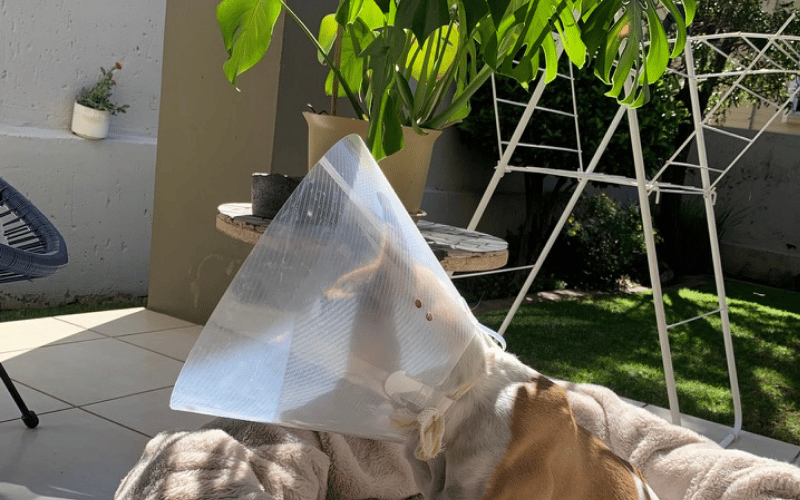
The rigid plastic Elizabethan collar remains the gold standard in veterinary recovery care precisely because it is so effective. Its stiff, funnel-shaped design makes it nearly impossible for even the most flexible or determined dog to bypass.
For wounds on the paws, the base of the tail, or other hard-to-reach areas, it is often the only option that provides reliable protection. When Luna had her allergy flare-up, we used a standard plastic cone, though we managed to find one with a pretty flower petal trim to give her a little bit of dignity!
The Downsides
There is a reason it’s called the cone of shame. The rigid plastic tunnels your dog’s vision, turns every doorway into an obstacle, and makes getting comfortable on a bed or in a crate surprisingly difficult. Many dogs experience elevated stress levels while wearing one, which can slow recovery. Feeding and drinking can also become frustrating for both you and your dog.
Tips for Helping Your Dog Adjust
- Introduce the cone before surgery if possible, letting your dog sniff it and associate it with treats.
- Use positive reinforcement consistently, reward calm behaviour with small, soft treats and a soothing voice.
- Rearrange furniture or use temporary gates to clear pathways and reduce collisions.
- Elevate food and water bowls so the cone clears the floor during mealtimes.
- Stay calm yourself: dogs read our energy, and your relaxed presence genuinely helps them settle.
Modern Alternatives to the Plastic Cone
If the traditional cone is causing significant distress or is not practical for your dog’s injury location, several well-designed alternatives are worth discussing with your vet.
Soft Fabric Collars
Padded, flexible collars made from soft fabric serve the same purpose as the plastic cone but allow your dog to rest their head comfortably, navigate rooms more easily, and sleep in their natural position. They are an excellent choice for dogs recovering from abdominal surgeries or injuries to the back and torso, where the injury is not directly accessible.
The main consideration with fabric collars is hygiene. Because your dog will wear the collar around the clock, it can accumulate food, water, and bacteria. Check the manufacturer’s label for washing instructions—most are machine washable—and spot-clean daily with a damp cloth and mild, fragrance-free detergent. Having a second collar on hand makes it easy to swap them out during cleaning.
Inflatable Collars
Inflatable, doughnut-shaped collars—sometimes called “travel pillow” collars—sit around the neck and prevent a dog from bending their head far enough to reach most wounds. Because they do not extend out in front like a cone, they leave peripheral vision completely clear, which dramatically reduces anxiety for many dogs. Most pets adjust to an inflatable collar much faster than a rigid cone.
We recently had to upgrade to our third collar, and hopefully our last one for a very long while, when Luna had to have an anal abscess drained. For sensitive, localised issues like this, alternative collars can sometimes offer a more targeted barrier depending on your dog’s flexibility.
However, inflatable collars have real limitations. Dogs with long snouts or unusually flexible spines can sometimes manoeuvre around them to reach wounds on the flanks, hindquarters, or paws. Always supervise your dog closely during the first few hours to confirm the collar is actually preventing access to the wound.
Recovery Suits and Surgical Onesies
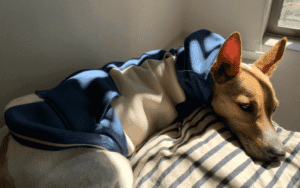
Recovery suits—fabric bodysuits that cover the torso—have become increasingly popular as an alternative to collars for post-surgical abdominal care. Rather than preventing licking by limiting neck movement, they simply cover the incision site entirely. Dogs can eat, drink, sleep, and move around with very little restriction, which helps keep stress levels low.
Fit is critical. A suit that is too loose can be pulled off or bunched up, allowing a determined dog to reach their stitches. Measure your dog carefully according to the manufacturer’s sizing chart, paying close attention to chest circumference and body length. Check the skin under the suit at least once a day for any signs of irritation, moisture buildup, or redness.
One important caveat: recovery suits are not a reliable option for dogs that are active chewers. A dog that will bite through fabric needs a hard barrier.
DIY Solutions: When They Help and When to Avoid Them
For very minor dermatological irritations like a small hot spot on the back, a clean, breathable cotton T-shirt can provide some protection in a pinch. Make sure the fabric is snug enough to stay in place but not tight enough to restrict movement or breathing, and supervise your dog closely to ensure they are not chewing the fabric.
“The biggest risk with homemade solutions is a false sense of security. If your dog can reach the wound, the barrier is more harmful than helpful by delaying proper treatment.”
For any surgical incision, deeper wound, or rapidly spreading skin condition, homemade barriers are not a substitute for professional-grade equipment. A dog determined to reach a wound will generally find a way through or around makeshift solutions, and the delay in recognising this can turn a manageable problem into a veterinary emergency.
Choosing the Right Collar for Your Dog’s Breed and Injury
Getting the Measurements Right
An improperly sized collar is either useless or harmful, so take the time to measure carefully. For any collar type, measure the circumference of your dog’s neck where their regular collar normally sits. You should be able to fit two fingers comfortably between the tape and the skin—snug enough to stay on, but not so tight that it causes pressure or restricts breathing.
For a traditional cone, also measure the distance from the base of the neck to the tip of the nose. The cone should extend one to two inches past the nose to prevent your dog from reaching around to the wound. If you are in doubt between sizes, sizing up and securing it snugly at the neck is usually the safer choice.
Matching the Collar Type to the Injury
- Wounds on the paws, lower legs, or tail: The traditional rigid cone is typically the most reliable option. Inflatable collars and soft collars generally cannot prevent access to these areas.
- Abdominal or chest incisions: A recovery suit or soft collar is often the most comfortable choice, provided the dog is not a chewer.
- Hot spots on the back or torso: A recovery suit or a T-shirt can work well for mild cases; a soft collar is a good middle ground.
- Eye or ear conditions: An inflatable or soft cone that prevents pawing without tunnelling vision is often preferred.
Managing Daily Life During Recovery
Feeding and Drinking
Mealtime is one of the most common frustration points. For dogs wearing a rigid cone, elevating food and water bowls by a few inches, so the rim of the cone clears the ground, makes a significant difference. Switching from a deep bowl to a shallow, wide plate also helps. If your dog is really struggling, you can remove the cone for supervised mealtimes, but put it back on immediately when they finish eating.
Exercise and Play
Recovery requires rest, but mental stimulation matters too. Short, calm leash walks are generally fine and help reduce restlessness. Avoid roughhousing, tug-of-war, jumping, and any activity that could stress the incision site.
Puzzle feeders and slow feeder bowls are excellent low-energy ways to keep your dog’s brain engaged without physical strain. After any activity, check the incision site to make sure it remains clean and undisturbed.
Creating a Calm Environment
A quiet, consistent environment supports healing as much as any physical barrier. Keep routines stable, limit visitors, and give your dog a cosy, low-traffic space they can retreat to. Baby gates can be useful for sectioning off a peaceful corner of the house. Your steady, calm presence is genuinely therapeutic—dogs are highly attuned to their owners’ emotional states, and your relaxed energy communicates that everything is okay.
When to Call Your Veterinarian
Some level of restlessness and frustration is normal during recovery, but certain signs warrant a phone call to your vet.
Signs of Excessive Distress
- Refusal to eat or drink for more than 24 hours
- Constant panting, shaking, or an inability to settle
- Aggressive attempts to remove the collar that risk self-injury
- Complete withdrawal or extreme lethargy beyond the expected post-anaesthesia period
If your dog is experiencing severe anxiety, your vet may be able to suggest a different collar style, recommend calming supplements, or, in some cases, prescribe short-term anxiety medication to help them through the recovery period.
Signs of Collar-Related Skin Irritation
Check the skin under the collar at least twice daily. Redness, hair loss, raw patches, or sores are signs that the collar is rubbing or retaining too much moisture. Report any of these findings to your vet promptly—they may recommend switching to a different style, using a thin layer of padding, or applying a soothing topical treatment.
Recovery is rarely fun, but it does not have to be miserable—for your dog or for you. The cone of shame has earned its reputation for being awkward and uncomfortable, but it exists because keeping dogs from interfering with their own healing is genuinely important. With the right collar for the injury, a few practical adjustments at home, and a lot of patience and positive reinforcement, most dogs sail through recovery better than their owners expect.
Frequently Asked Questions
Even minor incisions are vulnerable to infection in the early days of healing. Dogs lick instinctively and often do so while their owners are asleep or out of the room. The cone removes that risk entirely during the most critical healing window, typically the first seven to fourteen days.
You can remove the cone for short, fully supervised periods—such as mealtimes or brief outdoor bathroom breaks—as long as you are watching your dog continuously and replace the cone immediately after. Never leave a dog unsupervised without their protective collar during recovery, even for a few minutes.
Use the two-finger rule at the neck: you should be able to slide two fingers between the collar and your dog’s skin. The cone should also extend one to two inches past the tip of your dog’s nose so they cannot reach around it. If it is too loose, your dog will pull it off; if it is too tight, it can cause breathing difficulty and skin irritation.
For abdominal or torso incisions in dogs that are not aggressive chewers, yes—recovery suits are an excellent alternative that most dogs tolerate far better than a collar. However, they are not appropriate for paw or leg injuries, and any dog that bites or chews fabric will need a hard collar instead.
Call your vet if your dog refuses food or water for more than 24 hours, is showing signs of extreme anxiety (constant panting, shaking, inability to settle), is injuring themselves trying to remove the collar, or if you notice redness, sores, or hair loss under the collar. There is almost always a solution—do not hesitate to reach out.
Medical & Behavioural Disclaimer
The information provided in this post is for educational and informational purposes only and is not intended as a substitute for professional veterinary advice, diagnosis, or treatment. While I strive to share accurate and up-to-date guidance on pet care, every dog is unique, and individual needs may vary.
Always consult a qualified veterinarian or certified animal behaviourist regarding any concerns about your dog’s health, behaviour, or wellbeing. Never disregard professional advice or delay seeking it based on information found here.