Key Takeaways
- dogs need structured outlets to sniff, chew, learn, and problem-solve to prevent chronic boredom, anxiety, and behavioral issues.
- A balanced routine rotates through Cognitive, Sensory, Physical, Social, and Food-Based enrichment rather than relying on a single activity or expensive gear.
- Use daily meals. Replace standard bowl feeding with snuffle mats, scatter feeding, or DIY towel puzzles to turn everyday routines into mental workouts.
Dogs need more than food, water, shelter, and a daily walk to thrive. They are intelligent, curious animals with instincts to sniff, search, chew, explore, learn, play, and interact with others. Enrichment provides safe opportunities for them to use these instincts and engage their minds and bodies.
Keeping your dog mentally stimulated does not mean filling every hour with activities. It means adding variety and giving your dog meaningful things to do throughout the day. A balanced enrichment routine can include problem-solving, new sensory experiences, movement, social interaction, and more engaging ways to eat.
Why your dogs need mental stimulation
Dogs have essential cognitive needs that must be met for them to lead fulfilling, stress-free lives. Because most dogs today no longer perform the jobs for which they were originally bred, such as herding, guarding, or tracking, they often lack a natural outlet for their intelligence and instincts. Keeping them mentally stimulated and meeting these needs is just as important as providing food and physical exercise.
Five pillars that keep your dog mentally stimulated
While these pillars provide a strong framework, the best results come from tailoring activities to your dog’s unique needs based on their breed, age, and personality.
Here are the five main pillars of canine enrichment and simple ways to include each one in your dog’s routine.
Cognitive Enrichment
Cognitive enrichment challenges your dog’s brain through learning, problem-solving, and decision-making. This is particularly useful for dogs that enjoy figuring things out and can be as simple as a short training session or a game of hide-and-seek.
Try these activities:
- Puzzle toys: Let your dog work out how to move, lift, slide, or manipulate parts of a toy to access a reward.
- Short training sessions: Teach a new cue, practise existing commands, or work on tricks for five to ten minutes.
- Hide-and-seek: Hide yourself, a favourite toy, or treats and encourage your dog to find them.
- DIY puzzles: Roll kibble into a towel, hide treats in a cardboard box filled with scrunched paper, or try a muffin tin game.
- Toy rotation: Put some toys away and swap them every few days or weekly to bring back novelty.
The goal is to make your dog think without making the activity frustrating. Start with something easy and gradually increase the difficulty as your dog learns.
Sensory Enrichment
Dogs experience much of the world through their noses, so sensory enrichment should be a regular part of their routine. New smells, textures, sounds, and environments can give your dog something interesting to investigate.
Try these activities:
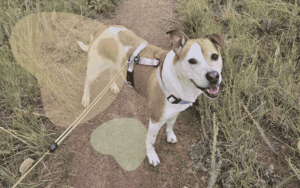
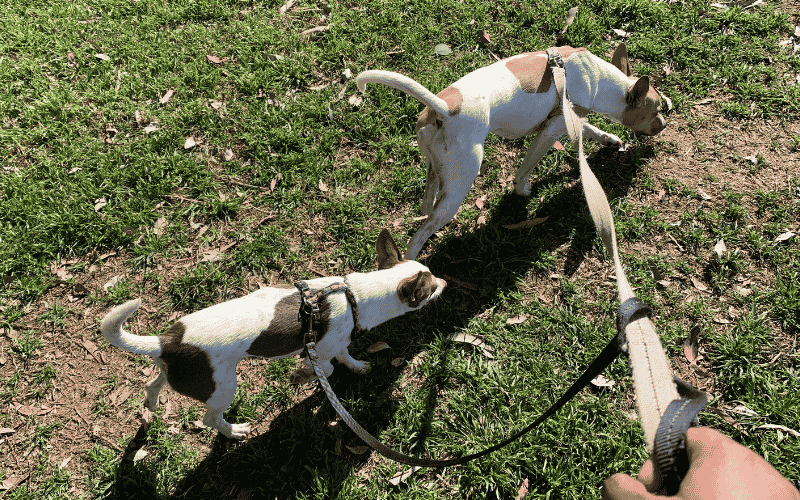
- Sniff walks: Slow down and give your dog time to stop and sniff rather than rushing through the walk.
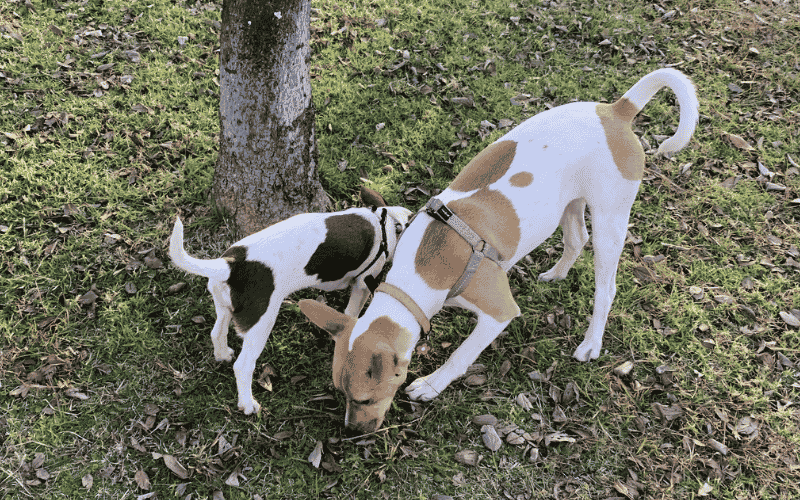
- New walking routes: Explore different neighbourhoods, parks, trails, or safe environments.
- Scent games: Hide treats or a favourite toy around the house or garden and encourage your dog to search.
- Different textures: Give your dog safe opportunities to walk on grass, sand, leaves, or other surfaces.
- Dog-safe scents: Create opportunities to investigate safe plants and herbs, while ensuring anything within reach is suitable for dogs.
You do not need to turn every walk into a training session. Sometimes, allowing your dog to follow their nose and explore at their own pace is enrichment in itself.
Physical Enrichment
Physical enrichment goes beyond simply tiring your dog out. It combines movement with novelty, exploration, coordination, and play.
The right activity will depend on your dog’s age, health, physical ability, and individual preferences. A young, energetic working breed may enjoy a challenging obstacle course, while an older dog may prefer a gentle walk with plenty of opportunities to sniff.
Try these activities:
- Fetch or flirt pole games
- Tug games
- Simple agility courses using tunnels, jumps, or safe household objects
- Obstacle courses that encourage your dog to step over, around, or through objects
- Exploring new trails or terrain
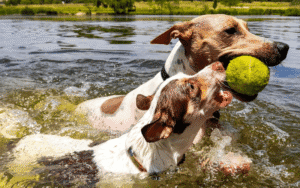
- Swimming or supervised water play, where suitable
Structured play can also combine physical and cognitive enrichment. For example, ask your dog to sit, wait, or drop the toy during a game of fetch or tug.
Always adjust physical activities to your dog’s individual needs. Enrichment should build confidence and provide an enjoyable challenge, not push your dog beyond their limits.
Social Enrichment
Social enrichment involves positive interaction with people and, for dogs that enjoy it, other dogs.
Not every dog wants to play with unfamiliar dogs, and forcing social interaction is not enrichment if your dog feels uncomfortable or overwhelmed. The important thing is to consider what your individual dog enjoys.
Try these activities:
- Playdates with compatible, familiar dogs
- Group training classes
- Walks with other dogs, where appropriate
- One-on-one playtime
- Training together
- Grooming and handling sessions
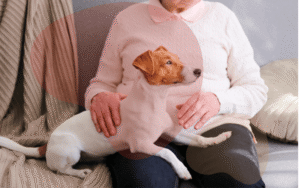
- Quiet bonding time, such as relaxing together
For some dogs, their favourite form of social enrichment may simply be undivided time with you. A training session, game of tug, or calm grooming session can strengthen your bond while giving your dog positive interaction and attention.
Food-Based Enrichment
Food-based enrichment is one of the easiest ways to add mental stimulation to your dog’s day. Instead of eating every meal from a bowl in a few seconds, your dog can use their nose, paws, mouth, and problem-solving skills to access their food.
Food enrichment can include commercially made toys or simple activities using things you already have at home. The key is to use your dog’s normal food allowance where possible rather than continually adding extra treats.
Try these activities:
- Scatter feeding: Scatter kibble around a safe area of your home or garden and let your dog forage.
- Snuffle mats: Hide food between the folds and encourage your dog to sniff it out.
- Lick mats: Spread a suitable food across the textured surface.
- Puzzle feeders: Use feeders that require your dog to move parts or navigate compartments.
- Stuffed rubber toys: Fill with suitable food and, where appropriate, chill or freeze to make the activity last longer.
- Food scavenger hunts: Hide portions of your dog’s meal around the house or garden.
- DIY enrichment: Use a rolled towel, cardboard box, muffin tin, or other safe household items to create a simple challenge.
I often find that the easiest way to make enrichment part of everyday life is to use meals rather than treating enrichment as another task on the to-do list. A portion of breakfast can become a garden scavenger hunt, while dinner might go into a puzzle feeder or snuffle mat.
How to Create a Balanced Enrichment Routine
You do not need to do all five types of enrichment every day. Variety is more important than creating an exhausting schedule.
A typical day might include:
- A sniff-focused morning walk for sensory enrichment
- A five-minute training session for cognitive enrichment
- A game of tug or fetch for physical enrichment
- Time playing or relaxing with you for social enrichment
- Dinner served in a snuffle mat or puzzle feeder for food-based enrichment
Pay attention to your dog’s response and adjust accordingly. If they seem confused or frustrated, make the activity easier. If they lose interest, try something different. Every dog has different preferences, abilities, and energy levels, so enrichment should be tailored to the individual.
Safety also matters. Choose activities that are appropriately sized for your dog, avoid materials they could swallow, and supervise them with new or homemade enrichment. Consider their age, health, physical limitations, and dietary needs when deciding what to offer.
Keeping your dog mentally stimulated does not require expensive equipment or hours of planning. Some of the most effective activities involve food, toys, training, sniffing, movement, and spending quality time together.
Rotate these activities across the five pillars—cognitive, sensory, physical, social, and food-based enrichment—to create a routine that gives your dog regular opportunities to think, explore, move, connect, and express their natural behaviours.
The best enrichment is ultimately the kind your dog enjoys. Start simple, pay attention to what excites and engages them, and build from there.