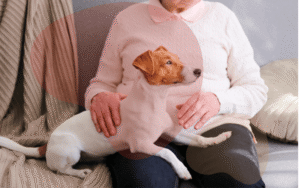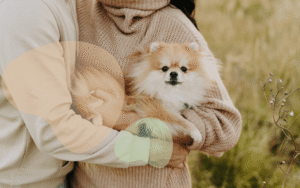
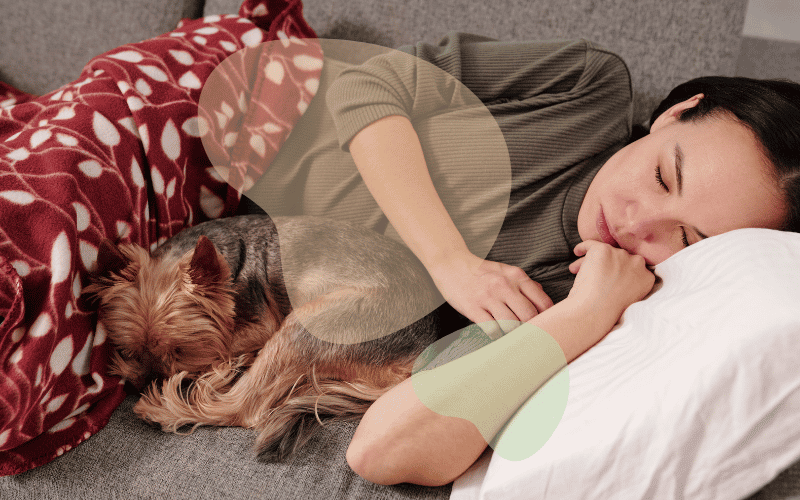
If your dog sleeps pressed against you, chances are they feel safe, comfortable, and deeply connected to you. You’ve just settled into bed, finally have the blankets arranged the way you like them, and then—thump. Your dog has claimed the spot directly against your legs, back, or ribs. There’s an entire mattress available, but they’ve chosen to wedge themselves right up against you.
While it can feel like you’re sharing a bed with a furry weighted blanket, this behaviour is a natural mix of canine instinct, affection, and habit.
Key Takeaways
- Sleeping close shows your dog feels safe with you.
- Your body heat and familiar bedtime routines make cuddling appealing.
- Sleeping against you is about comfort and bonding, not “alpha” status.
- Sudden clinginess can signal stress, pain or illness.
- Use comfort, consistency and positive reinforcement to encourage their own
The Instinct Behind the Cuddles
Dogs are social sleepers by nature. Long before they were curled up on our couches, their wild ancestors slept in groups—huddled together for warmth, protection, and group security. Sleep is a vulnerable state for any animal, and sleeping close to trusted companions ensured that someone was always nearby to sense danger.
That instinct didn’t disappear when dogs became domesticated; it simply shifted to you. When your dog presses against you at night, they are acting on a deep-seated need to rest near their social group. Your scent, breathing, and heartbeat all signal safety, helping their nervous system relax enough to settle down.
Debunking the “Pack Leader” or Dominance Myth
You might have heard outdated training advice claiming that a dog sleeping pressed against you is trying to assert dominance or claim “alpha” status over the household. The latest canine behavioural science has thoroughly debunked this idea. Your dog isn’t staging a bedroom takeover—they are simply choosing a spot that offers maximum comfort, warmth, and emotional security.
Practical Reasons Your Dog Scoots Close
While instinct plays a huge role, there are several everyday reasons why your dog chooses to press against you instead of sleeping in their own bed:
1. Seeking Body Heat
Sometimes the answer is pure physics: you are warm. Puppies naturally sleep piled against their mother and littermates for thermoregulation, and many adult dogs continue to seek out that same physical warmth. Small breeds, short-haired dogs, senior dogs, or any pup who gets chilly easily will actively look for the warmest spot in the room—which is often right up against your legs or torso.
2. Physical Comfort and Support
Your body provides a comfortable, soft surface to lean against. Some dogs like the feeling of having their back supported by your legs, while others enjoy curling neatly into the bend behind your knees. After a long day of walking, playing, and sniffing, pressing against you helps them physically switch off.
3. Rewarded Attention and Habits
Dogs are creatures of habit and fast learners. If pressing against your legs in the past resulted in a cuddle, a scratch behind the ears, or a sleepy conversation, your dog learned that physical closeness brings a rewarding reaction. Over time, this becomes part of a predictable nightly routine: you get into bed, your dog finds their favourite spot against you, and everyone settles down.
4. Your Familiar Scent
Dogs experience the world primarily through their powerful sense of smell. Your unique scent is directly associated with safety, home, and comfort. Being close to your skin, clothing, or bedding gives them a continuous sense of reassurance throughout the night.
What Your Dog’s Sleeping Position Says
A dog’s sleeping position and physical contact can tell you a lot about their current mood, comfort level, and temperature:
- Side Sleeper: Relaxed, comfortable, and at an ideal body temperature.
- Lion’s Pose (paws tucked, head resting on paws): Dozing lightly and ready to spring into action if needed.
- Superman (belly flat, legs stretched out front and back): Tired out from play, common in puppies and high-energy dogs.
- Doughnut (curled tight in a ball): Conserving body heat and protecting vital organs; common when feeling cool or adjusting to a new environment.
- Belly-Up (exposed tummy): The ultimate sign of trust and relaxation, as it leaves their most vulnerable area completely exposed.
- The Burrower (under blankets or wedged close): Seeking extra warmth, security, and quiet dark spaces.
Other Ways Dogs Show Affection Without Cuddling
Not every dog is a full-time snuggler, and some prefer sleeping on a cool patch of floor or their own dog bed. If your dog prefers a little breathing room, don’t take it personally. Dogs also express love and trust by:
- Making soft, relaxed eye contact
- Resting nearby in the same room without needing physical contact
- Following you quietly from room to room
- Resting their head on your feet or leaning gently against your legs while standing
- Greeting you enthusiastically when you return home
When Close Sleeping Signals an Underlying Issue
Sleeping pressed against you is normally a healthy, endearing behaviour. However, a sudden change in your dog’s sleeping style or level of clinginess deserves closer attention.
A dog that suddenly cannot settle unless they are in constant, intense physical contact may be experiencing stress, pain, or health changes. Watch out for additional red flags such as:
- Restlessness, pacing, or frequent waking during the night
- Excessive panting or whining
- Signs of separation anxiety (distress, barking, or destruction when you leave)
- Resource guarding (growling or showing aggression if someone approaches the bed)
- Sudden changes in appetite, mobility, or bathroom habits
If your dog’s clinginess is accompanied by physical symptoms or sudden behavioural shifts, schedule a check-up with your veterinarian to rule out medical discomfort or anxiety.
Health Benefits of Sleeping Near Your Dog
If you enjoy having your dog close at night, science is on your side. Sharing a sleeping space with a pet offers genuine physical and psychological benefits for humans:
- Lower Stress Levels: Physical contact with a dog releases oxytocin and lowers cortisol, helping reduce anxiety before sleep.
- Heart Health: Petting a dog lowers heart rate and blood pressure, creating a calming physiological state.
- Enhanced Security: Knowing your dog is close by provides peace of mind, allowing many people to fall asleep faster and feel safer at night.
- Emotional Comfort: The steady, quiet presence of a dog eases feelings of loneliness and promotes a sense of companionship.
How to Teach Your Dog to Sleep Independently
While sleeping together is lovely, it is not always practical. If your dog snores, shifts around, takes up too much mattress space, or interrupts your rest, you can set gentle boundaries without causing distress.
- Provide an Irresistible Bed
Choose a supportive dog bed suited to their size and sleeping style. Place it in a quiet spot close to your bed, and add an unwashed blanket or shirt that smells like you.
- Keep Bedtime Predictable
Establish a wind-down routine—such as a final evening walk, a brief play or sniffing session, and a bathroom break—to signal that it is time to sleep.
- Use Soothing Enrichment
Give your dog a safe chew toy or frozen treat mat on their bed before sleep. Licking and chewing naturally release calming hormones that help dogs wind down on their own.
- Reward Calm Independent Resting
Praise or gently reward your dog when they choose to settle in their own space.
- Move Gradually
If your dog is used to sleeping on your mattress, start by placing their dog bed right next to yours. Once they are confident sleeping there, you can gradually move the bed farther away over several days.
- Be Consistent and Patient
If your dog climbs onto the bed, calmly and quietly guide them back to their spot without making a fuss or getting angry. Consistency helps them learn that their bed is a safe, rewarding space.
When your dog sleeps pressed against you, they are offering a simple compliment: you are their safe place. It is a combination of group instinct, warmth, trust, and physical comfort. Whether your dog is a full-body cuddler or prefers resting at the foot of the bed, what matters most is that you both wake up feeling rested, comfortable, and connected.
Frequently Asked Questions
Yes, as long as both you and your dog are getting restful, uninterrupted sleep. It is a personal choice based on your lifestyle, comfort, and sleep quality.
Your legs and back offer large, stable surfaces for your dog to lean against without the risk of you moving suddenly in your sleep. These spots also trap a significant amount of warmth under the covers.
Not at all. Dog personalities vary widely. Some dogs simply overheat easily or prefer having their own defined sleeping space, while still feeling deeply attached to you.