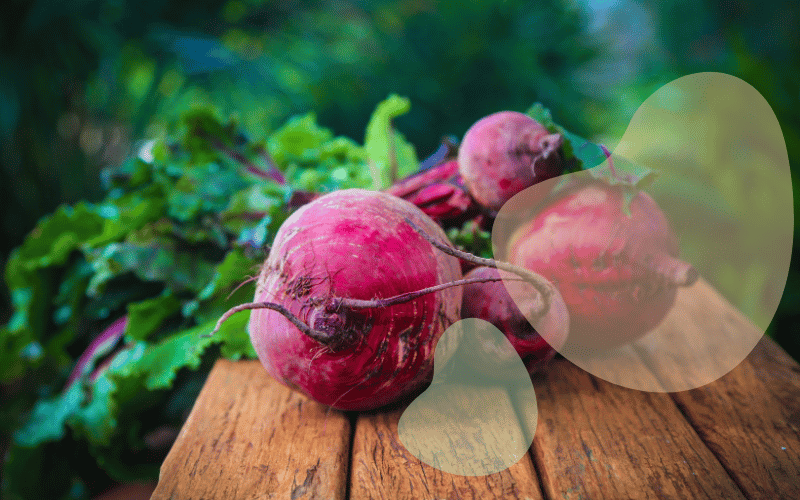
Beetroot has become a surprise favourite in our household. Like many dog owners who enjoy cooking with fresh produce, I started wondering whether it was safe to share some with my dogs.
The short answer is yes: most healthy dogs can eat beetroot in moderation. Beets are even used as an ingredient in some commercial dog foods. However, they are not suitable for every dog, and how you prepare and serve them matters.
This guide covers the potential benefits and risks of beetroot for dogs, along with the safest ways to prepare, portion and introduce it as an occasional treat.
Key Takeaways
- Plain, cooked beets are safe for most healthy dogs as an occasional treat.
- Serve plain, peeled, and cooked to prevent choking, digestive upset, and excess oxalates; avoid added salt, oil, or garlic.
- Do not feed to dogs with a history of kidney issues, bladder stones, or diabetes without veterinary approval.
- Offer small amounts based on dog size (1–2 teaspoons for small dogs; up to ¼ cup for large dogs) once or twice a week max.
- Don’t panic if urine or stool turns temporarily pink or red after eating beets.
Nutritional Benefits of Beetroot for Dogs
Beetroot is a nutrient-dense root vegetable containing fibre, vitamins, minerals and antioxidants. While it shouldn’t make up a significant part of your dog’s diet, it can add nutritional variety when fed in moderation.
Vitamins and Minerals
Beets contain several nutrients that play important roles in the body, including:
- Vitamin C, which supports normal immune function.
- Folate, which is involved in healthy cell and red blood cell production.
- Manganese, which supports metabolism and bone health.
- Potassium, which plays a role in normal muscle and nerve function.
Beet pulp is also commonly used in commercial dog foods, primarily as a source of dietary fibre.
Fibre and Digestive Health
Beetroot contains fibre, which can support healthy digestion and regular bowel movements. However, too much fibre at once can have the opposite effect.
Because beets are also naturally high in sugar, large portions may cause digestive upset, including gas, loose stools or vomiting. Start with a small amount and see how your dog responds before offering more.
Potential Health Benefits of Beetroot
When included as part of a balanced diet, beetroot may offer a few additional benefits.
Antioxidant Support
Beets are rich in betalains, the natural pigments responsible for their deep red colour. These compounds have antioxidant properties and may help protect cells from oxidative stress.
Some research has also explored the potential role of betalains in supporting liver health. However, beetroot should be viewed as a nutritious addition rather than a treatment for any health condition.
Circulation and Cardiovascular Support
Beets naturally contain dietary nitrates, which have been studied for their role in supporting blood flow and circulation. Most of this research has focused on humans, so it is important not to assume the same effects apply to dogs.
Still, beetroot’s nutrient profile can make it a useful occasional addition to a varied diet.
Skin and Coat Support
The vitamins and minerals found in beetroot contribute to overall health, including healthy skin and coat function. Any benefits are most likely to come from your dog’s overall balanced diet rather than beetroot alone.
Risks and Side Effects of Feeding Beetroot to Dogs
Although beetroot is generally safe for healthy dogs, there are a few situations where caution is needed.
Oxalates and Urinary Health
Beets contain oxalates, while the greens and stems contain even higher concentrations. Oxalates can be a concern for dogs prone to urinary crystals or certain types of bladder stones.
If your dog has a history of urinary crystals, bladder stones or kidney disease, speak to your veterinarian before adding beetroot to their diet.
The American Kennel Club also advises caution for dogs with conditions such as diabetes, osteoporosis or kidney problems because of beetroot’s natural sugar and oxalate content.
Red or Pink Urine and Stool
After eating beetroot, some dogs may develop a temporary pink or reddish tint in their urine or stool. This is caused by the natural pigments in beets and is sometimes referred to as beeturia.
The colour change is not necessarily a sign of bleeding, but it is still important to pay attention. If the discolouration continues for more than a day or two, or your dog appears uncomfortable or unwell, contact your veterinarian to rule out other causes.
Digestive Upset and Choking
Raw beetroot is dense and can be difficult for dogs to chew, particularly smaller dogs or dogs that tend to gulp their food. Large pieces can also pose a choking hazard.
Too much beetroot can cause digestive upset because of its fibre and natural sugar content. Cooking the beetroot until soft, cutting it into appropriate pieces and introducing it gradually can help reduce these risks.
Allergic Reactions
Although uncommon, dogs can be allergic or sensitive to almost any food, including beetroot.
When introducing it, watch for signs such as:
- Itching or hives
- Facial swelling
- Vomiting
- Diarrhoea
Stop feeding beetroot if you notice a reaction and contact your veterinarian, especially if the symptoms are severe.
How to Prepare Beetroot Safely for Dogs
Choose Cooked Beetroot Over Raw
Dogs can technically eat raw beetroot, but cooked beetroot is generally easier to chew and digest.
Steaming or boiling the beetroot until tender is a simple option. Once soft, peel it and mash it or cut it into small, manageable pieces.
If you choose to offer raw beetroot, grate or shred it finely rather than giving your dog large chunks.
Serve It Plain
Beetroot should be served without salt, butter, oils or seasonings.
Avoid prepared beetroot dishes and check canned or packaged products carefully, as they may contain added salt, sugar or other ingredients.
Onions and garlic, including onion and garlic powder, are toxic to dogs and should never be added.
If your dog prefers softer food, simply add a little water or mash the cooked beetroot before serving.
Remove the Greens and Stems
Stick to the beetroot itself and remove the greens and stems before preparation. These parts contain higher levels of oxalates and are best avoided.
Wash and peel the root before cooking and serving.
How Much Beetroot Can Dogs Eat?
Beetroot should be an occasional treat, with portions adjusted according to your dog’s size and individual tolerance.
Portion Guide by Dog Size
Small dogs: 1–2 teaspoons of cooked, mashed or finely chopped beetroot.
Medium dogs: 1–2 tablespoons of cooked beetroot.
Large dogs: Up to approximately ¼ cup of cooked beetroot.
These amounts are general guidelines. Start with less when introducing beetroot and increase only if your dog tolerates it well.
How Often Can Dogs Eat Beetroot?
For most healthy dogs, beetroot is best offered occasionally rather than every day. Once or twice a week can be a reasonable starting point, provided your dog’s overall diet and calorie intake remain balanced.
Like other treats and extras, beetroot should make up only a small portion of your dog’s daily food intake. Most of their nutrition should continue to come from a complete and balanced dog food.
What Other Vegetables Can Dogs Eat?
Incorporating vegetables into your dog’s diet can provide essential nutrients and health benefits. Here are some dog-friendly vegetables to consider:
As with beetroot, preparation matters. Serve vegetables plain and avoid adding salt, butter, oil, sugar, or seasonings unless your veterinarian has specifically recommended otherwise.
Beetroot can be a colourful and nutritious way to add variety to your dog’s diet. It provides fibre, antioxidants, vitamins and minerals, but moderation and preparation are important.
If your dog has a history of urinary, kidney or metabolic health issues, speak to your veterinarian before adding beetroot to their diet. For healthy dogs, however, a little plain beetroot can be a simple occasional treat and another way to add variety to their routine.