Dogs experience the world very differently from us. While we tend to rely heavily on sight, dogs gather much of their information through smell, sound, touch, taste and movement. Sensory enrichment gives them opportunities to use these senses in safe and meaningful ways.
You are probably already providing some sensory enrichment without realising it. A walk through a new neighbourhood, time spent sniffing in the garden, a frozen treat or a new surface under their paws can all offer something different for your dog to investigate.
Sensory enrichment does not need to be expensive or complicated. The goal is simply to add variety to your dog’s environment and give them opportunities to explore at their own pace. Research and observations in shelters have also found that different sounds and scents can influence dogs’ activity, resting and vocalisation.
What Is Sensory Enrichment?
Sensory enrichment involves stimulating one or more of your dog’s senses:
- Smell (Olfactory)
- Hearing (Auditory)
- Sight (Visual)
- Touch (Tactile)
- Taste (Gustatory)
It can be as simple as allowing your dog extra time to sniff on a walk or scattering part of their dinner in the grass. More structured activities, such as scent trails, digging boxes and sensory gardens, can add even more variety.
The most important part is paying attention to your individual dog. One dog may love splashing in water, while another avoids it. Some enjoy watching birds from the window, while others become frustrated and bark. Enrichment should be enjoyable, not overwhelming.
Why Sensory Enrichment Matters
Dogs were not designed to spend their days eating from a bowl, sleeping and waiting for the next walk. They have natural behaviours that involve investigating, tracking, chewing, digging, searching and exploring.
Sensory activities give dogs appropriate outlets for these behaviours. They can also help break up a predictable routine, particularly for dogs spending long periods indoors.
New experiences can also help some dogs become more comfortable with unfamiliar environments, sounds and surfaces when introduced gradually and at a level they can handle. The ASPCA’s Behavioural Rehabilitation Center, for example, uses sensory gardens to give fearful dogs opportunities to investigate new sights, smells, textures and obstacles in a safe environment.
Olfactory Enrichment: Let Your Dog Use Their Nose
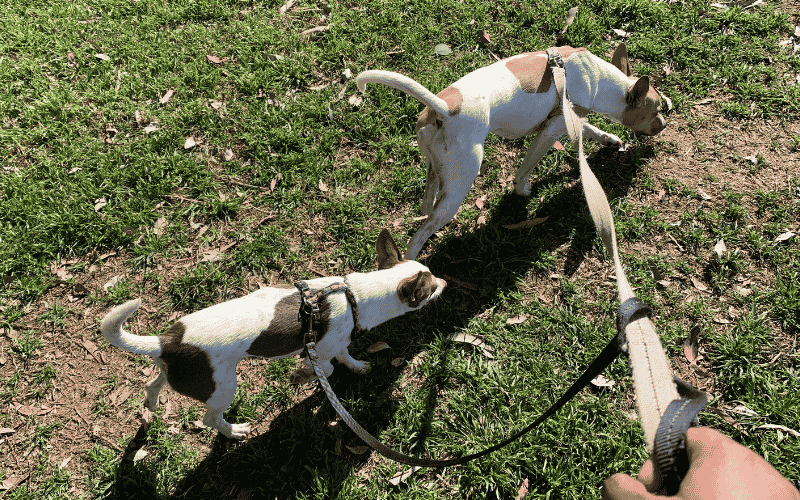
For most dogs, smell is one of the most important ways they explore the world. A walk is not just about physical exercise; every tree, patch of grass and lamp post contains information left behind by people and other animals.
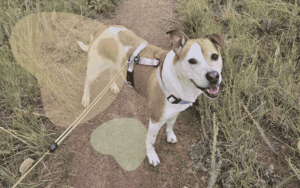
Take Sniff Walks
You do not need to turn every walk into a structured training session. When it is safe to do so, give your dog time to stop and sniff.
Try changing your usual route occasionally or visiting a new park, trail or quiet neighbourhood. Even familiar places smell different over time.
You can also dedicate part of a walk to your dog’s choices. Let them choose which direction to explore, provided it is safe. This gives them more control over the experience and allows them to investigate at their own pace.
Create Scent Trails
Use small pieces of your dog’s regular food or a favourite treat to create a simple trail around the house or garden.
Start by placing the pieces close together so your dog understands the game. As they improve, increase the distance or add turns and hiding places.
Scatter Feed
Instead of putting every meal in a bowl, occasionally scatter part of your dog’s kibble across the garden, grass or a safe indoor area.
The goal is to encourage searching rather than simply eating. You can also hide food among leaves, in cardboard boxes or inside a snuffle mat.
Try a Snuffle Mat or Box Hunt
Snuffle mats encourage dogs to search through fabric for hidden food. For a simple DIY version, hide kibble or treats in a cardboard box filled with safe paper or other dog-safe materials.
Always supervise your dog, especially if they are likely to chew or swallow the material.
Introduce New Safe Scents
Dogs can also investigate new smells from plants and objects. A sensory garden or a small area with dog-safe herbs can offer something new to explore.
Research with kennelled dogs found that different scents produced different behavioural responses. Lavender and chamomile were associated with less vocalisation and more resting, while peppermint and rosemary were associated with increased activity and barking. Other scents, including vanilla, coconut, ginger and valerian, were also linked with reduced activity and vocalisation in the studies discussed in the source material.
However, avoid simply applying essential oils directly to your dog or leaving concentrated products within reach. If you use scents, introduce them carefully and make sure your dog can move away if they are not interested.
Auditory Enrichment: Using Sound to Balance Energy
Dogs hear sounds that we may barely notice, so auditory enrichment should be used thoughtfully.
Some dogs may enjoy quiet background sounds during rest periods. Research cited in the source material found that classical music, certain other music genres and audiobooks were associated with increased resting and reduced stress-related behaviour in kennelled dogs, while heavy metal was associated with increased barking and nervous body shaking.
You could try:
- Quiet classical music
- Nature sounds
- An audiobook
- Different types of calm music
Keep the volume low and watch your dog’s response. A dog who moves away, becomes restless or appears stressed is telling you the sound is not enjoyable.
Interactive toys with squeakers or other sounds can also provide auditory stimulation, although some dogs become overstimulated by them. Again, your dog’s response matters more than the toy itself.
Visual Enrichment: Give Your Dog Something New to Watch
Dogs may not see the world in the same way we do, but movement can be particularly interesting to them.
Visual enrichment might include:
- Visiting a quiet park where your dog can observe the surroundings
- Sitting outside at a calm café or other dog-friendly location
- Watching birds, squirrels or other wildlife from a safe distance
- Providing a comfortable window where your dog can observe outdoor activity
- Using moving toys during supervised play
Not every dog enjoys window watching. If your dog becomes frustrated, barks excessively or cannot settle, choose another activity instead.
Research on television as visual enrichment found that dogs did look at moving images, but they also appeared to lose interest quickly. The source material therefore suggests that television may be less useful than auditory or scent-based enrichment for dogs.
Tactile Enrichment: Explore Different Textures
Tactile enrichment allows dogs to experience different surfaces and sensations.
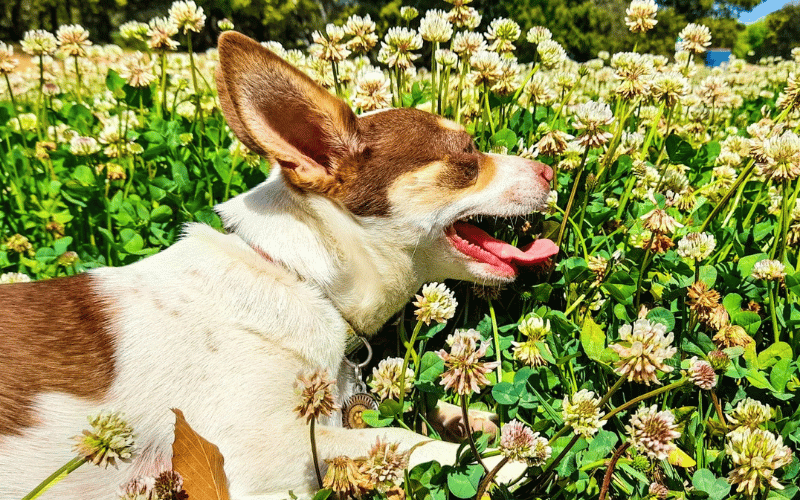
On walks, your dog may naturally encounter grass, sand, leaves, gravel and other surfaces. You can also provide variety at home with:
- Rubber mats
- Carpet samples
- Artificial grass
- Sand or a digging area
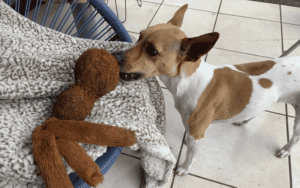
- Plush and textured toys
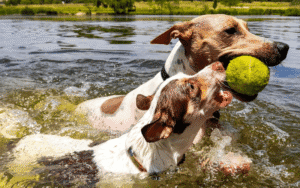
- Shallow water play for dogs who enjoy it
Let your dog investigate unfamiliar surfaces voluntarily. Do not force them onto something they find frightening.
Create a Digging Area
For dogs who love digging, a designated digging box or sandpit can provide an appropriate outlet while saving the rest of your garden.
You can bury a toy or a few treats in the sand to encourage the game. Some dogs prefer sand, while others enjoy loose soil or other safe digging materials.
Offer Massage and Gentle Touch
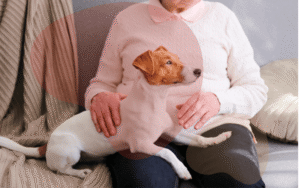
Touch enrichment does not have to involve equipment. Some dogs enjoy gentle massage, ear rubs or slow strokes along their back and shoulders.
Follow your dog’s cues. Move away if they do, and allow them to choose whether they want physical contact. Dogs should not be expected to tolerate touching simply because we want to cuddle them.
Gustatory Enrichment: Add Variety Beyond the Bowl
Taste enrichment can be combined with scent, touch and problem-solving.
Try:
- Frozen dog-safe treats
- Lick mats
- Food puzzles
- Different safe fruits and vegetables
- Stuffed enrichment toys
- Appropriate chews
You do not need to add large amounts of extra food. Use part of your dog’s daily meals when possible, particularly when using puzzles, scatter feeding or snuffle mats.
Frozen treats and lick mats can also make food last longer. Always check ingredients before sharing human foods, and avoid toxic ingredients such as xylitol.
Build a Sensory Garden
If you have outdoor space, a sensory garden can bring several forms of enrichment together.
The ASPCA’s sensory garden includes different plants, scents, textures and obstacles, giving dogs opportunities to sniff, investigate and move through new environments. The garden is also changed seasonally to maintain variety.
Your version does not need to be elaborate. You could include:
- Dog-safe plants and herbs
- Different ground surfaces
- A digging area
- Safe obstacles to walk over or around
- Shaded resting spots
- A shallow water area for dogs who enjoy water
Always check that every plant and material is safe for dogs before introducing it.
Keep Sensory Enrichment Safe
As with any enrichment activity:
- Supervise your dog when necessary.
- Choose toys and materials that are appropriate for their size and chewing habits.
- Introduce new experiences gradually.
- Allow your dog to move away or opt out.
- Watch for signs of stress or overstimulation.
- Remove damaged toys and materials.
- Clean enrichment items regularly.
- Adapt activities to your dog’s age, physical ability and preferences.
The best enrichment is not necessarily the most complicated activity. A five-minute sniff around a new patch of grass may be far more interesting to your dog than an expensive toy they ignore.
Make Sensory Enrichment Part of Daily Life
You do not need a separate enrichment activity for every sense every day. Rotate different experiences throughout the week and keep sessions short.
One day, scatter part of breakfast in the garden. Another day, take a slower walk with plenty of sniffing. Set up a cardboard box hunt when you are staying indoors or offer a frozen treat on a hot afternoon.
Pay attention to what your dog chooses to do. Do they return to the digging box? Do they spend ages searching for scattered food? Do they relax when a particular sound is playing?
Your dog will tell you what they enjoy.
Sensory enrichment is about giving dogs more opportunities to explore the world in ways that make sense to them. By adding variety to what they smell, hear, see, touch and taste, you can make everyday life more interesting without making your routine more complicated. Start small, keep it safe and let your dog’s preferences guide you.