The Home Gardens (Blog) is reader-supported. When you buy through links on this page, we may earn an affiliate commission at no additional cost to you.
Key Takeaways
- Sensory engagement is essential for a dog’s overall mental well-being.
- Simple home adjustments can significantly improve your dog’s daily happiness.
- Focusing on the five senses helps satisfy the instincts of dogs. Enrichment activities strengthen the emotional connection between you and your pet.
- Consistent sensory variety prevents boredom and reduces stress in modern pets.
You know that moment when you are sitting in the living room minding your business, and you happen to look over at your dog and they are casually sitting there in focus mode, staring out the window. If you take a closer look you’ll often see their ears twitching and nose flaring a tiny bit. That’s because they are fully taking in and experiencing their environment using their senses in a way we cannot even begin to imagine.
What is Sensory Stimulation for Dogs?
Our dogs mostly experience the world through smell, sound, and textures, with their sense of smell, their olfactory system, at the very top of their biological hierarchy.
Integrating Sensory Stimulation into their routine is a beautiful way to honour their instincts. Curate simple dog sensory activities to transform a mundane afternoon into an exciting adventure.
An intentional approach to dog enrichment will nurture their mental health and deepen the bond you share. It doesn’t need to involve expensive toys. Small, thoughtful changes in their surroundings can unlock a world of fun and curiosity.
How Dogs Perceive Their Environment
Our dogs interpret their environment through a sophisticated blend of biological instincts and learned behaviours. While we rely heavily on sight, they use a multidimensional approach to map out their territory. This unique perspective allows them to detect subtle changes in the air or ground that we might completely overlook.
When we focus on stimulating a our dog’s senses, we are essentially speaking their native language. To create an environment that feels natural and rewarding for them, we need to understand these biological predispositions.
The Hierarchy of Dog Senses
It is a common misconception that vision is the primary way dogs navigate the world. In reality, Dogs experience the world primarily through an extraordinary sense of smell and highly acute hearing. While we rely on vision, a dog’s reality is shaped by scent, with up to 300 million olfactory receptors compared to our 5 million, allowing them to detect subtle environmental changes and human emotions.
Their noses are capable of processing thousands of distinct scents, making scent-based activities a vital component of dog enrichment. While vision and hearing play supporting roles, the nose remains the primary tool for environmental navigation.
Providing dog sensory stimulation requires us to prioritise these instincts. When we balance these inputs, we ensure our dogs remain mentally sharp and emotionally satisfied. You can achieve this through scent games or auditory puzzles.
The Importance of Sensory Stimulation for Dogs
Engaging your dog’s senses supports their emotional stability. Provide them with consistent opportunities to explore their environment, to nurture their instincts and foster a deeper sense of security.
Mental Health Benefits and Stress Reduction
Providing appropriate outlets for natural behaviours can significantly reduce stress and anxiety in your dogs. When you allow your dog to sniff, forage, or solve problems, their brain releases feel-good chemicals that promote relaxation. Dog enrichment acts as a natural buffer against the pressures of modern living.
Incorporating daily enrichment activities will help your dog feel more confident and less reactive to sudden changes in their surroundings. A dog that is mentally engaged is a dog that is at peace with its environment, as the mind finds satisfaction in the work of discovery.
Preventing Boredom and Destructive Behaviours
Boredom often leads to unwanted habits, such as excessive barking or chewing on furniture. When your dog lacks a structured environment that challenges their mind, they will often create their own “fun,” which rarely aligns with our household rules.
Using sensory stimulation for dogs as a proactive solution helps channel that excess energy into productive outlets. This approach effectively prevents the frustration that manifests as household destruction.
| Enrichment Level | Primary Benefit | Example Activity |
|---|---|---|
| Low | Basic physical exercise | Standard leash walk |
| Moderate | Mental engagement | Scent-based games |
| High | Cognitive development | Complex puzzle solving |
Implementing regular dog enrichment is a simple way to ensure your dog remains happy and well-adjusted. Prioritise these dog enrichment activities to create a harmonious home where your dog feels both physically satisfied and mentally fulfilled.
Olfactory Enrichment
Dog sensory activities engage your pet’s strongest tool for cognitive development: their sense of smell. Encouraging this instinct to explore through scent provides deep mental fulfilment that physical exercise alone simply cannot replicate.
The Power of Scent Work Games
Scent work games are an excellent way to tire out a high-energy dog. When a dog uses its nose to solve a problem, it experiences intense mental exhaustion that leads to a calm and happy state. You can easily start these games by hiding high-value treats around a room and encouraging your dog to “find it.”
These activities mimic the natural hunting behaviours that are hardwired into your dog’s brain. Introducing scent work activities in a controlled way helps reduce anxiety and build confidence. It is a rewarding experience for both you and your dog to succeed at these tasks.
Using Snuffle Mats and Hidden Treats
Snuffle mats are a fantastic tool for encouraging natural foraging behaviours at home. These fabric mats have strips of felt that hide dry food or treats, encouraging your dog to sniff and nudge to find their reward. This process slows down fast eaters and provides a soothing, rhythmic activity that keeps them occupied for long periods.
You can also use puzzle feeders or simple cardboard boxes to hide treats. These enrichment activities are highly effective because they require your dog to use their brain to navigate obstacles. The satisfaction of “winning” a treat after a good sniff is a powerful motivator for any breed.
Tips for Scent Variety
To keep your dog’s interest piqued, you should rotate the scents and locations you use during play. Try using different types of treats, or even safe, aromatic herbs like dried lavender or rosemary, to keep the experience fresh. Variety is the key to ensuring your dog remains curious and engaged during every session. Always ensure that any new scent or item you introduce is non-toxic and safe for your pet. When you keep the challenges dynamic, you ensure that your dog’s nose stays sharp and their mind remains active. Consistent practice will turn these simple games into a highlight of your dog’s daily routine.
Auditory Dog Enrichment
Creating a calming auditory environment in your home can greatly support your pet’s emotional well-being. Thoughtfully stimulating your dog’s senses with soothing soundscapes, can turn a noisy, stressful space into a peaceful retreat. This simple approach can help regulate your dog’s mood while minimising the impact of external stressors.
Calming Music for Anxious Dogs
Many dogs find comfort in specific rhythmic patterns and low-frequency melodies. Playing classical compositions or specialised pet-friendly tracks can be incredibly soothing during high-stress events like thunderstorms or fireworks. These gentle sounds help drown out the sharp, unpredictable noises that often trigger fear.
stimulating dog’s senses
When you are engaging your dog’s senses with music, observe their body language to see what they prefer. Some dogs may relax instantly when they hear soft piano notes or harp music. Consistency is key, so try playing these tracks during quiet times to build a positive association with the sound.
White Noise and Environmental Sounds
Strategic use of white noise is another effective tool for maintaining a peaceful home. It works by masking sudden, disruptive external sounds that might otherwise trigger an alert response or unnecessary barking. This form of sensory enrichment for pets creates a consistent background layer that helps your dog feel more secure. You can use simple household fans, air purifiers, or dedicated sound machines to generate this steady hum. By softening the sharp edges of the outside world, you provide your dog with a sense of safety and predictability. This simple adjustment is a highly effective way to manage your dog’s daily stress levels.
Visual and Tactile Stimulation
Beyond scent and sound, your dog experiences the world through a rich tapestry of sights and textures. Incorporating dog sensory activities that focus on these elements helps create a well-rounded enrichment program. By diversifying the environment, you provide your pet with meaningful ways to interact with their surroundings.
Visual Games and Window Watching
Visual stimulation plays a role in keeping a dog mentally sharp. Simple activities like window watching allow your dog to observe the neighbourhood, which provides natural entertainment without the need for constant human interaction. To maintain a positive experience, ensure the view is not overly stimulating. If your dog becomes reactive or stressed by passing traffic, consider using frosted window film to limit their view while still allowing natural light to filter through.
Texture Exploration and Surface Variety
Tactile feedback is often an overlooked aspect of dog enrichment. Encouraging your dog to walk on, touch, or investigate different surfaces helps build confidence and physical awareness. You can easily integrate sensory play by creating a simple “texture path” in your living room or backyard. Try placing items like soft rugs, rubber mats, or even smooth wooden boards in a sequence. This variety challenges your dog to adjust their gait and balance, which is excellent for their coordination. Always supervise these sessions to ensure your pet feels comfortable and safe.
Safe Materials for Tactile Play
Safety must remain your top priority when engaging your dog’s senses through touch. Always select non-toxic, durable materials that can withstand chewing or scratching. Avoid items with small parts that could pose a choking hazard or materials treated with harsh chemicals. Natural materials like untreated sisal, cotton rope, or smooth river stones are often great choices for tactile exploration. Carefully curating these items, provides a stimulating and secure environment that supports your dog’s natural curiosity and development.
Interactive Toys and Games
Engaging your dog with the right tools can transform their playtime into a rewarding learning experience. Incorporating dog sensory activities into your daily routine, can help your pet stay mentally sharp and physically active. These tools are designed to tap into instincts while providing hours of healthy entertainment.
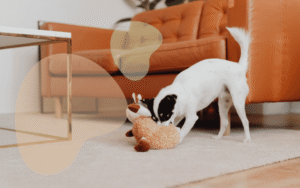
interactive dog toys
Choosing the Right Puzzle Feeders
Puzzle feeders are excellent interactive toys for dogs that encourage problem-solving skills. When selecting a feeder, consider your dog’s current skill level to avoid frustration. Beginners should start with simple sliding mechanisms, while advanced dogs may enjoy multi-step puzzles that require lifting or turning components.
Consistency is key when introducing these challenges to your pet. Start with easy tasks to build confidence before moving on to more complex designs. This approach ensures that your dog remains motivated and eager to participate in their daily enrichment sessions.
Engaging with Automated Sensory Toys
Automated devices provide a technological solution for sensory play for dogs, especially when you are busy or away from home. These toys often have unpredictable movement patterns and built-in sound effects that capture a dog’s attention. They mimic the erratic motion of prey, which helps satisfy a dog’s natural hunting drive in a safe, indoor setting.
Many of these devices are motion-activated, meaning they only engage when your dog interacts with them. This feature helps conserve battery life while ensuring the toy remains a novelty rather than a constant background noise. It is a perfect way to provide consistent stimulation throughout the day.
Safety Considerations for Interactive Play
Prioritising sensory enrichment means keeping safety at the forefront of every play session. Always inspect toys for loose parts or signs of wear that could pose a choking hazard. It is best to supervise your dog during their first few interactions with a new toy to ensure they understand how to use it properly.
| Toy Category | Primary Benefit | Best For | Difficulty Level |
|---|---|---|---|
| Puzzle Feeders | Mental Stimulation | Food-motivated dogs | Adjustable |
| Automated Toys | Physical Activity | High-energy breeds | Fixed/Random |
| Scent-based Toys | Olfactory Training | Curious explorers | Beginner |
Choose materials that are durable and non-toxic to ensure long-lasting, safe fun. By following these simple guidelines, you create a positive environment where your dog can thrive through play. Remember that the goal is to provide a fun challenge that leaves your dog feeling satisfied and calm.
Creating a Sensory-Friendly Home Environment
Creating a sensory-friendly home environment is the secret to keeping your dog engaged and content throughout the day. Intentionally organising your living space, provides your pet with the tools they need to explore their natural curiosity safely. This approach to canine enrichment transforms ordinary rooms into dynamic areas that support your dog’s mental and physical health.
Designing a Dedicated Enrichment Zone
Establishing a specific area for your pet allows them to focus on sensory play for dogs without the distractions of a busy household. This zone should be a quiet, comfortable space where your dog can retreat to rest or engage with their favourite items. You might include soft bedding, a variety of textures, and easy access to their interactive toys for dogs. Ensure this space is free from hazards and provides enough room for your dog to move around comfortably. By keeping this area consistent, you help your dog feel secure while they explore new scents or solve puzzles. It becomes a sanctuary where they can express their natural behaviours in a controlled and positive way.
Rotating Toys to Maintain Interest
One of the most effective ways to keep your dog excited is to implement a simple toy rotation system. When dogs have access to the same items every day, they often lose interest and become bored. By limiting the number of toys available at one time, you ensure that each item feels fresh and exciting when it is reintroduced. Consider keeping a bin of toys tucked away and swapping them out every few days. This strategy keeps canine enrichment fresh and encourages your dog to engage with their environment more deeply. You will notice that your pet approaches their interactive toys for dogs with renewed enthusiasm when they have not seen them for a while.
| Feature Standard | Living Area Dedicated | Enrichment Zone |
|---|---|---|
| Primary Purpose | General relaxation | Active mental stimulation |
| Toy Availability | All toys out at once | Rotated selection |
| Sensory Focus | Limited | High variety |
| Dog Engagement | Passive | Active and focused |
Your dog perceives the world through a complex lens of scents, sounds, and textures. Providing consistent sensory enrichment transforms a standard routine into a vibrant journey of discovery. Small changes yield significant results for your companion. You might start by introducing simple interactive toys during quiet afternoons. These tools challenge the mind and keep boredom at bay. Consistency remains the secret to a well-adjusted animal. Dedicating just a few minutes each day to structured enrichment activities for dogs builds confidence and deepens your unique bond. Observe how your pet reacts to new smells or sounds. Every dog has distinct preferences that guide their joy. Tailoring these experiences ensures your home remains a place of comfort and excitement. Begin your journey today with one small adjustment. Watch your dog thrive as you unlock their natural potential through intentional play and exploration.
FAQ
Why is sensory stimulation for dogs considered a necessity rather than a luxury?
Just like humans, dogs need mental exercise to stay healthy. Sensory stimulation for dogs taps into their instincts, such as foraging and tracking, which are often suppressed in a modern home environment. By providing canine enrichment, you are preventing the chronic boredom that leads to stress, anxiety, and destructive behaviours. Using high-quality tools like the KONG Classic or Nina Ottosson puzzle games ensures your dog stays mentally sharp and emotionally satisfied.
How can I start engaging my dog’s senses using their sense of smell?
Since a dog’s primary way of navigating the world is through their nose, olfactory games are the most effective dog sensory activities. You can start by using a PAW5 Snuffle Mat filled with high-value treats like Zuke’s Mini Naturals. This encourages natural foraging behaviour. For a more advanced challenge, try “find it” games where you hide treats around the house, engaging your dog’s senses and providing a rewarding mental workout.
What are the best interactive toys for dogs to prevent boredom?
Interactive toys for dogs come in many forms, but the best ones challenge their problem-solving skills. The Outward Hound Hide A Squirrel is a classic for visual and tactile play, while the StarMark Bob-A-Lot provides a physical and mental challenge during mealtime. These enrichment activities for dogs turn a simple meal into a game, keeping them occupied and preventing them from looking for “trouble” elsewhere in the house.
Can auditory sensory enrichment for pets really help with anxiety?
Absolutely. Sound plays a major role in a dog’s emotional state. Sensory enrichment for pets often involves using calming audio to mask stressful environmental triggers like thunderstorms or construction. Playing specialised music from Through a Dog’s Ear or using a LectroFan white noise machine can significantly lower a dog’s cortisol levels, making the home a much more peaceful sanctuary for anxious pups.
How do I create a dedicated space for stimulating my dog’s senses at home?
Designing an enrichment zone doesn’t require a lot of space. You can set up a corner with different textures, such as a soft Snoozer bed and a nubby LickiMat covered in peanut butter. To keep stimulating your dog’s senses effectively over time, remember to use a toy rotation system. By swapping out their ZippyPaws plushies and Chuckit! balls every few days, the environment stays “fresh” and exciting, which is key to long-term sensory play for dogs.
Are there any safety considerations for sensory play for dogs?
Safety is paramount when introducing new dog sensory activities. Always supervise your pet when they are playing with new interactive toys for dogs, especially those that can be chewed into small pieces. Ensure that materials are non-toxic and sized appropriately for your breed—for example, a small toy for a Chihuahua could be a choking hazard for a Golden Retriever. Brands like West Paw offer durable, non-toxic options that are specifically designed for safe, vigorous play.