The Home Gardens (Blog) is reader-supported. When you buy through links on this page, we may earn an affiliate commission at no additional cost to you.
Firstly, I am really sorry you wound up on this blog post because it can only mean one thing. You have an abscess crisis in your hands.
Key Takeaways
- Watch for signs such as scooting, excessive rear-end licking, or painful swelling near the anus.
- A suspected abscess is a medical emergency; timely lancing and antibiotics prevent the infection from spreading.
- Use warm compresses, keep the area clean, and strictly enforce the use of an Elizabethan collar (E-collar).
- Long-term management relies on a fibre-rich diet combined with healthy weight management and regular veterinary check-ups.
A dog anal gland abscess can develop suddenly and cause intense pain, leaving you worried and unsure of what to do. Acting quickly to get veterinary treatment ensures your dog’s comfort and prevents severe, systemic complications.
I remember the first time I faced this with Luna, it felt completely overwhelming. If you are going through this right now, know that you are not alone. With practical information and prompt veterinary action, your dog will be on the mend soon.
Here’s How it unfolded with Luna
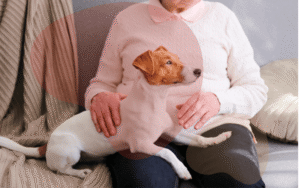
My five-year-old Jack Russell Terrier, Luna, taught me how easily everyday behaviours can mask a serious medical emergency. Sharing our story will help you spot the warning signs sooner than I did.
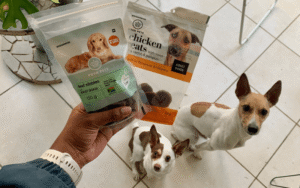
At first, I blamed Luna’s occasional scooting and rear licking on a dietary allergy to a new brand of treats. When the behaviour persisted, I assumed she might have intestinal parasites and considered over-the-counter deworming. In hindsight, that persistent dog scooting was a textbook early clue of anal sac impaction. I wish I had known that delaying care allows a simple blockage to rapidly transition into a severe infection.
The First Vet Visit
We rushed to see our vet after a distinct, painful swelling became impossible to ignore. The diagnosis was a severe, acute abscess of Luna’s left anal gland. Our vet required immediate sedation, lancing, and thorough flushing of the cavity to remove the trapped infection. Between the emergency consultation, sedation, procedure, and a battery of medications, the bill came to R8,698. It was a stressful expense, but seeing Luna experience immediate relief from the built-up pressure made it worth every cent, plus we have pet insurance which helped with some of the cost.
The Reality of Recurrent Abscesses
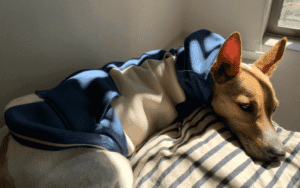
Luna improved dramatically over the next few days, and we breathed a sigh of relief. However, just two weeks after the wound healed, she began pacing uncomfortably and leaking a foul, blood-tinged fluid. A follow-up visit confirmed a second abscess—this time in her right anal gland.
According to veterinary literature, dogs who suffer from one anal gland issue are highly prone to recurrences if the underlying cause isn’t managed. Trust your instincts: if your dog seems “off” or guards their hindquarters after completing treatment, contact your vet immediately.
Understanding Dog Anal Glands
To protect your pup, it helps to understand the anatomy behind the behaviour.
[Tail Base]
|
(O) <– Anus
/ \
[O] [O] <– Anal Glands (Located at roughly 4 and 8 o’clock)
What Are Anal Glands?
Anal glands (technically called anal sacs) are two small pouches located just beneath the skin on either side of a dog’s anus, sitting at approximately the 4 o’clock and 8 o’clock positions.
- Function: These sacs produce a potent, oily, and distinctly “fishy-smelling” fluid secreted by internal sebaceous lining cells.
- Natural Expression: Under normal circumstances, when a dog passes a firm, well-formed stool, the faeces apply physical pressure to the sacs. This expresses a tiny amount of the fluid through narrow ducts directly into the anal canal.
- Purpose: For dogs, this fluid serves as a primary chemical ID card used for territory marking and canine socialisation.
While any dog can suffer from anal sac disease, small and toy breeds (such as Chihuahuas, Miniature Poodles, and Cocker Spaniels) are anatomically predisposed due to naturally narrower drainage ducts.
Why Abscesses Form
An anal gland abscess doesn’t happen overnight; it is the final stage of a progressive inflammatory cycle:
- Impaction: If a dog’s stool is consistently soft or chronic diarrhoea occurs, there isn’t enough physical pressure to empty the sacs. The fluid thickens, plugs the narrow exit duct, and becomes trapped.
- Sacculitis: The trapped fluid undergoes stasis, triggering painful inflammation of the lining cells, known as sacculitis.
- Abscessification: Trapped in a warm, dark environment, normal skin and faecal bacteria (Escherichia coli, Staphylococcus, and Streptococcus) rapidly multiply. The sac fills with a mixture of bacteria, white blood cells, and necrotic tissue—forming a highly painful, pressurised abscess.
- Rupture: If left untreated by a professional, the pressure builds until the wall of the sac ruptures through the surrounding skin, leaving an open, draining wound.
Recognising the Warning Signs
Because dogs instinctively hide localised pain, we must recognise behavioural changes and physical symptoms before a rupture occurs.
Behavioural Red Flags
- Persistent Scooting: Dragging the perineum across carpets, grass, or rough surfaces to relieve deep pressure or itching.
- Obsessive Grooming: Constant licking, biting, or chewing at the base of the tail or directly at the anus.
- Sudden Hindquarter Guarding: Whipping around, growling, or yelping if you touch their back legs or tail.
- Difficulty Posturing: Reluctance to sit, sitting crookedly onto one hip, or straining heavily while attempting to defecate (tenesmus).
Physical Indicators
- A firm, red, or purple bulge appearing on one or both sides of the anus.
- The skin over the swelling appears taut, shiny, or intensely warm to the touch.
- A sudden, overwhelming “rotting fish” odour, even if no fluid is visibly leaking.
- If ruptured: A distinct hole in the skin next to the anus, leaking a thick, yellowish-green pus mixed with blood.
When to Call the Vet (Urgent Emergency Signs)
Do not attempt a “wait and see” approach if you observe:
- An open wound or deep hole discharging fluid in the perianal area.
- A fever (canine rectal temperature over 39.5°C / 103°F).
- Severe lethargy, complete refusal to eat, or continuous trembling.
Professional Veterinary Treatment Options
An abscessed anal gland cannot be treated at home with natural remedies; it requires immediate medical intervention to clear the deep-tissue infection. The clinical procedure follows four main steps.
The Clinical Procedure
- Sedation or Anaesthesia: Because the area is incredibly sensitive, vets use short-acting sedation and local nerve blocks to keep your pet entirely pain-free, This is usually where the bulk of the cost lies.
- Lancing and Debridement: The veterinarian makes a precise, controlled incision into the abscess to relieve the pressure and completely drain the accumulation of toxic pus.
- Lavage: The empty pocket is thoroughly flushed with sterile saline and an antiseptic solution (like chlorhexidine) to eliminate remaining bacteria.
- Drain Placement: For deep or complex abscesses, a soft latex drain (Penrose drain) may be sutured into place for 3 to 5 days to ensure the wound heals from the inside out and prevents fluid from re-accumulating. Thank goodness we didn’t this .
Medication and Pain Management
A successful recovery requires a multi-modal pharmaceutical approach:
- Systemic Antibiotics: Broad-spectrum oral medications (such as Amoxicillin-Clavulanate or Cephalexin) are prescribed for 7 to 14 days. Crucial: Always complete the entire antibiotic bottle, even if the wound looks perfectly healed, to prevent bacterial resistance.
- Non-Steroidal Anti-Inflammatory Drugs (NSAIDs): Medications like Carprofen or Meloxicam reduce tissue swelling and bring down inflammation.
- Targeted Analgesics: Additional pain modulators (like Gabapentin) keep your dog comfortable and calm enough to rest peacefully.
At-Home Care and Recovery Tips
Once your dog is discharged, careful at-home nursing care is important to preventing secondary infections and supporting rapid tissue regeneration.
Wound Care and Warm Compresses
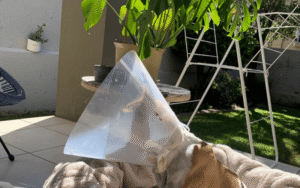
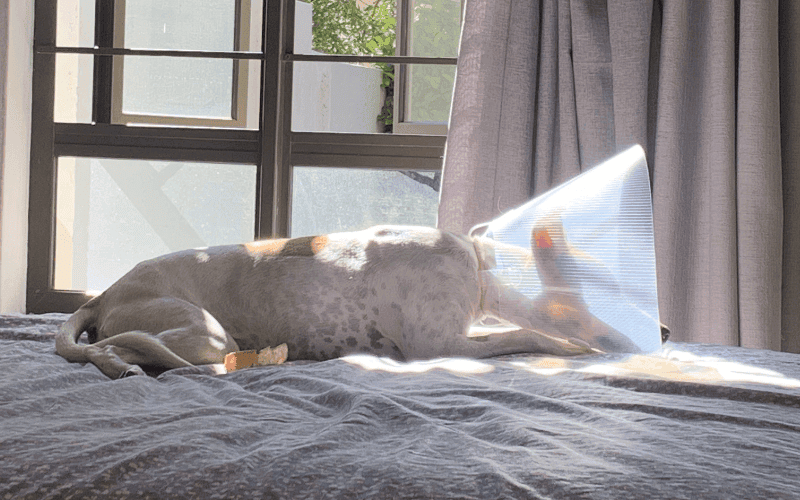
- Enforce the E-Collar: Your dog must wear an Elizabethan collar (the “cone of shame”) 24/7. A single lick can introduce oral bacteria into the healing wound, pull out sutures, or tear a surgical drain.
- Apply Warm Compresses: Soak a clean washcloth in warm water (test it on the inside of your wrist to ensure it isn’t hot). Gently hold it against the area for 5 to 10 minutes, 3 times a day. This increases localised blood flow, accelerates healing, and helps draw out remaining discharge.
- Gentle Cleansing: If faecal material collects around the wound after a bowel movement, gently blot the skin using sterile saline solution or warm water. Never scrub or apply human over-the-counter ointments, alcohol, or hydrogen peroxide.
Dietary Adjustments and Low-Impact Living
- Bulk Up the Stool: To assist with natural gland expression during recovery, add clean fibre to your dog’s meals. Plain, unsweetened canned pumpkin is a fantastic source.
- Small Dogs: 1 teaspoon per meal.
- Medium to Large Dogs: 1 to 2 tablespoons per meal.
- Rest and Mental Stimulation: Limit activity to short, leashed potty breaks to protect the perianal surgical site. Replace high-energy play with low-impact mental enrichment, such as puzzle toys or snuffle mats filled with low-fat treats.
Care Task Frequency Main Objective
| Care Task | Frequency | Reason |
|---|---|---|
| Warm Compress | 2–3 times daily (5–10 mins each) | Reduces swelling; encourages healthy drainage. |
| Monitor Licking or use E-Collar | Continuous (24/7) | Prevents self-trauma and oral bacterial contamination. |
| Butt Inspection | After every outdoor bathroom break | Ensures the surgical site is free of faecal matter. |
| Fiber Supplement | Daily mixed into breakfast and dinner | Bulks up stool to encourage natural gland expression |
Long-Term Preventative Measures
If your dog is prone to anal gland issues, implementing structural lifestyle changes can save them from future flare-ups and eliminate costly veterinary bills.
Diet, Fibre, and Weight Management
- High-Quality Dietary Fibre: Consistently maintaining an optimal fibre profile keeps stools large and firm. Ask your veterinarian about specialised, high-fibre prescription veterinary diets or commercial psyllium husk supplements.
- Weight Management: Overweight and obese dogs are at a significantly higher risk for anal gland abscesses. Excess fat tissue around the pelvic inlet mechanically prevents the anal sacs from aligning correctly during defecation, causing them to remain trapped and unexpressed. Keeping your dog at an ideal Body Condition Score (BCS) allows for natural, healthy function.
When to Consider Routine Expression
For dogs with chronic structural issues, human intervention is necessary:
- Professional Expression: Have a veterinarian or certified groomer routinely check and manually express the sacs every 4 to 8 weeks.
- A Warning on At-Home Expression: Do not attempt to express your dog’s glands at home without professional training. Internal manual expression requires specific clinical training; improper external squeezing can bruise the tissues, cause intense pain, or inadvertently rupture a compromised sac wall.
- Surgical Options (Anal Sacculectomy): If a dog experiences chronic, painful, and recurring abscesses that fail to respond to fibre changes, your veterinarian may recommend an anal sacculectomy—the permanent, surgical removal of both anal sacs. While highly effective, it carries a small risk of temporary or permanent faecal incontinence due to the delicate nerves surrounding the anal sphincter, and should be considered a final resort.
Frequently Asked Questions (FAQ)
A swollen gland presents as a smooth, distinct, highly tender lump located next to the anus. A ruptured gland will have a distinct, raw hole or tear in the skin overlying the lump, oozing a mix of dark red blood and foul pus. Both require a vet visit, but a rupture demands immediate emergency intervention.
Yes. An abscess is an active, localised, deep-tissue bacterial infection. If left untreated, the bacteria can breach the local tissue walls, tracking deep into the surrounding muscle layers or entering the bloodstream, causing systemic sepsis, which is life-threatening.
No. Human topical ointments are dangerous for dogs. They trap moisture inside an active puncture wound, which can actually cause anaerobic bacteria to multiply faster. Furthermore, your dog will instinctively lick the cream off, causing severe gastrointestinal upset or toxicity.
With prompt surgical lancing and an accurate course of oral antibiotics, most healthy dogs heal completely within 10 to 14 days. The initial pain usually subsides within 24 to 48 hours once the physical fluid pressure is relieved.
Small dog breeds have incredibly tiny, delicate drainage ducts connecting the anal sac to the rectum. Even a very mild amount of local tissue inflammation (from allergies or a brief bout of soft stool) can completely collapse the duct, trapping the fluid inside and initiating the infection cycle.
Medical & Behavioural Disclaimer
The information provided in this post is for educational and informational purposes only and is not intended as a substitute for professional veterinary advice, diagnosis, or treatment. While I strive to share accurate and up-to-date guidance on pet care, every dog is unique, and individual needs may vary.
Always consult a qualified veterinarian or certified animal behaviourist regarding any concerns about your dog’s health, behaviour, or wellbeing. Never disregard professional advice or delay seeking it based on information found here.