The Home Gardens (Blog) is reader-supported. When you buy through links on this page, we may earn an affiliate commission at no additional cost to you.
Key Takeaways
- Bonding through activity strengthens your relationship.
- Every pet has unique preferences for exercise and fun.
- Trial and error helps identify what keeps your pet happy.
- Age and breed influence how animals interact and what activities suit them.
- Consistent engagement improves overall pet well-being and behaviour.
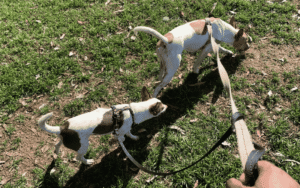
Luna and Taner keep me on my toes every single day. They are different breeds and came from different backgrounds, yet they both show their love for activity in unique ways. Through trial and error, I’ve learned how each of them prefers to play, from classic fetch and tug to scent work and slow, sniff-led walks.
All while making sure that neither of them feels left out. Over the past 5 years, I’ve learned to hack each game to meet my dogs’ very different play needs.
Understanding Your Dog’s Unique Play Style
There’s always something going on in my home because of my two dogs. Luna, my Jack Russell mix, is constantly looking for something to do and finding unique ways to lure me into a play session. The most recent trick she’s developed is opening the fridge. Taner, on the other hand, is more relaxed and less chaotic, but always finishes off what Luna started.
Watching how each of them plays makes it easier to choose games that are fun, safe, and healthy for everyone involved.
Recognising Individual Temperaments
Every dog has a personality that affects what they enjoy. Learning to read those cues makes play and training so much easier. Use this quick temperament checklist to guide your choices:
- Initiator: Does your dog start play and bring you toys? They usually enjoy interactive games like tug or fetch.
- Chaser: Loves running and chasing moving objects — try fetch or a flirt pole.
- Thinker: Prefers puzzles and scent tasks — scent games, puzzle feeders, and snuffle mats are winners.
- Calm companion: Enjoys gentle petting, slow walks, and low-intensity play.
Signs of high-energy include persistent bouncing, frequent play bows, and restlessness; signs of low-energy include slower movements, seeking calm spots, and shorter play bursts. Adjust the length and intensity of sessions accordingly.
Adapting to Different Breeds and Ages
Breed tendencies and age affect how much and what kind of play your dog needs. Puppies have bursts of energy but short attention spans and require frequent breaks; senior dogs often need gentler, low-impact activities to protect joints. When planning play, think in short blocks:
- Puppy routine: 5–10 minute supervised play sessions with chew toys, short fetch rounds, and scent games interspersed with nap time.
- Adult/active dog: 20–30 minute sessions combining cardio (fetch, running) with 10–15 minutes of mental stimulation (puzzle toys, training drills).
- Senior dog: Multiple short low-impact sessions (wading, gentle tug with soft rope, scent work) totalling 15–25 minutes a day.
Use positive dog training methods to teach boundaries during play (a calm cue, “drop it,” or a short time-out). These simple training steps help you manage excitement and keep playtime enjoyable for your dog and for people in the home.
Benefits of Playing with Your Dog Daily
Playing with your dog not only burns off excess energy, but it also supports physical health, sharpens the mind, and strengthens your relationship. Creating a daily play routine helps reduce behaviour problems and keeps your dogs happier over the long term.
Physical Health and Weight Management
Regular activity helps keep your pup at a healthy weight and supports joint mobility. Mixing short bursts of cardio with low-impact play can reduce obesity risk and promote cardiovascular fitness. For example, a 10-minute fetch session (on grass or soft ground) followed by a gentle cool-down walk is an effective, joint-friendly routine.
Remember to adjust intensity by age and condition. Puppies and senior dogs need shorter, gentler sessions; adult, athletic breeds can handle longer play. If you’re unsure about the right level, check with your veterinarian before increasing exercise.
Mental Stimulation and Behavioural Improvement
Play that challenges the brain, like puzzles, scent games, and training-based games, reduces boredom and lowers the chance of destructive behaviour. A mentally tired dog is often a calmer dog; that’s why mixing physical play with brain games is a powerful behaviour-management tool.
Dog training techniques that reward calm focus (clicker training, short training drills) double as mental exercise. Teaching simple cues during play, like “drop it” after a fetch or “leave it” during tug, reinforces obedience while keeping games fun. “Play is the highest form of research, and for our dogs, it is the primary way they learn to navigate the world and bond with us.”
| Play Type | Primary Benefit | Intensity & Sample Drill |
|---|---|---|
| Fetch | Cardio & Weight Control High | High – 8-12 short throws; use soft balls on grass; stop early for seniors |
| Puzzle Toys | Mental Stimulation | Low — 5–10 minute treat-filled puzzle session; rotate puzzles to maintain interest |
| Tug-of-War | Bonding & Muscle | Medium — short rounds with clear “start/stop” cues; use durable rope toys |
| Hide and Seek (toys/treats) | Focus & Scent Work | Low — 5-minute indoor game; hide treats around a room or under cups |
Extra Fun Games to Mix In
- Treat relay: Place small treats along a path for your dog to find — great for nose work and low-impact movement.
- Toy hide-and-seek: Hide a favourite toy and cue “find it” to build search skills and confidence.
- Mini agility at home: Use a low jump, weave poles (cones), and a tunnel (blanket over chairs) for a 5–10 minute agility circuit.
- Freeze-and-go: Alternate 30 seconds of high-energy play with a 30-second “freeze” where the dog must settle for a treat reward.
Try a “mix-it-up” week: alternate cardio days (fetch, running) with brain days (puzzles, scent work) and include one gentle activity day for recovery. This variety supports body and mind while keeping play interesting for your dog and enjoyable for the whole family.
Mastering the Classic Game of Fetch
Fetch is one of the best play games for active dogs in my house. Luna, my Jack Russell mix, goes crazy for a ball or a favourite toy — whether we’re in the yard or at the dog park, she’s ready to run. Fetch is a reliable way to burn energy, practice recall, and have a lot of fun together.
“The greatest pleasure of a dog is that you may make a fool of yourself with him and not only will he not scold you, but he will make a fool of himself too.”
Setting Up the Perfect Fetch Environment
Choose a safe, open area with soft ground (grass or packed dirt) to reduce impact on joints. Avoid busy roads and obstacles, and indoors, clear breakables if you play inside. For hot days, play on cooler surfaces or in shaded areas to protect paw pads and prevent overheating. Bring a variety of toys — balls, soft rubber toys, and floating toys for water fetch — so you can test what your dog prefers. Rotate among toys to keep the game fresh and interesting.
Teaching Your Dog to Return the Toy
Many dogs love to chase, but need encouragement to bring the toy back. Try this simple 5-step return-and-trade method:
- Start close — toss the toy a short distance so your dog can easily retrieve it.
- Call them excitedly and show a high-value treat or second toy as a trade.
- When they approach with the toy, praise and offer the treat or swap for the second toy.
- Repeat, gradually increasing the distance as your dog understands the trade routine.
- Add a verbal cue like “bring” or “return,” and reward consistently so the cue predicts a reward.
Troubleshooting: if your dog runs off with the toy, make the chase rewarding — turn away and ignore for a moment, then call them with an enthusiastic voice and offer a trade. Never punish after the fact; instead, make returning the most fun part of the game. Safety tips: limit sessions for puppies and senior dogs, avoid hard surfaces for repetitive twisting motions, and use soft balls or rubber toys to protect teeth. Try varied play — short-throw fetch, water fetch with floating balls, or a flirt-pole session for variety — to keep fetch safe and engaging for your dog.
Incorporating Swimming for High-Energy Pups
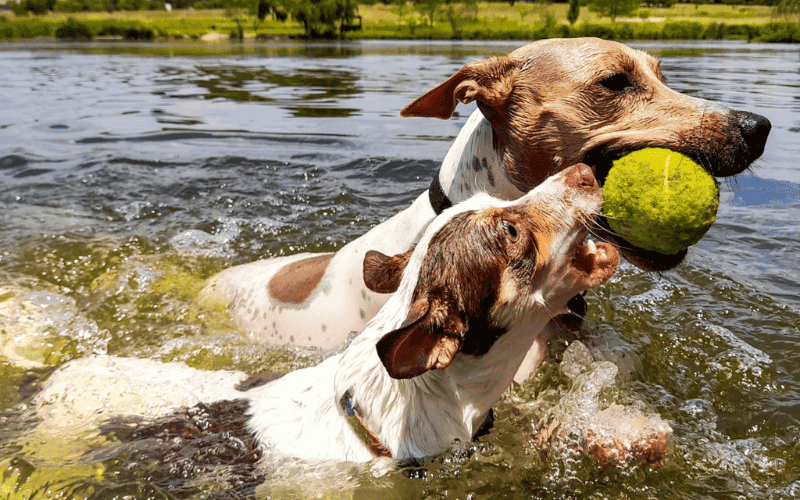
Swimming is one of my favourite ways to play with my dogs — it’s low-impact, burns a lot of energy, and often leaves energetic pups calm and content afterwards. For many dog breeds, water play provides cardio without the joint stress of running, making it a great option for active adult dogs and for rehabilitation when recommended by a vet.

Safety Tips for Water Play
Keeping dogs safe around water should be your top priority. Before you let your dog swim, make sure you follow these basics:
- Life jackets: Use a properly fitted canine PFD for beginners or weak swimmers; check sizing charts and secure straps.
- Supervision: Never leave a dog unattended in water — currents, drop-offs, and underwater hazards exist even in calm lakes.
- Water quality: Avoid stagnant water or places with blue-green algae (cyanobacteria). If water looks discoloured or smells bad, don’t let your dog swim.
- Exit points: Make sure there’s an easy way for your dog to get out (gradual shore, ramps, or steps).
- Post-swim care: Rinse with fresh water to remove chlorine, salt, or algae, dry ears to reduce infection risk, and check paws for cuts.
Equipment checklist: canine life vest, floating toys, towel, fresh drinking water, portable bowl, and a basic first-aid kit. If you have any doubts about your dog’s swimming ability or health, consult your veterinarian before starting regular water activities.
Making Swimming Fun for Reluctant Dogs
If your dog is hesitant, never force them into deep water — that can create a long-term fear. Use a slow, positive approach instead. Try this 5-step gentle introduction:
- Start in shallow water where your dog can stand comfortably and praise any approach to the edge.
- Encourage wading with treats and a favourite floating toy held near the shore.
- Celebrate small steps forward — even pawing the water — and reward calm behaviour.
- Use a life jacket for confidence and keep sessions very short (a few minutes) at first.
- Gradually increase time and distance only when your dog shows relaxed body language.
Floating toys (bright, lightweight balls or foam sticks) work well for motivating swimmers. For dogs that love to chase on land, try water fetch in a calm, supervised area with a floating ball.
| Activity Type | Best For | Intensity Level |
|---|---|---|
| Wading in Shallows | Nervous beginners, seniors | Low |
| Floating Toy Fetch | Active breeds who enjoy water | Moderate |
| Dock Diving (with training) | Athletic, trained dogs | High |
Final reminder: make sure dogs are dry and comfortable after play, and watch for signs of overexertion (heavy panting, wobbliness). If you’re unsure about local water safety, look for canine swim classes or dog-friendly swimming spots with lifeguards or experienced handlers. Proper preparation makes swimming a safe, refreshing, and fun way to play with your dog.
Safe and Controlled Tug-of-War Sessions
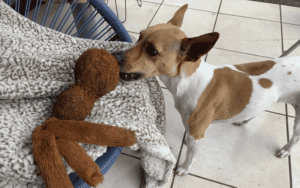
I often sit back with a warm cup of coffee as Luna and Taner play tug — it’s one of our favourite ways to release energy and bond. Tug-of-war can be a great interactive game for dogs and humans when you set clear rules and stay attentive to body language.
Establishing Rules for Tug Play
Clear, consistent rules keep tug fun and safe. Teach and enforce three simple cues:
- Start: Give a cue like “take it” to begin play so your dog learns that tug starts on your terms.
- Drop it: Train a reliable “drop it” or “give” cue using treats or a secondary toy — reward immediately when your dog releases the tug toy.
- Stop: Use a calm “all done” or “enough” cue and end the game if play gets too rough or teeth approach skin.
Practice these cues during low-arousal sessions before you use tug as high-energy play. Consistent dog training around start/stop cues prevents confusion and helps your dog understand boundaries.
How to Teach Drop It — A Quick Protocol
- Hold a tug toy and encourage a gentle grab.
- Offer a small treat or a second toy near the dog’s nose while saying “drop it.”
- When the dog releases, praise and give the treat or swap for the second toy.
- Repeat in short sessions until the dog drops reliably on cue.
- Gradually phase out treats and keep the toy exchange rewarding.
Variants and Safety Tips
Try different tug formats to keep games fresh: two-player tug with you, supervised group tug (only if both dogs are matched in play style), or an anchored tug for solo play. Always choose durable, non-toxic tug toys designed for strong chewers — check seams and replace toys that show heavy wear.
Troubleshooting Common Issues
- Over-arousal: Stop play and give a calm timeout until the dog settles.
- Mouthing or teeth on skin: End the session immediately and resume only when the dog is calm; reinforce gentler play in short drills.
- Resource guarding: If a dog becomes possessive, separate the dogs, manage access to toys, and consult a certified trainer or behaviourist if guarding continues.
Keep sessions short, use clear cues, and reward calm behaviour — a well-ruled tug session builds muscle, trust, and a stronger bond between dogs and people. Try a “3-rule” tug session today (start, drop, stop) and see which cue your dog learns first.
Creative Scent Games for Small Spaces
I’ve found that the best play happens in unexpected places inside my tiny apartment. Living in a studio pushed me to get creative, and scent games quickly became a favourite. These indoor dog activities are low-cost, low-impact, and perfect for providing dog mental stimulation when you don’t have a big yard. Watching my dogs solve puzzles is incredibly rewarding — I hide treats in places that look impossible, and their focus lights up as they work the problem. Simple scent games turn ordinary time at home into a fun treasure hunt that keeps dogs engaged even on rainy days.
dog scent work
Use Studio Apartment Layouts
Small spaces actually hide a lot of scent-work opportunities. I use furniture legs, the underside of a sofa cushion, behind books, and different floor levels to make a game challenging but achievable. For dogs that guard resources, supervise scent games and avoid hiding high-value food near other pets.
- Use the underside of chairs or sofa cushions for easy beginner hides.
- Place treats on low shelves or sturdy boxes to encourage light climbing or stretching.
- Rotate hiding spots daily to keep the challenge fresh.
- Start with easy locations and increase difficulty as your dog succeeds.
Beginner and Advanced Scent Games
Progression helps keep training interesting. Here are two step-by-step games to build skills.
Beginner Scent Game — “Find the Treat”
- Show your dog a small treat and let them watch you hide it in an easy spot (under a cup or in plain sight).
- Release them with a cue like “find it.”
- Celebrate when they discover the treat and repeat three to five times, gradually making the hide slightly harder.
Advanced Scent Game — “Scent Trail”
- Create a short trail by dragging a treat (or a scented cloth) along the floor from start to finish, hiding small treats along the path.
- Start the dog at the beginning of the trail and cue “track” or “find.”
- Increase trail length and complexity over sessions; add turns and rooms.
Four More Fun Scent Games
- Which Cup (Shell Game): Place one treat under one of three cups, shuffle lightly, and cue “which?” Great for focus and impulse control.
- Snuffle Mat Sessions: Scatter kibble or small treats in a snuffle mat for a 5–10 minute brain workout. You can DIY one from fleece or buy a commercial mat.
- Treat Relay: Make a short indoor “course” — a treat at each station (under a towel, behind a box) to encourage movement and sniffing.
- Scented Toy Swap: Hide a favourite toy in different places and pair the find with praise; alternate toys to practice discrimination and build confidence.
DIY Snuffle Mat & Safety Tips
To make a simple snuffle mat, tie fleece strips through a rubber sink mat and tuck kibble between the strips. Use appropriately sized treats to avoid choking and avoid foods that cause allergies. Supervise all games, especially with multiple dogs, and remove small items if your dog tends to eat non-food objects.
Dog scent work builds confidence, reduces boredom, and strengthens your bond through cooperative play. Rotate games, use low-calorie treats if you play frequently, and integrate short training cues for extra mental work. These fun, compact activities are perfect for apartment life and keep both dogs and humans entertained.
The Art of the Sniffari
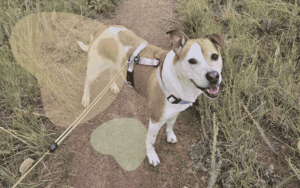
Exercising your pup can be as simple as letting them sniff. I call these walks a “Sniffari” — a slow, nose-first outing that prioritises discovery over distance. Sniffaris are one of our favourite play activities because they let dogs explore the world through their most powerful sense and often leave them mentally satisfied.
Why Letting Your Dog Lead Matters
When you let dogs choose the path and stop to investigate, you give them meaningful mental work. Many trainers and behaviourists note that concentrated sniffing or sensory stimulation can be more tiring for a dog’s brain than running, so a Sniffari can calm an excitable dog while still being a fun play way to learn about the neighbourhood.
Letting your dog lead also helps build confidence and reduce anxiety: making choices and investigating scents allows them to practice decision-making and self-calming in real situations.
How to Plan a Sniffari (5 Steps)
- Choose a safe route with lots of scent opportunities — grassy strips, tree bases, and lampposts work well.
- Use a comfortable leash and harness so your dog can safely explore without pulling you off balance.
- Set a time goal (15–30 minutes for a full Sniffari, or 5–10 minutes for a micro-sniffari during a lunch break).
- Let your dog stop and sniff as long as they want at interesting spots; resist the urge to rush.
- End with a short, calm cue (sit or a treat) to help your dog transition back to home life.
Safety and Off-Leash Considerations
If you want an off-leash Sniffari, make sure the area is legal and safe, and that your dog has a reliable recall through basic dog training. Always check local rules, avoid busy roads, and scout for hazards (broken glass, toxic plants). For public parks, keep treats handy for reinforcement and to manage recall or distractions.
Sniffari Variations and Weekly Planning
Mix Sniffaris with traditional walks for balanced fitness: try two Sniffaris per week (mental enrichment) plus two brisk walks or jogs (physical exercise). Variations to try:
- Micro-sniffari: A 5–10 minute nose break during the day to reset energy.
- Park Sniffari: Let your dog explore a dog-friendly park off-leash if safe and legal.
- Guided Sniffari: Use a treat or scented toy to create a short tracking exercise during the walk.
Adding Sniffaris to your routine is an easy, low-cost way to enrich your dog’s life, strengthen your bond, and make walks more interesting for both dogs and humans. Let your dog lead and enjoy the small discoveries together.
Road Running and Outdoor Adventures
Running with your dog is more than cardio — it’s a shared way to explore and strengthen your bond while keeping your pup fit and mentally engaged. With proper planning and gradual training, many dogs thrive as running partners. Adding regular runs to your dog walking routine builds endurance and trust. Over time, those miles together become a predictable, rewarding part of your relationship.
Planning Routes with Frequent Pauses
When I run with my dogs, I plan routes that include regular breaks so they can sniff, drink, and recalibrate. A simple interval pattern — run 5 minutes, walk 1 minute — gives them chances to cool off and check their surroundings, which reduces stress and keeps them focused. I always carry a portable water bowl and fresh water; even on cooler days, pups need hydration. Watch for signs of fatigue or heat stress (excessive panting, drooling, stumbling) and stop immediately if they appear.
How to Train to Be a Running Buddy
Not every dog is ready to run long distances. Start slow and get a vet check if your dog is young, old, or has health concerns. A progressive plan works well:
- Week 1–2: brisk 10–15 minute walks with short jogging bursts (1–2 minutes).
- Week 3–4: increase jogging intervals to 3–5 minutes with walking recovery.
- After 6–8 weeks: build to continuous jogging as fitness and comfort increase.
Use basic dog training to reinforce recall and loose-leash behaviour before you run off-trail. Teach a solid “here” or “come” command and practice it in low-distraction settings first.
Managing Expectations and Safety Considerations
Always choose your dog’s comfort over speed. Some days they’ll want to push; other days they’ll prefer a sniff-filled slow run. Protect paws from hot pavement (run in the morning/evening or on grass), consider booties for rough trails, and check paws after runs for cuts or debris. Pre-run feeding tip: avoid feeding a large meal within two hours of intense exercise to reduce the risk of gastrointestinal upset. If you plan regular runs, coordinate mealtimes and portions to keep energy steady.
| Activity Type | Intensity Level | Best For |
|---|---|---|
| Casual Sniff-Walk | Low | Senior dogs or decompression |
| Brisk Jog | Moderate | Active breeds needing stamina |
| Trail Running | High | High-energy dogs with training |
How to Play With Your Dog When You Have Multiple Pets
Living with more than one dog can be challenging — and endlessly rewarding. Watching my pups bond on hikes and playdates taught me that careful supervision and consistent rules keep a multi-dog household happy and safe.
multi-dog household tips
Managing Dynamic Interactions
Each dog will bring a different play style — some love high-energy chase games while others prefer calm scent work. Pay attention to body language (play bows, relaxed tails, loose mouths signal fun; stiff bodies, pinned ears, or hard stares can signal stress) and step in early to redirect or separate if needed.
Preventing Over-Excitement and Conflict
Small changes prevent big fights. Use consistent cues and short breaks to manage energy and teach good social skills.
- Structured breaks: Follow a 5–10 minute warm-up, 10–15 minutes supervised play, then a 5-minute cool-down where each dog gets a calm rewarded behaviour (sit, settle).
- Calm guidance: Use a calm voice to interrupt overly rowdy behaviour, and redirect to a toy or scent game.
- Reward calm behaviour: Give treats when dogs settle or share toys politely to reinforce good choices.
- Brief separation: If one dog won’t stop high-energy play, separate them briefly (different rooms or crates) to let everyone cool down.
Safe Separation & One-on-One Play
When you need to separate dogs, do it safely: offer each dog a favourite toy or treat in different rooms, or leash and lead one away calmly. Schedule one-on-one play sessions so each dog gets individual enrichment — short scent games for one, a brisk fetch session for the other — which reduces competition and keeps both mentally satisfied.
Introductions and When to Call a Professional
When introducing a new dog, use neutral territory, keep both leashed, let them sniff at a distance, and gradually allow closer interaction while monitoring body language. If you see persistent resource guarding, mounting, or aggressive snaps, consult a certified dog trainer or behaviourist — these are signs that professional guidance is needed. With planned activities, clear rules, and occasional one-on-one time, you can create a peaceful, playful home where all dogs thrive. Use toys, treats, and dog training cues to manage interactions, and rotate activities so each pup gets the play they love.
Choosing the Right Toys for Engaging Play
Picking toys for your pup is about more than colour — it’s about matching the toy to your dog’s play style, durability needs, and safety. After years of testing toys with Luna and Taner, I’ve learned that the right selection keeps dogs active, prevents boredom, and makes indoor and outdoor play more fun for everyone in the house.
Durability and Safety Considerations
Invest in durable dog toys that match your dog’s chewing strength and size. Make sure toys are non-toxic, have no small detachable parts that can be swallowed, and are the right size for your dog’s mouth. Check seams and materials regularly and replace toys when they show heavy wear — make sure to remove anything with deep chew marks, exposed stuffing, or broken pieces. For safety: choose rubber or reinforced rope toys for aggressive chewers, soft plush or squeaky toys for gentle players, and floating toys for water play. If you have multiple dogs, supervise toy sharing to avoid resource-guarding incidents.
Toys by Play Type (Quick Guide)
- Fetch/balls: Durable rubber or tennis-style balls sized appropriately for your dog — great for cardio sessions and outdoor play.
- Tug/rope: Thick, tightly braided rope or reinforced tug toys for tug-of-war; always teach “drop it” and supervise play.
- Puzzle feeders & interactive toys: Hide treats or kibble to provide dog training opportunities and mental enrichment.
- Floating toys: Bright, buoyant toys for water fetch — rinse after use and dry thoroughly.
Rotating Toys to Keep Interest High. Toy rotation is an easy way to keep games played interesting. Keep 4–6 toys in active rotation and hide the rest. Swap toys every 3–7 days so favourites feel new again. Try a one-week toy-rotation challenge: log what toys your dog plays with each day and note any changes in behaviour or engagement.
Budget & DIY Options
You don’t need expensive gear to enrich play. DIY ideas include stuffing a durable Kong with kibble or mashed food and freezing it, making a snuffle mat from fleece, or creating a tug toy from braided old t-shirts. For budget fetch, use a sturdy rubber ball rather than fragile plastic toys.
Practical Tips & CTA
Match toy size to your dog’s breed and mouth. Avoid toys that are too small for large dogs, and keep separate sets if you have multiple dogs to prevent conflicts. Rotate toys, pair them with short training sessions, and use treats sparingly during frequent games to avoid excess food intake.
Try the 1-week toy-rotation challenge at home: pick 4–6 toys, rotate them, and note which toys drive the most play — then use that insight to plan balanced indoor and outdoor activities that keep your dog physically and mentally engaged.
Troubleshooting Common Playtime Challenges
Playtime can sometimes get out of hand — especially with high-energy dogs that struggle to self-limit. Staying calm and using clear dog training techniques helps you regain control and keeps playtime safe and enjoyable for everyone.
Handling Over-Stimulation
When your pup jumps, nips, or ignores cues, they’re likely over-stimulated. The fastest way to reset is to pause the activity immediately so they can calm down. Use a short, predictable timeout routine rather than yelling — consistency is key. Quick script to use: calmly say “all done,” end the game, and lead your dog to a quiet spot for 1–2 minutes. Release them when they are calm and offer a small treat or praise to reinforce the cool-down.
Redirecting Unwanted Behaviours
Redirecting energy into an appropriate outlet preserves the fun while reducing problem behaviours. If your dog is mouthy or restless, swap the object of focus for a durable toy or an enrichment activity (a Kong stuffed with kibble or frozen wet food, a snuffle mat, or a puzzle feeder).
- Redirect example: If they start mouthing during fetch, pause, show a Kong filled with kibble, toss it a short distance, and resume play when settled.
- Durable redirects: rubber chew toys, braided rope (for supervised tug), or long-lasting puzzle feeders.
Safe Separation Techniques
If play escalates to resource guarding or aggression, separate the dogs calmly to prevent injury. Avoid grabbing the disputed toy — instead, offer a high-value trade (treat or favourite toy) to the dog with the item while guiding the other dog away. If separation is necessary, use gates or different rooms and allow a cooling-off period before reintroducing supervised interaction.
Behaviour Table — What to Do
BehaviorPotential CauseRecommended Action
Excessive Barking Frustration or unmet need Pause play, wait for silence, then reward calm; add extra enrichment or exercise
Nipping / Mouthing Over-stimulation Stop play, redirect to a chew toy or Kong, resume when calm
Ignoring Commands High arousal End session for a cool-down; practice short training drills when calm
Resource Guarding Competition or anxiety Separate pets safely, manage access to items, consult a trainer if repeated
When to Call a Professional
If you notice sudden changes in behaviour (unexpected aggression, escalation despite management, or intense resource guarding), reach out to a certified dog trainer or veterinary behaviourist. Professional help is especially important when safety is at risk or when interventions at home aren’t resolving the issue.
Simple Flow to Follow During Escalation
- Stop play and separate calmly.
- Redirect each dog to a safe activity (Kong, chew toy, scent game).
- Allow a cool-down period and assess body language.
- Resume supervised, low-intensity activities; reinforce calm behaviour with treats and praise.
- If problems persist, consult a trainer/behaviourist.
Using calm, consistent dog training methods and offering appropriate redirection toys keeps playtime positive and reduces conflict. These small behaviour-management steps protect both your dogs and your home while preserving the joy of play.
Spending quality time with your furry friend is incredibly rewarding. I hope these ideas help you find new ways to connect with your best friend every day. Small, consistent moments of play improve your dog’s health and strengthen your relationship — and they don’t have to be complicated to make a big difference.
Top 3 Games to Try This Week
- Day 1 — Fetch session (10–15 minutes): Soft ball on grass or short indoor throws; practice the return-and-trade method to reinforce recall.
- Day 3 — Scent game (5–10 minutes): Snuffle mat or “Which Cup” shell game to boost dog mental stimulation and confidence.
- Day 5 — Sniffari (15–30 minutes): Let your dog lead a slow exploratory walk to tire the mind and reduce anxiety.
Try this mini schedule and adjust timing for puppies, seniors, or dogs with health concerns. If a game doesn’t fit your dog’s style, swap it for a calmer activity — the goal is to find play ways that your dog loves. It’s key to Play With Your Dog in ways that keep them happy, healthy, and loved. A mix of physical play, training-based games, and scent activities supports body and mind while deepening your bond. When you make the effort to play regularly, you invest in a lifetime of trust and happiness with your canine companion. Grab a Kong, a sturdy rope, or a floating toy and start a new adventure today — even five focused minutes of play can brighten your dog’s day and yours.
FAQ
How can I manage playtime if my dogs have completely different energy levels?
Finding balance is key. Pair a high-energy game (like fetch) with a parallel low-energy activity (scent work or puzzle toys) so each dog gets what they need. Schedule one-on-one play times and short group sessions with calm breaks to reduce conflict.
What is a “Sniffari” and why should we try it?
A Sniffari is a sniff-led walk where your dog leads the exploration. It emphasises mental enrichment over distance and often leaves dogs calm and satisfied. Try a 15–30 minute Sniffari a few times a week for variety in your routine.
Is it safe to let my dogs play tug-of-war together?
Yes, with rules and supervision. Teach “take it,” “drop it,” and a clear stop cue; use durable tug toys and end the game if teeth approach skin or play escalates. If resource guarding appears, separate play and consult a trainer.
How do I keep my dogs engaged when we’re stuck in a small apartment?
Scent games, snuffle mats, short puzzle sessions, and toy rotation work wonders. Hide treats in different rooms, rotate toys every 3–7 days, and use short training drills to provide both physical and mental outlets indoors.
What should I keep in mind when taking my dogs road running?
Progress gradually, get a vet check for young or older dogs, and plan routes with frequent pauses and water. Avoid hot pavement, watch for signs of fatigue, and use training to reinforce recall and loose-leash running manners.
How can I make swimming a safe and fun experience for my pups?
Use a properly fitted canine life jacket for beginners, choose safe water with clear access points, and start in shallow water with praise and treats. Rinse after swimming and dry ears; avoid areas with blue-green algae and consult your vet if you have health concerns.
My dog gets bored with their toys quickly—any tips?
Try toy rotation, introduce puzzle feeders, and pair toys with short training drills. Use durable toys that match your dog’s play style and hide favourites for a week to make them feel new again.
How do I handle it when playtime gets a little too intense?
Pause play immediately, use a calm timeout, and redirect to an enrichment toy like a Kong or snuffle mat. If aggressive behaviours or resource guarding persist, seek help from a certified dog trainer or veterinary behaviourist.