Key Takeaways
- Consider your dog’s breed, age, energy level, and personality when creating your home. Their environment should support their physical comfort, emotional wellbeing, and mental stimulation.
- Keep cables, small chewable items, and food waste out of reach. Preventing accidents is much easier than dealing with them later.
- Regular exercise, consistent cleaning, and thoughtful organisation create a home that is safe, practical, and comfortable for both you and your dog.
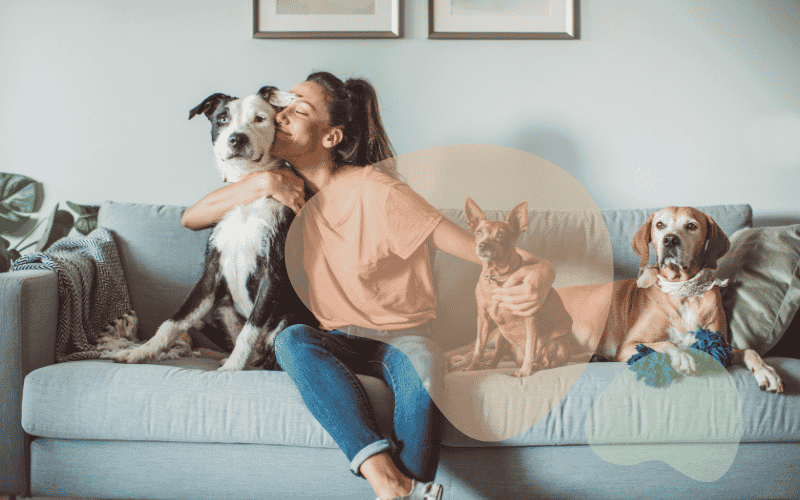
My dogs and I live in a studio apartment, so I’ve had to be intentional about creating a home that’s both safe and dog-friendly. Over the years, I’ve learned plenty through trial and error. From organising our space to understanding my dogs’ personalities and mischievous habits, every small change has helped prevent the occasional oopsie.
Before diving into the practical tips, I always keep one thing in mind. A dog-friendly home should support your dog’s physical comfort, provide mental stimulation, and help them feel safe and secure. At the same time, it should be easy to maintain and practical for everyday life.
My Four Rules for a Dog-Friendly Studio Apartment
These four rules keep our home calm, organised, and enjoyable for everyone.
1. Prioritise Exercise and Enrichment
I have two working breeds: Luna, my Jack Russell, and Taner, my Fox Terrier. Both need daily exercise and mental stimulation to stay happy and balanced.
We go for walks around our complex every day. If the weather doesn’t cooperate, we play fetch in the garden or enjoy enrichment games using their toys, toilet paper rolls, and cardboard boxes from online deliveries.
On weekends, we head to parkrun. It’s a great way for them to burn energy, explore new smells, and socialise with other dogs and people.
2. Put Away Cables and Small Items
Taner is endlessly curious. If he finds something on the floor, he’ll probably try to chew it.
I learned that lesson after catching him happily chewing my laptop charger. Since then, I’ve made it a habit to pack away chargers, earbuds, pens, and other small items as soon as I’m finished with them. Any cables that stay plugged in are neatly secured and kept out of reach.
His fascination with zips and buttons also caught me by surprise. I no longer leave clothes on the floor, and I avoid buying soft furnishings with tassels, decorative buttons, or loose fastenings. Small changes like these have protected both my belongings and my dogs.
3. Take Food Waste Outside
Living in a studio apartment means almost everything is within reach. That’s why I remove temptation whenever I can.
Food waste goes straight into the outside bin. What looks like rubbish to us smells like treasure to a dog. Leaving it indoors increases the risk of them finding spoiled food, plastic packaging, or other dangerous items.
I also learned never to underestimate what dogs can reach. Luna can easily put her front paws on the kitchen counter. One day, she pulled a rubbish bag onto the floor. It contained broken glass.
Thankfully, neither Luna nor Taner was hurt, but it was a lesson I won’t forget. Since then, I take food waste outside immediately, even if the kitchen bin isn’t full.
4. Keep Your Home Clean
In a studio apartment, mess builds up quickly. A few muddy paw prints, pet hair, or dirty dishes can make the whole space feel untidy.
Keeping your home clean isn’t just about appearances. It supports both your health and your dog’s wellbeing.
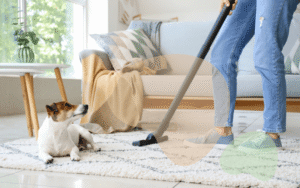
I usually deep clean every Saturday, or on Friday evening if I have the energy after work. A clean home helps me feel calmer, think more clearly, and enjoy my space.
I’ve also noticed Luna and Taner seem more comfortable in a clean environment. They appear to scratch and groom themselves less when there’s less dust and loose hair around. Whether that’s coincidence or not, keeping our home clean benefits all three of us.
Related post – My Weekly Cleaning Routine
Keep It Simple
I’m a big believer in the KISS principle: Keep It Simple, Stupid.
Making your home dog-friendly doesn’t have to be complicated. Exercise your dog every day. Remove obvious hazards. Keep your home clean. Build routines you can stick to.
The small habits are often the ones that make the biggest difference.