Understanding Your Plants’ Thirst
Proper watering is essential for a thriving garden. Both overwatering and underwatering can stress plants and ultimately lead to their decline. Understanding your plants’ water needs is the first step toward achieving garden success.
Why Proper Watering is Important
Water plays a crucial role in plant health. It facilitates nutrient transportation, supports photosynthesis, and helps regulate temperature. Without adequate water, plants struggle to thrive.
Factors Affecting Water Needs
Several factors influence how much water a plant requires:
- Climate: Arid-climate plants, such as succulents, need less water than tropical varieties.
- Soil Type: Sandy soils drain quickly and may need more frequent watering, while clay soils retain moisture longer.
- Plant Species: Different species have unique water requirements. Researching your plant type can help avoid watering mistakes.
Recognizing Overwatering and Underwatering
Learning to identify the signs of overwatering and underwatering is key:
- Overwatering: Symptoms include yellowing leaves, root rot, and an increased risk of fungal diseases.
- Underwatering: Signs include wilting, brown leaf tips, and stunted growth.
Watering Techniques
The method you use to water your plants can significantly impact their health and growth.
Deep Watering vs. Frequent Watering
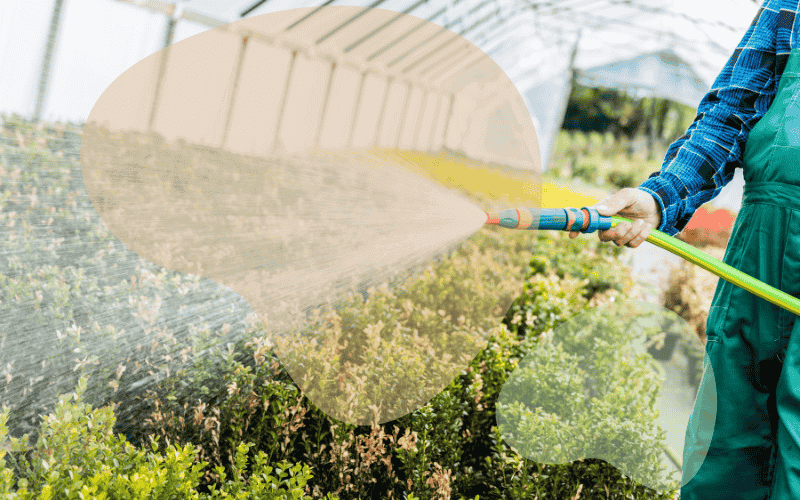
- Deep Watering: This method involves delivering water directly to the plant’s root zone, ensuring it gets water exactly where it’s needed. It’s highly efficient as it minimizes evaporation and runoff.
- Frequent Watering: Leads to shallow root systems, leaving plants more susceptible to stress.
Top Watering vs. Bottom Watering
- Top Watering: Ideal for most plants, this method involves watering the soil surface. Ensure even distribution to avoid dry spots.
- Bottom Watering: Useful for plants like African violets, this technique reduces the risk of fungal diseases by watering from below the pot.
Efficient Water Delivery Methods
- Soaker Hoses and Drip Irrigation: These systems deliver water directly to the root zone, minimizing evaporation and water waste.
- Mulching: Applying a layer of mulch helps retain soil moisture, suppress weeds, and regulate soil temperature.
Watering Schedules
Consistency is crucial for plant health, but schedules should adapt to changing conditions.
Seasonal Watering Adjustments
- Summer: Increase watering during hot, dry periods to compensate for higher evaporation rates.
- Winter: Reduce watering, especially for indoor plants, as growth slows and evaporation decreases.
Checking Soil Moisture
- Insert your finger into the soil to check for dryness before watering.
- Using a Moisture Meter: These devices provide accurate soil moisture readings, helping you avoid guesswork.
Tailoring Schedules to Plant Types
- Succulents and Cacti: Require infrequent watering due to their arid origins.
- Tropical Plants: Thrive with consistent moisture and benefit from misting to maintain humidity.
Water Quality
The quality of water used can impact plant health in significant ways.
Tap Water vs. Rainwater
- Tap Water: Generally safe but may contain chlorine and minerals harmful to sensitive plants.
- Rainwater: A natural and chemical-free option preferred by most plants.
Managing Water pH
- Plants generally prefer slightly acidic to neutral pH levels. Test your water and adjust as necessary to optimize nutrient availability.
Filtering Water
- For Indoor Plants: Filtering removes impurities and chlorine, making it more suitable for sensitive houseplants.
Common Watering Mistakes and How to Avoid Them
Avoid these common pitfalls to keep your plants thriving:
- Overwatering: Leads to root rot and fungal issues. Always check soil moisture before watering.
- Underwatering: Causes wilting and stunted growth. Monitor soil dryness regularly.
- Inconsistent Watering: Stress from irregular watering can make plants more vulnerable to pests and diseases.
- Ignoring Soil Type: Understanding your soil’s water retention capacity is essential.
- Neglecting Drainage: Ensure pots and planting beds have proper drainage to prevent waterlogging.
Watering Special Plants
Tailor your approach based on the specific needs of your plants:
- Succulents and Cacti: Water sparingly, allowing the soil to dry out completely between waterings.
- Tropical Plants: Prefer consistent moisture and high humidity. Misting can help mimic their natural environment.
- Houseplants: Adjust watering frequency based on species and indoor conditions.
- Outdoor Plants: Their needs vary depending on climate, season, and type.
Water-Saving Tips
Conserve water while keeping your garden healthy with these strategies:
- Xeriscaping: Design a drought-tolerant landscape with low-water plants.
- Collecting Rainwater: Use barrels or cisterns to collect rainwater for garden use.
- Using Greywater: Safely recycle water from showers or sinks to hydrate non-edible plants.
- Mulching: Helps reduce evaporation and retain soil moisture.
Troubleshooting Watering Issues
Diagnose and resolve common watering-related problems:
- Yellowing Leaves: Could indicate overwatering, underwatering, or nutrient deficiencies.
- Brown Leaf Tips: Often caused by irregular watering or mineral buildup.
- Wilting: A sign of underwatering or root damage.
- Root Rot: Typically results from excessive moisture and poor drainage.
The Key to Healthy Plants: Balanced Watering
By understanding your plants’ water needs and adopting these watering techniques, you can create a thriving garden. Remember, the key to healthy plants lies in balanced and attentive watering practices.