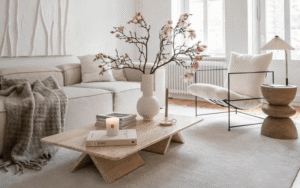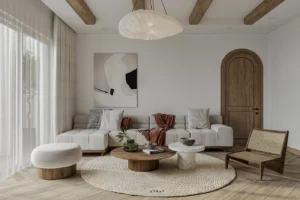

Modern farmhouse, mid-century modern, Scandinavian—most of us recognise these interior design terms, but knowing the name of a style isn’t the same as understanding what truly defines it. With so many unique aesthetics to explore, it’s easy to feel overwhelmed.
Still, even a basic grasp of different design principles can help shape your personal taste and guide your decorating choices.
When you understand the elements, you naturally love creating a cohesive space, and it becomes much simpler. Your style might draw from the bold geometric shapes of 1920s Art Deco. Or lean into region-inspired looks, like the clean, functional lines of Scandinavian design. Or, you might lean into midcentury modern for its sleek postwar silhouettes or maximalism for its fearless use of colour and pattern. The options are endless!
Once you understand these styles, the creative process becomes even more inspiring. As award-winning designer Nate Berkus once said, “The best design projects were the ones where people broke all the rules.” So let your mind run free!
Without further ado, let’s explore the major interior design styles. Once you’re familiar with them, that’s when the real fun begins.
Design Styles
Design styles popular or rising strongly in 2025–2026
These styles are seeing the biggest global momentum now.
Japandi
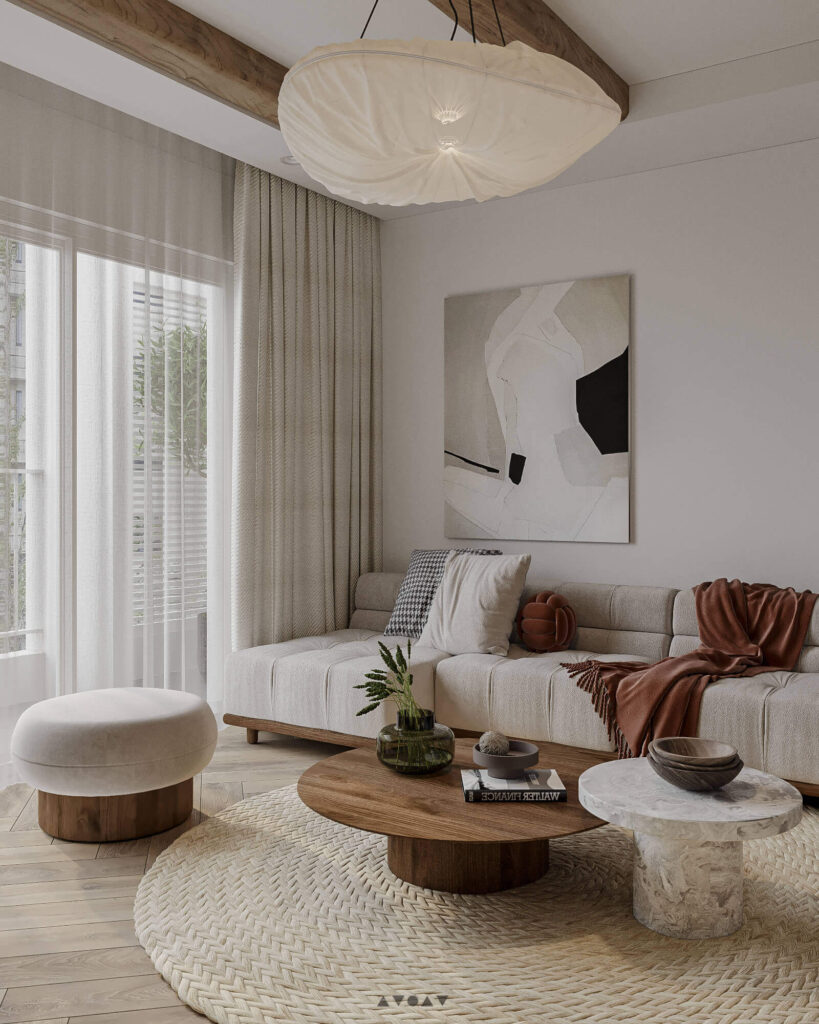
Often cited as the “style to watch” for 2025 and 2026. Japandi harmoniously blends Japanese and Scandinavian aesthetics to create serene, nature-centered spaces. While both styles share clean lines and an emphasis on natural materials, Japandi is defined by a deeper philosophical layer rooted in the Japanese concept of Wabi-Sabi, which embraces imperfection and impermanence.
Unlike pure Scandinavian design, which aims for polished simplicity, Japandi leans into organic textures, rustic materials, and intentionally asymmetrical forms that celebrate the handcrafted. Its palette is richer and moodier, often incorporating black, deep green, terracotta, and eggplant tones to create a grounded, tranquil atmosphere. View full Japandi living room >
Biophilic / Nature-inspired Design
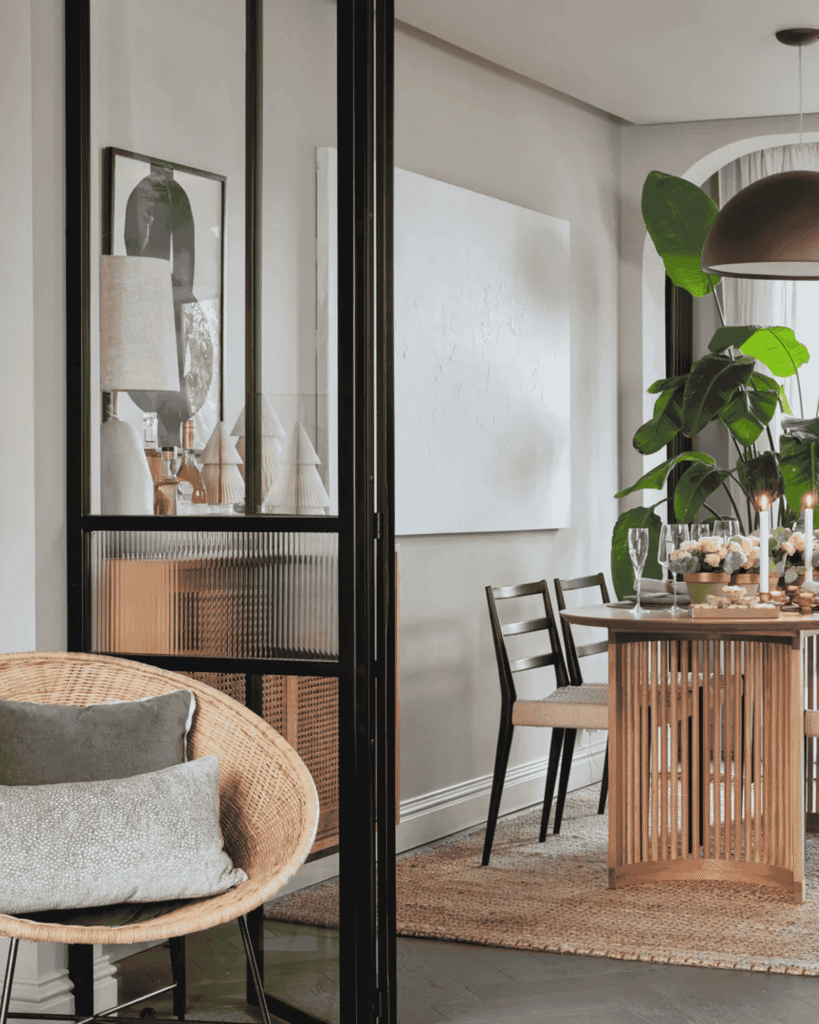
Biophilic design is a sophisticated architectural framework that bridges the gap between the built environment and the natural world. Grounded in the research of social ecologist Stephen Kellert, this approach is more than mere aesthetics; it’s about deep, restorative connection with nature.
It operates on two levels. Direct experience, achieved through living walls, water features, and abundant sunlight, and indirect experience, using organic textures like wood and stone, biomorphic forms, and fractal patterns.
This design style prioritises natural light, circadian alignment, and tactile materials to create spaces that are visually harmonious and psychologically beneficial. Living in spaces like this enhances creativity, reduces stress, and promotes holistic well-being, it is the ultimate sustainable, human-centric living. View full Biophilic living room >
Minimalist Interior Design

Minimalist design is both a style and a philosophy rooted in the idea that “less is more,” encouraging us to question how much we truly need to live well and stripping spaces down to only the most essential elements.
Minimalist design relies on highly purposeful furniture, optimised use of space, and ample built-in storage to keep environments uncluttered.
While it avoids excess ornamentation, it remains warm and inviting. Texture plays a key role in achieving this balance. Rough wood is often paired with smooth stone. Wool is layered with linen for added softness and contrast. Natural light enhances the overall atmosphere. Quality craftsmanship becomes part of the visual appeal. Tactile contrasts serve as the primary form of decoration. View the full room >
Scandinavian (modern Scandinavian / updated)
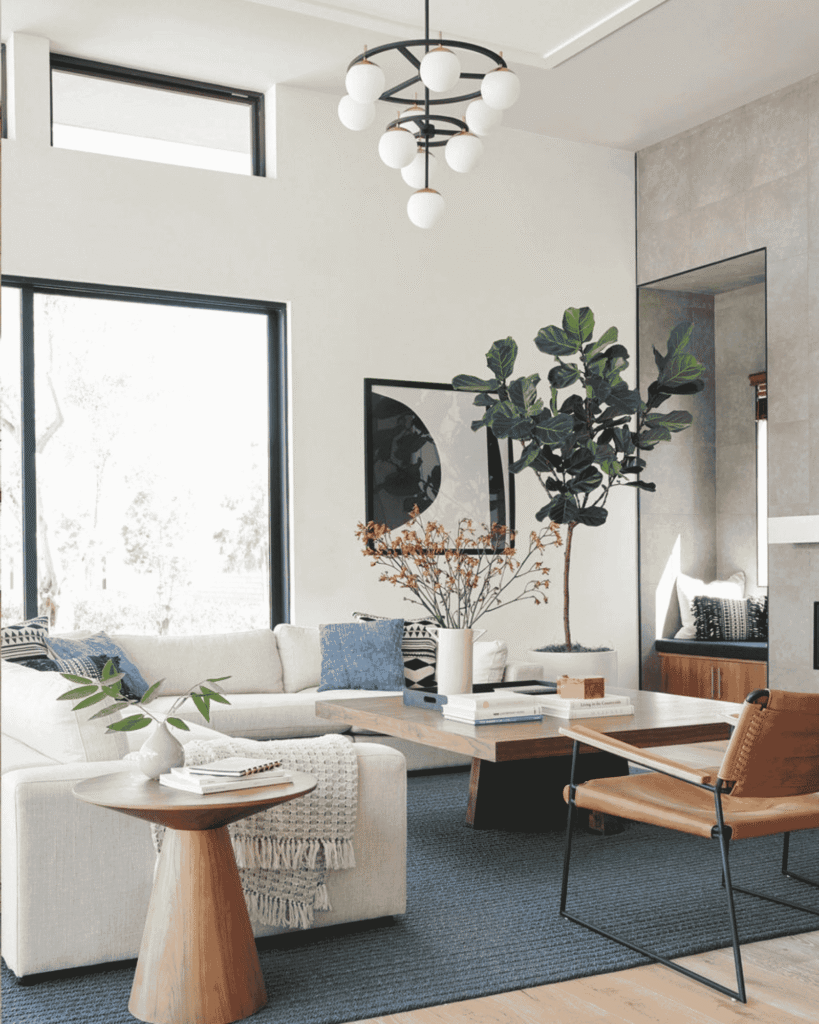
Born from the unique demands of the Nordic climate, Scandinavian design is a sophisticated balance of utility and aesthetics. Shaped by long, dark winters, the style prioritises the amplification of light and the creation of warmth. It is defined by a clean, rectilinear architectural language softened by a palette of whites, creams, and pale greys that maximise brightness.
The true genius of “Scandi” lies in its materiality. It rejects cold minimalism in favour of inviting textures, using locally sourced materials like birch, ash, rattan, and undyed leather. Anchored by the cultural pillars of Hygge (the Danish pursuit of cosiness) and Lagom (the Swedish art of moderation), the result is a space that feels curated yet unpretentious, sustainable, functional, and deeply serene. View the full room >
Contemporary

Contemporary design is a flexible, consistently evolving style that absorbs current trends and adapts easily to modern lifestyles. It blends soft minimalism, natural materials, and selective bold accents to create spaces that feel fresh and relevant. Unlike modern design, which adheres to a strict historical aesthetic, contemporary style uses simplicity as a canvas for experimentation, balancing streamlined silhouettes, bespoke furniture, and high-tech details with textural elements that keep interiors warm and dynamic.
Its neutral foundational palette and thoughtful editing make it a style chameleon, able to incorporate emerging trends through accessories or layout changes. This versatility and spontaneity define contemporary interiors, offering a clean, current look that evolves effortlessly with the way people live today.
Styles Re-emerging, Evolving or Niche but Growing
These are not yet universal, but show strong growth in interest and experimentation.
Neo‑Art Deco
Neo-Art Deco is a reimagined take on 1920s–30s glitz and glamour, blending the bold geometry and luxurious materials of classic Art Deco, think zigzags, sunbursts, stepped forms, brass, lacquer, and exotic woods, with contemporary sensibilities.
This modern revival softens the styles once–rigid symmetry with refined curves, richer and moodier colour palettes, and updated materials and technologies that make the look both opulent and livable. The result is a fusion of old-world elegance and modern functionality, offering a polished yet personalised aesthetic that brings Deco’s iconic drama into today’s homes.
Bohemian
Bohemian (Boho) design is a free-spirited, eclectic style that celebrates individuality and storytelling. Today’s boho look is more refined than the carefree versions of years past, but it still thrives on mixing natural textures, handcrafted décor, and collected pieces that feel soulful and lived-in. Sustainability and personal expression often sit at the heart of its appeal.
A true bohemian interior layers colours, patterns, and global influences, think rattan and macramé, Moroccan pouffes, Indian textiles, vibrant throws, and travel treasures that add meaning and warmth. Earthy tones like terracotta and mustard blend effortlessly with rich jewel hues, while vintage or artisanal items bring depth and character.
Although the style embraces eclecticism, boho isn’t without intention. It may look unruly and free-flowing, but there’s an art to combining textures, tones, and objects in a way that feels cohesive rather than chaotic. The bohemian design style gives you the freedom to thoughtfully reflect your personality and create a relaxed, layered, and inviting home.
Grandmillennial
Grandmillennial style, often called “granny chic”, is a nostalgic, comfort-driven design movement gaining momentum as a warm and welcoming antidote to minimalism and overly sterile modern interiors. Rooted in the charm of traditional décor, it embraces vintage furniture, warmer colour palettes, layered textures, and décor that tells a personal story.
This trend reimagines the classic elements found in grandparents’ homes, updating them with a fresh, contemporary twist. Think chintz and florals, needlepoint, ruffled trims, chinoiserie, embroidered linens, blue-and-white ceramics, and dark wood antiques, blended thoughtfully with modern silhouettes and styling. The result is a layered, personality-rich aesthetic that feels both nostalgic and newly relevant.
(Jacksonville Journal-Courier)
Eclectic interiors
Eclectic design is all about intentional mixing. It brings together diverse elements, colours, textures, furniture styles, eras, and global influences, and curates them into a space that feels unique yet harmonious.
While the look may seem free-spirited, it avoids chaos by following core design principles such as balance, scale, and rhythm. A cohesive colour palette, repeating shapes, or consistent materials often act as the glue that ties everything together.
At its heart, eclectic style celebrates individuality. It allows you to blend modern lines with vintage finds, pair global textiles with contemporary artwork, and layer contrasting textures in a way that tells your story. It’s not about randomness, it’s about thoughtful curation, mixing what you love to create a space that feels collected, expressive, and unmistakably yours.
Gustavian
Gustavian style is a refined and quietly elegant Swedish design aesthetic that emerged in the late 18th century (around 1770–1810). Inspired by French Neoclassicism and the Louis XVI era, but simplified for Scandinavian living, it softens the ornate influences of Rococo into something lighter, calmer, and more understated.
This style is known for its pale, muted palette of whites, greys, soft blues, and gentle greens, often applied to native woods like birch or pine. Clean lines, symmetry, and classical details such as fluted legs or carved motifs create a sense of order and grace, while the overall lightness was designed to brighten long Nordic winters.
Timeless and versatile, Gustavian design blends restrained elegance with rustic charm, making it a natural fit for both traditional and modern homes today.
California Coastal
California Coastal design blends airy, sun-washed interiors with natural textures, ocean-inspired colours, and indoor–outdoor living. This trending 2025–2026 style is known for its relaxed luxury, featuring light woods, linen fabrics, rattan elements, and a palette of whites, sands, and soft blues. Ideal for creating a bright, breezy, modern coastal home.
Modern Farmhouse
Modern Farmhouse remains a top design trend, mixing the clean lines of contemporary style with the warmth of classic farmhouse décor. Think white shiplap, black metal accents, rustic woods, and minimalist styling. Popular for homeowners seeking a cosy, modern, and family-friendly interior.
Mediterranean
Mediterranean design is surging in popularity with its sun-drenched colours, terracotta accents, arched details, and earthy textures. Inspired by homes in Spain, Italy, and Greece, this style creates a warm, relaxed, resort-like atmosphere.
Transitional
Transitional design blends traditional elegance with modern simplicity, making it one of the most versatile and search-friendly styles for 2025–2026. Featuring neutral palettes, tailored lines, soft textures, and subtle sophistication, it appeals to homeowners wanting a timeless and balanced interior.
Traditional
Traditional interior design remains a classic choice for those who love symmetry, rich woods, refined details, and timeless furniture silhouettes. With the rising interest in heritage-inspired décor.
French Country
French Country design offers romantic, rustic elegance, combining distressed woods, vintage accents, soft neutrals, and floral textiles. Popular in 2025–2026 for its warm, lived-in charm.
English Cottage
English Cottage style is trending thanks to its cosy, nostalgic, and layered interiors. Think floral prints, vintage furniture, warm colours, and charming details that create a storybook countryside feel.
Neo-Industrial
Neo-Industrial design modernises the industrial loft aesthetic with sleek lines, warm woods, exposed brick, and metal accents. It’s gaining traction in 2025–2026 as homeowners seek urban sophistication paired with comfort and functionality.
Midcentury Modern
Midcentury Modern remains a beloved trend, featuring clean lines, organic shapes, warm woods, and retro simplicity. Ideal for creating timeless, functional interiors.
Coastal
Coastal design embraces serene blues, crisp whites, light woods, and natural textures to create spaces that feel calm, bright, and breezy. It’s a top search for homeowners wanting a beach-inspired interior without a strong regional identity.
Rustic
Rustic design focuses on natural materials, raw textures, weathered woods, and a connection to the outdoors. Popular for homeowners seeking earthy, cosy, and organic interiors.
Farmhouse
Classic Farmhouse style highlights vintage décor, distressed woods, simple lines, and a homey atmosphere.
Maximalist
Maximalist interior design celebrates bold colours, layered patterns, expressive décor, and a “more is more” philosophy. Rising in 2025–2026 with the push toward personalised, eclectic interiors.
’70s Revival
The ’70s Revival trend brings back earthy palettes, cane furniture, geometric patterns, and retro silhouettes. Popular with homeowners exploring nostalgic yet modern interiors.
Regency (Hollywood Regency)
Regency design is glamorous and dramatic, featuring mirrored surfaces, lacquer finishes, velvet upholstery, and bold geometric elements.
Palm Beach
Palm Beach style blends bright pastels, tropical patterns, wicker furniture, and touches of preppy glamour. Ideal for those seeking a vibrant, cheerful, coastal-meets-glam interior.
Alpine Chic
Alpine Chic blends mountain lodge warmth with a modern, polished aesthetic, using natural woods, stone textures, plush textiles, and winter-inspired palettes.
Americana
Americana style incorporates heritage-inspired décor, vintage signage, handcrafted pieces, and patriotic tones. While niche, it appeals to those who love classic American nostalgia and craftsmanship.
Memphis
Memphis design is bold, graphic, and playful, featuring bright colours, geometric shapes, squiggles, and postmodern forms. It is niche but trending among creative homeowners and designers.