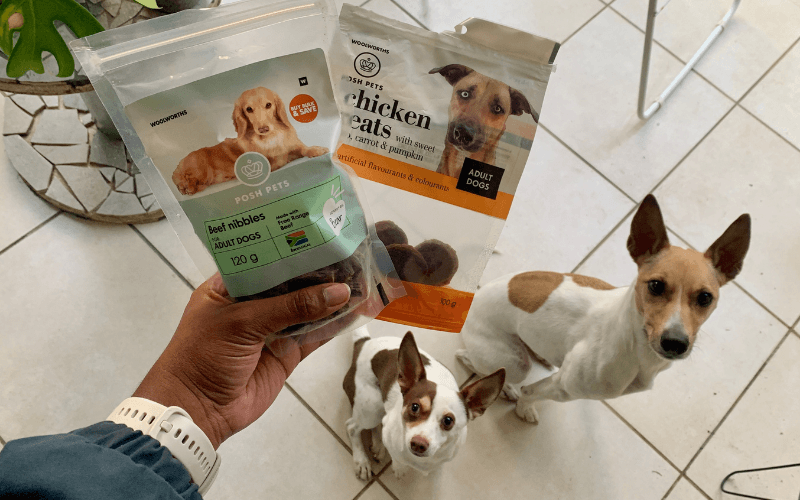
I love spoiling my dogs, sometimes for my own gratification, but even more so when they love the treats I’ve picked out for them during my grocery shopping. Over the years, I’ve constantly looked for new, healthy options that support Luna and Taner’s wellness without throwing their diet off balance. Here is how to navigate commercial brands, homemade options, and proper portion control to keep your pup thriving.
Key Takeaways
- Look for recognisable, single-source proteins rather than filler grains or generic meat byproducts.
- Treats should account for no more than 10% of your dog’s daily caloric intake to prevent weight gain.
- Steer clear of chemical preservatives (like BHA/BHT) and hidden sugars.
- Baking at home allows full control over ingredients and quality.
- Always speak with your veterinarian before introducing major dietary changes or high-fat snacks.
Understanding Your Dog’s Nutritional Needs
Treats should enhance your dog’s health, not undermine it. To avoid accidental weight gain or digestive upset, keep the 10% rule in mind: treats should make up no more than 10% of your dog’s daily calories, with the remaining 90% coming from a complete and balanced food.
When reading labels, look for snacks that contribute real nutritional value:
- High-quality protein: Supports muscle maintenance and repair.
- Healthy fats: Promote energy, a shiny coat, and skin health.
- Natural fibre: Aids digestion and helps your dog feel full.
How to Evaluate Store-bought Dog Treats
1. Identify Quality Proteins First
The first ingredient on the label should always be a specified protein since it makes up the largest portion of the treat.
Look for a named animal protein—such as chicken, beef, salmon, or lamb. Single-ingredient treats like 100% beef liver are an excellent choice.
Avoid generic terms such as meat meal, animal byproducts, or animal digest, as these lack quality control and consistent nutritional value.
Lastly, check the guaranteed analysis for a high crude protein content, especially in dried treats, as this usually indicates a more protein-rich snack.
2. Spot Fillers and Artificial Preservatives
Skip snacks heavily reliant on corn, wheat, or soy, which offer minimal nutrition and can trigger allergies. Additionally, avoid synthetic preservatives such as BHA (Butylated Hydroxyanisole), BHT (Butylated Hydroxytoluene), and ethoxyquin. Look for natural preservatives instead, such as mixed tocopherols (Vitamin E).
3. Choose Low-Calorie Options for Daily Repetition
If you’re training throughout the day, choose treats specifically labelled as training treats or low-calorie treats.
They’re usually smaller, making it easier to reward your dog multiple times without exceeding their daily calorie allowance.
Sometimes I simply break one larger treat into several tiny pieces. Luna and Taner don’t care whether the reward is big or small; they’re just happy they earned it.
Different Types of Healthy Store-Bought Treats
There are plenty of healthy options available today. Each serves a slightly different purpose.
Freeze-dried treats
These are usually made from a single ingredient, such as chicken, beef liver, or fish.
They’re highly nutritious, minimally processed, and perfect for training because dogs tend to find them irresistible.
Air-dried treats
Air drying preserves flavour while maintaining much of the food’s nutritional value.
Many premium brands use this method for meat-based treats.
Dehydrated treats
Dehydrated meat or fish treats are another excellent option, provided they don’t contain added salt, sugar, or artificial flavouring.
Dental chews
Dental treats can help reduce plaque buildup, but they shouldn’t replace regular tooth brushing.
Some are high in calories, so they’re best given in moderation.
Safe Human Foods That Make Great Treats
Sometimes the healthiest treats are already sitting in your kitchen.
These can work particularly well as high-value rewards during training.
Good options include:
- Boiled chicken
- Plain turkey breast
- Blueberries
- Apple slices (without the seeds or core)
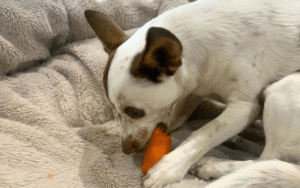
- Carrot sticks
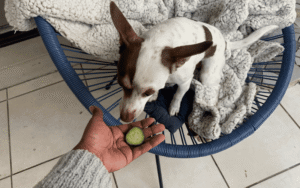
- Cucumber
- Beetroot
- Pumpkin
- Green beans
- Plain cooked sweet potato
Keep portions small and avoid seasoning, oils, butter, garlic, onions, or sauces.
Peanut Butter Warning
Many dogs love peanut butter.
Always read the ingredient list before offering it.
- Some brands contain xylitol (sometimes listed as birch sugar), an artificial sweetener that is extremely toxic to dogs, even in very small amounts.
Homemade Treats Have Their Benefits
I enjoy making homemade treats every now and then because I know exactly what’s going into them.
Homemade treats also allow you to adjust recipes if your dog has allergies or food sensitivities.
Simple recipes often use ingredients like:
- Oats
- Pumpkin
- Peanut butter (xylitol-free)
- Eggs
- Chicken
- Sweet potato
Just remember that homemade doesn’t automatically mean healthier. Portion sizes still matter.
Keeping Your Dog Treats Fresh
Storing Store-Bought Treats
Most commercial treats are packaged in resealable zip-lock bags or sturdy tubs that are specifically designed to keep them fresh. Once opened, it’s perfectly fine to continue storing the treats in their original packaging as long as you seal it properly after each use.
If you prefer a cleaner, more organised pantry, you can transfer the treats into an airtight container. I love doing this because it keeps everything looking neat while helping preserve freshness.
Just remember to keep the original packaging until the treats are finished. It contains important information such as the ingredients, feeding guidelines, batch number, and expiry date in case you ever need to refer to it.
Whichever storage method you choose:
- Keep treats in a cool, dry place.
- Avoid direct sunlight and heat.
- Close the container tightly after every use.
- Always check the expiry date before feeding.
Storage Tips for Homemade Treats
Homemade treats don’t contain the preservatives found in commercial products, so they need a little more care.
- Cool Completely – Allow baked treats to cool fully before storing them. Trapping warm treats inside a container creates moisture, which encourages mould.
- Refrigerate – Store homemade treats in an airtight container in the fridge for up to one week.
- Freeze Extras – If you’ve baked a large batch, freeze portions for up to three months. Simply thaw what you need over the next day or two.
Remember That Praise Matters Too
Food isn’t the only reward dogs value.
Many dogs are just as motivated by enthusiastic praise, a favourite toy, or a quick game of tug.
Mixing food rewards with verbal praise helps prevent overfeeding while strengthening your bond. It’s something I do regularly with Luna and Taner, especially once they’ve learned a behaviour well.