The Home Gardens (Blog) is reader-supported. When you buy through links on this page, we may earn an affiliate commission at no additional cost to you.
Key Takeaways
- Jack Russells have short, single-layer coats that do not trap heat well, making them more vulnerable to cold.
- Activity level and weather conditions (wind, moisture, sun) are just as important as the temperature reading.
- Always monitor your pup for signs of cold stress, like shivering or holding up a paw, and remove coats when inside to prevent overheating.
- A proper fit is essential for safety and mobility; look for coats that allow a full range of motion.
- Paw protection and indoor enrichment are key parts of winter wellness, in addition to a good coat.
If you own a Jack Russell Terrier, you’ve probably wondered if your energetic little rocket needs a coat when the temperature drops. It’s a reasonable concern; there’s nothing quite like watching your dog shiver on a cold morning walk and wondering if you could be doing more to help.
After testing various types of winter clothing on my own Jack Russell, I’ve found a balance that keeps Luna warm and comfortable without overheating during outdoor adventures.
Jack Russell Terrier’s Coat Type
Before we talk about keeping small dogs warm, we have to start with what they’re working with naturally. Most Jack Russells like my Luna have a short, single coat—meaning they lack the dense insulating undercoat that keeps breeds like Huskies warm in the snow. While their sleek, weather-resistant outer coat serves them well for dashing through underbrush, it offers minimal protection against winter winds and freezing temperatures.
Additionally, their small, lean body type means they lose body heat rapidly. Because they have less body fat and a high surface-area-to-volume ratio, they’re simply not built to retain warmth like larger, thicker-set dogs.
Do Jack Russells Need Winter Coats?
Jack Russells are small and muscular with a high metabolic rate, which keeps them energetic and lively. However, this also means they burn through energy quickly when exposed to cold, and their body temperature can drop faster than you might expect. Their proximity to the ground means they are also more directly exposed to cold surfaces, icy paths, and wind chill.
The American Veterinary Medical Association recommends that owners of short-haired, small-breed dogs take extra precautions in cold weather, including the use of protective clothing and limiting outdoor exposure during extreme conditions.
How to Tell if Your Dog Is Too Cold
It’s crucial to know when your dog is truly uncomfortable. According to the AAHA (American Animal Hospital Association), pets exposed to cold for extended periods are at risk for hypothermia and frostbite, especially on their ears, nose, paws, and tail.
Look for these common warning signs:
- Shivering or trembling, even during or after moderate activity.
- Lifting paws off the ground or refusing to walk.
- Whining, slowing down, or seeming reluctant to continue the walk.
- Hunching up, tucking the tail, or seeking to return indoors.
- Skin that feels cold to the touch, particularly around the ears and paws.
If your dog displays any of these behaviours, it is time to head inside and consider appropriate winter gear for future outings.
The Impact of Age and Health on Cold Tolerance
Senior dogs, puppies, and dogs with underlying health conditions are considerably more vulnerable to cold. Older dogs often have reduced circulation and may suffer from arthritis, which cold weather can significantly worsen.
Dogs recovering from illness or surgery, or those with conditions such as hypothyroidism or Cushing’s disease, may also have a reduced ability to regulate body temperature. These dogs may need a coat in temperatures that a healthy adult Jack Russell would tolerate comfortably.
Environmental Factors That Determine the Need for Warmth
Wind chill, humidity, and the specific conditions underfoot all play a role in how cold your Jack Russell actually feels during a walk.
Wind chill: Wind strips away the layer of warm air trapped near a dog’s skin, dramatically lowering the “feels-like” temperature. A 20 mph wind can make 35°F feel like 11°F to your pet.
Moisture: Wet or damp fur loses its insulating ability, and evaporation pulls heat away from the body. Rain, sleet, or even a heavy fog can make a huge difference.
Cloud cover: A sunny, cloudless day helps your dog stay warmer because the sun’s rays provide some radiant heat.
Given these factors, many experts suggest that small, short-haired breeds may need a coat when temperatures drop below 45°F (7°C), especially if they’ll be outside for more than a quick potty break. When temperatures fall below 32°F (0°C), a well-fitted winter coat is strongly recommended.
Choosing the Right Materials for Your Dog
Selecting the perfect coat that provides warmth without restricting the natural, frenetic energy of a Jack Russell means prioritising materials that are both durable and comfortable.
Waterproof versus Fleece-Lined Options
A waterproof outer shell is ideal for wet, snowy, or muddy conditions, keeping your Jack Russell dry and preventing the rapid heat loss associated with wet fur. Fleece-lined coats are better suited to dry, cold mornings, providing softness and warmth without the bulk of a heavy jacket. For year-round versatility, look for a waterproof coat with a fleece lining; this combination handles most of what a British or South African winter can throw at you.
Breathability and Comfort for Active Terriers
Jack Russells run hot when they are active, so breathability is just as important as insulation. A coat that traps too much heat during a brisk walk or play session can cause your dog to overheat, which is as dangerous as being too cold.
Look for technical fabrics that regulate temperature and wick moisture away from the body. Avoid very heavy or padded garments unless your dog is simply standing still in freezing conditions.
Proper Fit and Safety Considerations
A well-fitted coat makes all the difference between a dog who happily wears their gear and one who wriggles out of it at the first opportunity. Proper fit also prevents chafing and ensures your Jack Russell can move freely.
How to Measure Your Jack Russell
Before purchasing a coat, take measurements with a soft tape measure. You will need:
- Back length: from the base of the neck to the base of the tail.
- Chest girth: the widest point of the chest, just behind the front legs.
- Neck circumference: the base of the neck.
Most reputable brands provide a sizing guide based on these measurements. A coat that is too tight will restrict breathing and movement, while one that is too loose can catch on obstacles or trip your dog during a run.
Avoiding Chafing and Restricted Movement
A good coat should feel like a second skin, allowing your dog to run, jump, and play without restriction. Avoid bulky layers that stiffen movement. Check that the coat has ergonomic cuts around the shoulders to prevent chafing. The “two-finger rule” is a great test: you should be able to comfortably fit two fingers between the coat and your dog’s body at any point.
Ensuring the Coat Doesn’t Interfere with Bathroom Breaks
This is a practical but often overlooked detail! For male dogs, ensure the coat has a short belly cut that won’t get soiled during potty breaks. Many well-designed coats for active breeds take this into account.
Alternative Ways to Keep Your Dog Warm
Protecting your Jack Russell from winter’s worst isn’t only about coats.
Paw Protection
Dog’s paw pads are vulnerable to cracking, ice ball formation between the toes, and chemical burns from road salt and de-icing agents. The RSPCA recommends rinsing your dog’s paws with warm water after every winter walk to remove salt and grit. If your Jack Russell is reluctant to walk on frozen ground, consider applying paw wax or using dog boots. Paw wax creates a protective barrier against the elements and is far more easily tolerated by most dogs than booties.
Managing Exercise Routines During the Winter Months
Jack Russells need daily exercise year-round, but very cold or icy conditions may require some adjustments. Shorter, more frequent walks are often more appropriate than a single long outing on freezing days. Avoid walking on icy surfaces where possible, as dogs are just as susceptible to slips and falls as people. On particularly harsh days, indoor play sessions can substitute for outdoor exercise without leaving your dog restless or bored.
Indoor Enrichment Activities to Replace Outdoor Play
Mental stimulation is just as tiring as physical exercise for a Jack Russell. On days when it is too cold or unsafe to go out, try the following activities:
- Hide-and-seek games using favourite treats hidden around the house.
- Interactive puzzle feeders and snuffle mats to engage their problem-solving instincts.
- Indoor fetch using soft toys along a hallway.
- Tug-of-war sessions to burn off energy safely.
- Basic training refreshers; teaching or reinforcing commands is mentally demanding and
Common Mistakes to Avoid
Learning from a few common missteps can save you and your dog a lot of frustration.
Overheating Your Dog Indoors
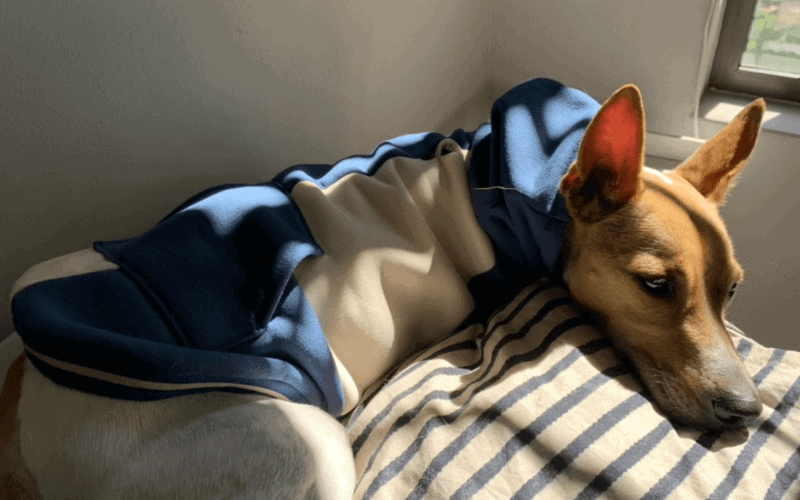
A major mistake is leaving a heavy coat on a dog inside your heated home. A winter coat that feels great in 25°F weather will quickly cause overheating at 70°F. Always remove your dog’s outerwear when you come back inside, and watch for signs of overheating like excessive panting, drooling, or restlessness.
Ignoring the Importance of Visibility at Night
Winter days are short, and many walks happen in low-light conditions. A dog wearing a dark coat can be virtually invisible to drivers on unlit roads. Choose gear with reflective strips, or invest in a separate reflective collar or vest. This is a small change that can significantly improve your dog’s safety on early morning and evening walks.
Why You Should Avoid Bulky Layers That Hinder Agility
It can be tempting to wrap your Jack Russell in the warmest, most padded coat available, but a stiff or overly bulky garment will make your active terrier uncomfortable and less willing to wear it. Prioritise fit and flexibility over sheer bulk, and choose the lightest weight of insulation that adequately meets the conditions you are walking in.
Striking the Right Balance
Keeping a Jack Russell Terrier comfortable in winter is about careful observation and thoughtful preparation rather than one-size-fits-all solutions. Their short coats, lean bodies, and proximity to the ground make them more sensitive to cold than many owners realise, but the right combination of a well-fitted coat, paw protection, adjusted exercise, and indoor enrichment will see them through even the most challenging winter months.
Pay attention to your dog’s individual cues. Some Jack Russells will barrel through a frosty morning without a second thought, while others will make their discomfort very clear from the first step outside. Your best guide is always your own dog. With a little preparation, winter walks can be just as enjoyable as any other time of year for both of you.