Key Takeaways
- There is no universal approach that works for every dog. Effective enrichment depends on each dog’s unique preferences, life stage, breed instincts, health, and abilities, making individualisation essential rather than optional.
- Enrichment is not just about keeping your dog busy. It must be safe, appropriate, and emotionally beneficial. There are tools available to help create activities that are stress free, build confidence, and meet emotional needs.
- Good enrichment is dynamic, not static. Observe your dog’s reactions, adjust activity difficulty, offer choice and agency, and lastly, introduce variety and novelty. This will help you create a system that keeps your dog engaged without causing frustration or boredom.
What is Individualised Dog Enrichment
Individualised dog enrichment is the practice of tailoring mental stimulation and activities to your dog’s unique likes, dislikes, wants, and needs, rather than following a “one size fits all” program. It recognises that every dog is an individual with unique preferences, varying health statuses, and distinct cognitive abilities.
Why is Individualised Dog Enrichment important
Individualised dog enrichment is important because there is no standardised enrichment program that works for every animal. Dogs are social and intelligent, but their individual variations in likes, dislikes, wants, and needs play a critical role in what they will actually enjoy.
Tailoring activities ensures that the enrichment is safe and suitable for your dog’s specific size, health status, and physical abilities to prevent potential trauma or injury. It is also essential for managing dietary needs, as food-based enrichment must be carefully subtracted from an individual’s daily food allowance to prevent obesity.
Considerations in individualised enrichment
From my research, individualised enrichment involves several key components:
Assessing the Individual Dog
To create an effective enrichment plan, you must consider factors specific to your dog:
- Life Stage: Your dog will need distinct types of stimulation in their different life stages. For example, young puppies benefit from foundational socialisation and basic commands, while senior dogs require lower-difficulty puzzles to slow cognitive decline without causing physical strain.
- Breed and Instincts: Furthermore, individualised enrichment taps into your dog’s specific ancestral instincts, such as herding, guarding, or tracking, which fulfil their need for a sense of purpose.
The MHERA Protocol
The MHERA protocol is a tool designed by Karin Pienaar. It helps us address our dog’s emotional needs by looking at their hedonic budget and emotional assessment. This protocol helps identify where specific “changes for the better” can be made to improve an individual dog’s well-being based on their unique emotional state.
Observation and Adjustment
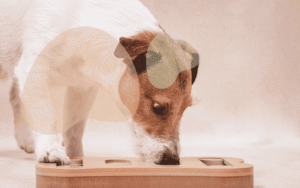
When you observe how your dog interacts with a task, you can identify signs of frustration and adjust the difficulty to ensure the activity builds confidence rather than stress.
You should ask yourself:
- Is my dog engaged and enjoying this activity?
- Do they seem confused or frustrated?
- Is this activity too difficult or too easy?
Observing these reactions allows you to identify your pet’s favourites and ensure they are comfortable. If they show signs of frustration, the task should be made easier; if they master it quickly, the challenge can be increased.
Choice and Agency
Individualised enrichment also means providing the dog with choices in their environment. This includes letting them choose:
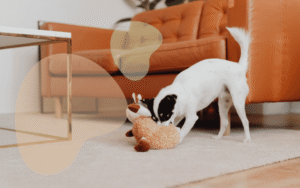
- Which toy to play with or which treat they prefer.
- Where they want to sleep (e.g., on a rug instead of a bed).
- Whether or not they want to interact with a person or another animal.
Giving your dog agency builds confidence and reduces stress because they feel a sense of control over their environment.
Variety and Novelty
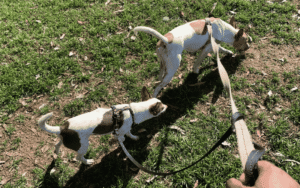
Because dogs can get bored with the same routine, individualised enrichment encourages rotating toys weekly to maintain interest and introducing small new experiences, such as a new walking route or different textures to walk on.
The goal is to provide variety that keeps your dog mentally engaged without overwhelming them.