
The Home Gardens (Blog) is reader-supported. When you buy through links on this page, we may earn an affiliate commission at no additional cost to you.
Bringing a second dog into your home is a significant step that will change your daily life in all possible ways. More cuddles, more laughs, more love to give, and if you work full-time in the office like me, your babies can take care of each other during the day.
But love and enthusiasm aren’t always enough. A few years ago, I had a massive itch to get a second dog to keep my one-year-old Jack Russell Terrier mix, Luna, company. When the opportunity arose to foster a two-year-old male Pekingese named Winter, I jumped on it without thinking it through. It quickly became an overwhelming lesson in what not to do, but it ultimately paved the way for successfully welcoming our second fur-baby, Taner, into the family.
Key Takeaways
- Evaluate your current daily schedule and availability to ensure you have enough time for two dogs.
- Assess your existing pet’s temperament and social skills to find a compatible companion.
- Get financially ready for double the vet bills, food costs, and supply expenses.
- Prepare your living space to accommodate the needs, feeding, and safety of an additional animal.
- Focus on the long-term emotional and practical benefits of a well-managed multi-pet household.
Assess Your Current Dog’s Personality
It’s tempting to picture two dogs romping happily through the yard together, but your current dog’s comfort and happiness have to come first. Before you start browsing adoption listings, take a clear-eyed look at who your dog already is.
Social Temperament and Play Style
Every dog has a unique social personality. Some are natural social butterflies; others are more selective. Pay attention during walks and park visits. Does your dog initiate play, or do they hang back?
When I brought Winter home, Luna had never even had the opportunity to meet him beforehand. I didn’t assess how a spunky, one-year-old Jackie would react to an adult dog suddenly occupying her entire world.
Identify Signs of Resource Guarding or Anxiety
Resource guarding means a dog protects things like toys, food, or spaces from others. If a dog gets stiff or growls, it’s a warning sign.
In our case, the dominance and anxiety issues didn’t just cause tension, they altered Luna’s behaviuor completely. Winter began asserting his dominance by sitting right by the door. Luna became so terrified to approach him to go potty outside that she began having stress-induced accidents in the house. When your resident dog is too afraid to move around their own home, it’s a clear sign that something has to change, and quickly. Sadly, we had to find Winter another foster family.
The Importance of a Neutral Ground Assessment
My Biggest Mistake: The introduction between Luna and Winter happened right inside our studio apartment.
Never introduce a potential new dog at your home for the first time. Your resident dog will naturally feel territorial on their own turf, which can skew the introduction toward conflict. The moment I put Winter down, he immediately began marking his territory by spraying on different corners and furniture around the house.
Instead, always arrange the first meeting in a neutral location—a quiet park or a shelter’s assessment yard works best. Keep both dogs on loose leashes, walk them parallel to each other at a comfortable distance, and let them approach naturally while watching for relaxed, wiggly body language.
Evaluating Your Lifestyle and Time Commitment
Love is not enough. A second dog requires a genuine increase in your daily time investment, and being honest about your schedule now prevents a lot of stress later. It’s essential to ensure you have the capacity to meet the needs of two pets.
Balancing Individual Training Needs
It might seem efficient to train two dogs together, but each dog benefits from individual attention, especially a new arrival who is still learning the rules of your household. Training separately also prevents your new dog from picking up bad habits from the other. It also gives your resident dog dedicated one-on-one time with you, which is important for their sense of security.
Managing Different Exercise Requirements
Two dogs rarely have identical energy levels. Your younger dog may want to run, while your older dog prefers a stroll. While walking them together is possible with the right equipment, it is wise to also plan separate activities. This ensures each dog gets the physical and mental stimulation they need without exhausting you or leaving one pet frustrated.
The Impact on Travel and Social Flexibility
Adding a second dog will inevitably affect your travel and social life. You’ll need to find pet-friendly spots that can accommodate two dogs, and reliable boarding or pet-sitting services will become more complex and expensive. Planning your trips well in advance and checking pet policies early will help you avoid surprises and enjoy your time away without worry.
The Financial Reality of a Second Dog
The emotional rewards of a two-dog household are real, but so are the costs. It’s worth building out a realistic budget before you fall in love with a dog at the shelter.
Routine Veterinary Care
Routine veterinary visits are a non-negotiable part of responsible pet parenting. You should research local dog vaccination costs to ensure you can cover the initial series for a puppy or the annual boosters for an adult dog. Beyond shots, remember to factor in monthly preventatives for heartworm, fleas, and ticks. These recurring expenses can sneak up on you if you aren’t tracking them closely.
Food and Everyday Supplies
It is easy to underestimate how much more food two dogs will consume. You will likely find yourself buying larger bags of kibble or more frequent cases of wet food, and higher-quality food for a senior dog, while a puppy gets a different formula, which adds up quickly over a year.
Don’t forget the smaller items that require replacement, such as chew toys, poop bags, and grooming supplies. Budgeting for these daily essentials helps prevent those mid-month surprises when you realise the treat jar is empty again.
Emergency and Unexpected Costs
Even healthy dogs get sick or injured. A single emergency vet visit can run anywhere from a few hundred to several thousand, depending on the situation. The best financial cushion is a dedicated pet emergency fund — aim to set aside a consistent monthly amount until you reach a comfortable reserve. Pet insurance is another option worth exploring, particularly for breeds prone to certain health conditions.
The Transition Period: What to Actually Expect
The first few weeks after bringing a new dog home are often the hardest. The excitement is real, but so is the chaos. Managing your expectations upfront makes the adjustment period far easier to navigate.
Your Resident Dog’s Adjustment
Your resident dog has been the centre of your world, and suddenly sharing that attention is a big ask. You may notice clinginess, increased time in their crate, or subtle behavioural shifts as they recalibrate. This is normal. Make sure your resident dog still gets dedicated one-on-one time with you every day — a solo walk, a training session, quiet time on the couch. That consistency is what helps them feel secure through the transition.
Training Regression
It is common for a dog’s manners to slip a bit during this time. If they forget commands or have accidents, do not panic. This is usually a stress reaction to the new situation. To get back on track, try these steps:
- Go back to basics. Treat your resident dog like they’re learning commands for the first time and rebuild the habit with positive reinforcement.
- Keep sessions short. Five to ten minutes of focused, positive training is more effective than long, frustrating sessions.
- Reward heavily. High-value treats remind your dog that listening to you is worth their while.
- Stay consistent. Rules that applied before the new dog arrived should still apply now.
Setting Realistic Expectations
In the first few months, there will be awkward moments, the occasional scuffle over a toy, and days when managing two dogs feels overwhelming. That’s normal. The dogs are learning a new social language, and you’re learning how to read and manage it. Consistency and patience will help your dogs adjust faster. Soon, the initial chaos will pass, and you will have a genuinely bonded pair of dogs who enrich each other’s lives.
Preparing Your Home and Life for a New Arrival
Space Constraints & Legal Approvals
If you live in a smaller space, like a studio apartment, layout and boundaries matter even more. Redundancy prevents conflict: you will need separate food and water bowls, separate feeding stations, and distinct safe spaces where each dog can decompress without the other present.
Furthermore, if you are renting or living in a complex, the preparation isn’t just physical, it’s administrative. You must ensure you have formal approval from your landlord or body corporate to house a second animal.
Trusting the Process
Though the experience with Winter was heartbreaking, my desire for a second dog didn’t die out. Later, I came across a picture of a Fox Terrier mix named Taner on the Kitty and Puppy Haven Facebook page. Because they are a formal, reputable shelter, they ensured the right procedures were followed so my past mistakes wouldn’t be repeated.
Before I could even meet Taner, they managed a rigorous screening process:
- They sent someone to do a thorough home inspection to ensure a studio environment was suitable for him.
- They required proof of body corporate approval for a second dog.
- They requested proof that Luna had all her vaccinations up to date and had completed puppy socialisation classes.
Once the documentation was finalised, we were invited to their facility for a controlled, neutral-ground assessment to see if Luna and Taner actually got along. The difference was night and day.

Pet-Proofing for Two
A home that was safe for one dog may present new hazards with two. A second dog may be smaller, more agile, or more curious than your first.
Do a fresh sweep: secure trash cans, move cleaning supplies out of reach, check for small objects that could be swallowed, and assess any plants for toxicity. Two dogs roughhousing can also dislodge items that one calm dog never would have touched.
Supervising Early Interactions at Home
Once you bring the new dog home, don’t rush shared free time. Use a baby gate or crate to create a buffer zone for the first several days. Remove high-value items — bones, favourite toys, food bowls — from shared spaces to eliminate resource competition. Be present for every interaction during this phase, and don’t hesitate to separate the dogs and try again later if tension rises.
Reading Body Language
Knowing dog body language is essential for multi-dog families. Dogs communicate through posture and movement. Watch for these signs to understand how your dogs are feeling:
- Loose, wiggly bodies: A great sign of relaxed and happy play.
- Stiff posture: If a dog freezes or becomes rigid, it is time to step in and separate them.
- Whale eye: Seeing the whites of their eyes often indicates anxiety or discomfort.
- Lip licking or yawning: Common signals that a dog needs a break.
Trust your instincts when watching them interact. If you feel the energy getting too high, it is perfectly okay to end the play session early. A little patience now will pay off with a lifetime of friendship between your dogs.
Common Behavioural Challenges
Managing two dogs in your household requires patience and good strategies. Even with the best plans, you may face some behavioural hurdles. This is normal.
Preventing Littermate Syndrome and Dependency
It is essential to ensure each dog develops its own personality and bonds with you, not just with each other. Littermate syndrome is a behavioural issue that can develop when two puppies from the same litter or same age are raised together, leading to extreme mutual dependence and poor social skills. To prevent this, give each dog “me time” away from their sibling. Take each dog on separate walks, practice commands individually, schedule one-on-one bonding time every day, and encourage independent play with puzzle toys.
Managing Jealousy and Attention-Seeking
It’s natural for your resident dog to feel displaced when a new dog arrives. Manage this by maintaining your resident dog’s established privileges and always acknowledging them first. Reward patience and calmness, and ignore pushy or attention-seeking behaviours rather than inadvertently reinforcing them.
Consistent Rules for Both Dogs
Consistency is the key to harmony in your home. Clear rules prevent confusion and bad habits. If one dog is not allowed on the couch, the other should not be allowed either, no matter their age or size. Following the same rules for both dogs helps create a peaceful, stable environment.
Signs You’re Ready for a Second Dog
Before adopting a second dog, be honest with yourself about your current situation. Adding a new pet is a major life change. If you feel confident about the following points, you are likely ready.
Your resident dog is well-trained and emotionally stable
They respond reliably to basic commands, settle calmly when you’re busy, and react neutrally or positively to other dogs on walks. A dog with unresolved behavioural issues will have a harder time adjusting to a new companion — resolve those first.
You have the emotional bandwidth
Adding a second dog means more patience, more energy, and more mental load — especially during the adjustment period. If you’re already stretched thin, it’s okay to wait. There’s no shame in recognising that the timing isn’t right yet.
Bringing a second dog into your life is a genuinely beautiful thing. Watching your two dogs develop their own friendship, their own rituals, their own shorthand with each other — it’s one of the more unexpectedly wonderful parts of pet ownership. But it’s a decision that deserves careful thought, not just enthusiasm.
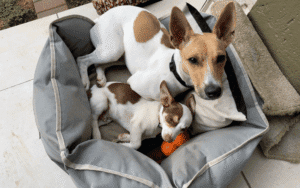
Taking the slow, right path with the shelter allowed us to build a safe, happy environment. Taner has been an absolute, joyful addition to our family since day one, and watching him and Luna build their own unique bond makes every bit of the preparation worth it.