The Home Gardens (Blog) is reader-supported. When you buy through links on this page, we may earn an affiliate commission at no additional cost to you.
Bath time is a hot topic; it often sends me down a rabbit hole of conflicting advice, especially for my chosen breeds. Ask ten dog parents at the park how often they wash their pups, and you’ll probably get ten different answers. The truth is, there’s no universal magic number. According to Dr Melody R. Conklin, VMD, MBA, a veterinarian with Zoetis, the right frequency “needs to be balanced with the dog’s individual lifestyle and conditions.”
That said, a few solid principles apply to almost every dog. As a general rule, for a dog that is in good health and not undergoing treatment for any active skin issues, a bath every four weeks is adequate. Armed with that starting point and a clear picture of your own dog’s breed, coat, age, and lifestyle, you can build a routine that keeps them clean, comfortable, and feeling their best.
Key Takeaways
- Breed and coat type are the biggest determinants of how often your dog needs a full bath.
- Bathing too frequently strips natural skin oils and can cause dryness, irritation, and infection.
- Grooming and bathing are related but different — most dogs benefit from weekly grooming maintenance regardless of bath frequency.
- Product choice matters, especially for dogs managing skin or health conditions. Always consult your veterinarian first.
- Dog odour tends to be more noticeable in warm, wet months — expect to adjust your routine seasonally.
Grooming vs. Bathing: An Important Distinction
Bathing and grooming are related but not interchangeable. All dogs need regular grooming — this includes trimming nails, brushing the coat, using de-shedding tools for thicker coats, and cleaning ears and skin folds. Most dogs benefit from a weekly “once over” to keep these basics under control, even when a full bath isn’t on the agenda.
A full bath, wet down, shampoo, and rinse, is a separate and less frequent event. Conflating the two is a common source of over-bathing. Your dog can be well-groomed and fresh-smelling without hitting the tub every week. As a rule of thumb, the happy medium for full baths ranges from once a week for certain special-needs breeds down to just a few times a year for others.
Understanding Your Dog’s Skin and Coat
Before setting a bathing schedule, it helps to understand what’s happening beneath the fur. Your dog’s skin produces natural oils that form a vital protective barrier — keeping it hydrated, repelling moisture and dirt, and giving a healthy coat its signature softness and shine. Bathe your dog too frequently, and you strip away those defences, leaving the skin exposed and prone to irritation.
Single-Coated vs. Double-Coated Breeds
The type of coat your dog has significantly changes your bathing approach:
- Single-coated breeds have continuously growing hair, similar to human hair. These dogs often benefit from more frequent grooming to prevent tangles and keep the underlying skin healthy.
- Double-coated breeds carry a dense undercoat that traps heat and moisture. This makes thorough drying after every bath essential — trapped dampness beneath the topcoat can lead to skin issues, hot spots, and persistent odour. These dogs typically need more de-shedding work than they do bathing. Always brush before you bathe to remove loose fur, and take your time drying them completely.
Factors That Shape How Often Your Dog Needs a Bath
Every dog lives a different life, and those differences matter. Here are the main factors to weigh when building a bathing schedule.
Lifestyle and Activity Level
A dog who loves swimming in the lake, rolling in mud at the dog park, or tearing through undergrowth on weekend hikes is going to need more frequent baths than one who mostly snoozes on the couch. For very active dogs that regularly play in dirt and mud, bathing every two weeks is a reasonable routine.
For a mellower, predominantly indoor dog, a bath every two to three months may be perfectly sufficient. Dogs who swim regularly may not need frequent full baths but should always be rinsed thoroughly with clean water after each swim — leaving chlorine, salt, or lake water in the coat causes irritation and dries out the skin.
Age and Life Stage
Age plays a surprisingly large role in bathing needs. Puppies and young dogs are enthusiastic dirt-seekers and typically need more frequent baths as a result. As dogs age, they tend to become less active and generally need fewer baths — usually just enough to keep body odour at bay. Grooming wipes work particularly well for senior dogs who may not need or tolerate a full bath as often.
It’s also worth noting that senior dogs can develop new hygiene challenges. Reduced mobility may mean they struggle to keep themselves clean, and some older dogs develop conditions like urinary incontinence that soil the coat. In these cases, daily spot-cleaning with wipes and more targeted grooming may become part of the routine, with full baths as needed.
Seasonal and Environmental Conditions
The seasons quietly shift your dog’s grooming needs. During warm, wet months, many dogs are more prone to greasy coats, doggy odour, skin allergies, and parasite exposure — all of which may call for more frequent bathing, sometimes with medicated products. Cold winters tend to bring drier skin and a less active dog, so it’s often wise to dial back the baths and switch to a gentler, moisturising shampoo. As a general point, dog odour is noticeably more pronounced in summer than in winter, so don’t be surprised if your schedule naturally shifts with the weather.
Skin Conditions and Allergies
Dogs with sensitive skin or diagnosed conditions need a more tailored approach, and the wrong product can make things considerably worse. Certain breeds, like Cocker Spaniels and Basset Hounds, are naturally prone to oily skin and benefit from more frequent bathing to prevent oil build-up. For dogs with itchy skin, colloidal oatmeal shampoos can provide meaningful relief. Dogs that don’t respond well to oral or topical parasite treatments may also need regular baths to help manage fleas and ticks.
If your dog is scratching frequently, has red or flaky patches, or seems consistently uncomfortable, check with your veterinarian before changing your bathing routine or products. They’ll advise whether medicated shampoos are appropriate and whether more or less frequent bathing is the right call.
Your Health and Home Environment
Sometimes more frequent bathing is less about the dog and more about the household. If you suffer from pet dander allergies, or if your dog regularly brings outdoor allergens inside, more frequent baths can genuinely help you breathe easier. And if your dog is allowed on the furniture or into the bed, keeping on top of bathing at the first sign of odour simply makes them nicer to share a home with.
Bathing by Breed and Coat Type
Breed is probably the single biggest determinant of bathing schedule. It’s not as simple as fur length, though — some hairless dogs require significant coat care, and some long-coated breeds are surprisingly self-maintaining. As a rule, the larger the dog and the longer the coat, the more grooming effort is generally involved, although this doesn’t always mean more baths. Here’s how to think about it by coat category:
Short-Haired Breeds
Short-coated dogs like Boxers, Beagles, and Labrador Retrievers are relatively low-maintenance on the bathing front. Their fur doesn’t trap dirt the way longer coats do, and healthy short-haired dogs can typically go one to three months between baths. That said, over-bathing is still a real risk — too much washing strips their natural oils just as readily. Between baths, a quick wipe-down with a grooming wipe is often all you need.
Long-Haired and Curly-Coated Breeds
According to the American Kennel Club, long-haired and curly-coated breeds generally need bathing at least once every four to six weeks, with regular brushing in between to prevent matting. Breeds like Golden Retrievers, Shih Tzus, Poodles, and Collies fall into this category. Mats and tangles aren’t just an aesthetic problem — they trap moisture and bacteria against the skin, causing painful irritation. Always brush thoroughly before bathing; water tightens knots and makes them significantly harder to remove.
Double-Coated Breeds
Breeds like Labrador Retrievers, Siberian Huskies, and German Shepherds carry dense undercoats that do a great deal of the dirt-catching work themselves. These dogs often need more de-shedding than bathing. When you do bathe them, thorough drying, reaching all the way through the undercoat, is non-negotiable. Trapped moisture beneath a double coat is a direct path to hot spots and skin infections.
Hairless Breeds
Hairless breeds like the Chinese Crested and Xoloitzcuintli look low-maintenance but actually require significant coat care. Without fur to absorb oils and protect against environmental exposure, their skin is directly exposed to dirt, sun, and bacteria. The AKC recommends weekly bathing for hairless breeds to prevent clogged pores and infection. Always use a gentle, pH-balanced shampoo formulated for sensitive skin, and follow up with a dog-safe moisturiser if your vet recommends it.
Oily-Skinned Breeds
Some breeds, notably Cocker Spaniels and Basset Hounds, have naturally oilier skin than most. This tendency toward sebum build-up means they can develop greasy coats and noticeable odour relatively quickly and generally benefit from more frequent bathing than the average short-haired dog. If your dog falls into this category, a degreasing or clarifying dog shampoo formulated for oily skin can make a real difference.
Signs Your Dog Is Due for a Bath
Rather than following a rigid calendar, learn to read your dog’s cues. The clearest signals that it’s bath time include:
- A persistent “doggy” odour that doesn’t dissipate with brushing or a quick wipe-down. You’ll learn your dog’s normal smell — a notable change is a reliable indicator.
- Visible dirt, mud, or debris in the coat, especially around the paws, belly, and behind the ears.
- A greasy or sticky texture when you run your hands through the fur, indicating a build-up of skin oils or environmental residue.
- A dull, flat coat that has lost its usual shine and softness.
- Bath time is also a valuable opportunity to monitor your dog’s health up close. Running your hands through a wet coat makes it much easier to spot early trouble — unusual lumps, redness, swelling, or external parasites like fleas and ticks. Make it a habit to check paws, ears, and skin folds at every bath.
The Risks of Over-Bathing
It’s a common misconception that more baths mean a cleaner, healthier dog. In reality, bathing too often does measurable harm:
Stripped natural oils. Frequent washing removes the protective oils the skin needs to stay hydrated and resilient.
Dry, dull, itchy skin. Without the natural oil barrier, the skin becomes flaky and irritated — you may notice your dog scratching more or the coat losing its lustre after baths.
Increased infection risk. A compromised skin barrier makes it easier for bacteria and yeast to take hold, potentially requiring veterinary treatment.
The most reliable approach, however, is to bathe your dog when they genuinely need it — not on a reflexive schedule.
Brushing Does Wonders for Dog Hygiene
Regular brushing is arguably the single most impactful thing you can do for your dog’s coat and skin health between baths. It removes loose fur, dander, and trapped debris, all of which contribute to that familiar “doggy” smell, while distributing natural oils evenly through the coat.
How often you brush depends on coat type:
- Long-coated breeds should be brushed daily to prevent tangles and mats.
- Short-coated breeds benefit from at least weekly brushing.
- Double-coated breeds need their undercoat worked through with a dedicated de-shedding tool, particularly during seasonal shedding periods.
- Mixed-breed dogs benefit from brushing a few times a week. When in doubt, brush it out.
Tools and Products Worth Having
Having the right kit on hand makes bath time safer and more effective. Before stocking up, it’s worth a quick conversation with your vet to make sure your choices suit your specific dog. Here’s what’s worth keeping at home:
- pH-balanced dog shampoo (oatmeal-based formulas tend to work well across most skin types; avoid human shampoos)
- Conditioner or moisturising rinse for breeds that need extra hydration, or when bathing more frequently than once a month
- Waterless shampoo for in-between refreshes without a full bath
- Grooming wipes for spot-cleaning paws, underbellies, and skin folds between baths
- Slicker brush for the topcoat, removing loose fur and surface debris
- De-shedding tool for pulling loose hair from the undercoat on double-coated breeds
- Metal comb for checking and working out mats before they hit the water
- Nail trimmers for keeping nails in check as part of regular weekly grooming
- Ear cleaner (ask your vet whether your dog needs a standard or prescription formula)
- Non-slip bath mat to give your dog stable footing and reduce bath-time anxiety
- Absorbent towels for the bathing area floor (to prevent slipping) and for drying off
- Hair dryer on a cool or low setting — particularly useful for thick or long-coated breeds; always keep it moving and at a safe distance from the skin
How to Give Your Dog a Stress-Free Bath
With a little preparation, bath time can become a calm, even enjoyable ritual rather than a wrestling match. Here’s a straightforward step-by-step:
Prepare the space first. Gather your shampoo, towels, brush, and treats before you bring your dog in. Place a rubber mat in the tub and remove anything breakable from the area.
Brush before getting wet. Work through any tangles or mats with your slicker brush and metal comb. Water tightens knots, so skipping this step can turn a routine bath into a painful detangling session.
Use lukewarm water. Test the temperature on your wrist first. Wet your dog thoroughly from the neck back, keeping water out of ears and eyes.
Lather from neck to tail. Apply a small amount of shampoo and work it gently into the coat, massaging down to the skin. A lick mat with peanut butter suctioned to the tub wall is a brilliant distraction for anxious dogs.
Rinse thoroughly. Any shampoo residue left in the coat causes itching and irritation. Keep rinsing until the water runs completely clear.
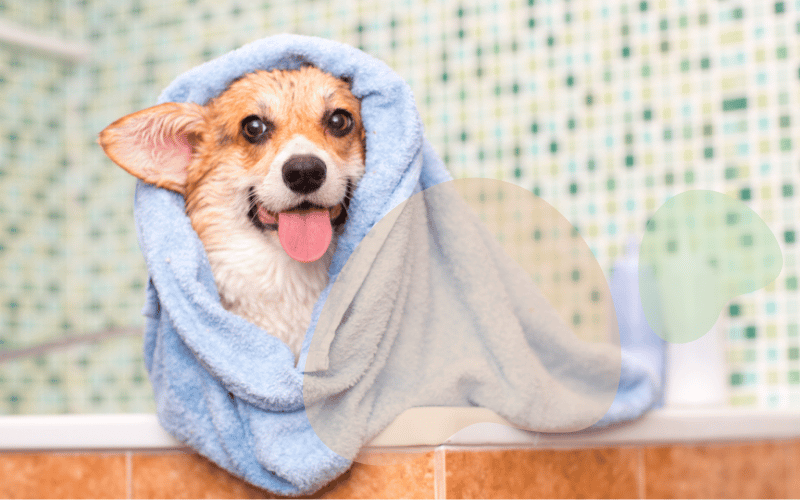
Dry carefully. Let your dog shake off, then towel dry with gentle patting motions. For long or curly-coated dogs, brush through the damp coat to prevent mats from forming as it dries. If using a hair dryer, keep it on cool and keep it moving.
Reward generously. Treats, praise, and a good play session after the bath build positive associations over time. This investment pays real dividends.
Keeping Your Dog Fresh Between Baths
Full baths aren’t the only tool in your hygiene kit. A few simple habits keep your dog smelling good and feeling comfortable between washes, without tipping into the territory of over-bathing.
Waterless shampoos and grooming wipes are perfect for a quick refresh after a muddy walk or active day. Keep a pack of pet-safe wipes near the door for routine paw wipe-downs.
Regular brushing removes the trapped fur, dander, and debris that contribute to most of that “doggy” smell. It’s one of the most effective things you can do for coat health between baths.
Clean bedding and living areas make a surprising difference. Even a freshly bathed dog will start to smell if they’re sleeping on stale, unwashed bedding. Wash your dog’s bed covers every two weeks and vacuum their favourite spots regularly.
When to Call in a Professional Groomer
Many pet parents take their dogs to a professional groomer on a regular basis, and for good reason. If you want a specific haircut, it’s time for a seasonal shave-down, or your dog has developed tight knots or rolled in something particularly sticky, groomers have the tools, training, and temperament to handle it safely. Good coat care is not purely cosmetic — it’s critical to your dog’s health, and there’s no shame in outsourcing the heavy lifting.
If bath anxiety is a persistent problem, a groomer experienced with nervous dogs is also a perfectly sensible option. Professional groomers can often desensitise anxious dogs over time in ways that are difficult to replicate at home.
Grooming as a Long-Term Health Practice
Good grooming habits are about far more than aesthetics. A consistent routine gives you regular, hands-on time with your dog that makes it much easier to catch early signs of health problems — a new lump, a developing ear infection, a tick hiding beneath thick fur, or a nail that has grown too long. Most dogs benefit from a weekly “once over” to check nails, ears, and coat, even when a full bath isn’t on the schedule.
When in doubt about what’s right for your specific dog, your veterinarian is always the best resource. They can account for your dog’s breed, age, skin health, and lifestyle in a way that no general guide fully can. If you’re ever uncertain, ask — it’s one of the easier conversations to have at a routine check-up.