The Home Gardens (Blog) is reader-supported. When you buy through links on this page, we may earn an affiliate commission at no additional cost to you.
Key Takeaways
- Small dog breeds have less body mass and struggle to retain heat in freezing temperatures.
- Physical signs, such as shivering, paw-lifting, or reluctance to walk, indicate that your dog is too cold.
- Wind chill and humidity can make conditions feel significantly colder than the thermometer suggests.
- Proper winter clothes — including a well-fitted coat and paw protection — help prevent hypothermia during outdoor exercise.
- Your dog’s age, health, coat type, and activity level all influence how much warmth they need.
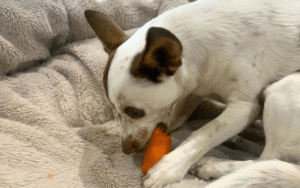
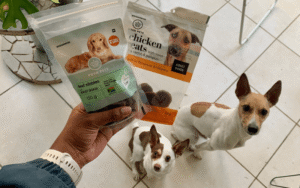
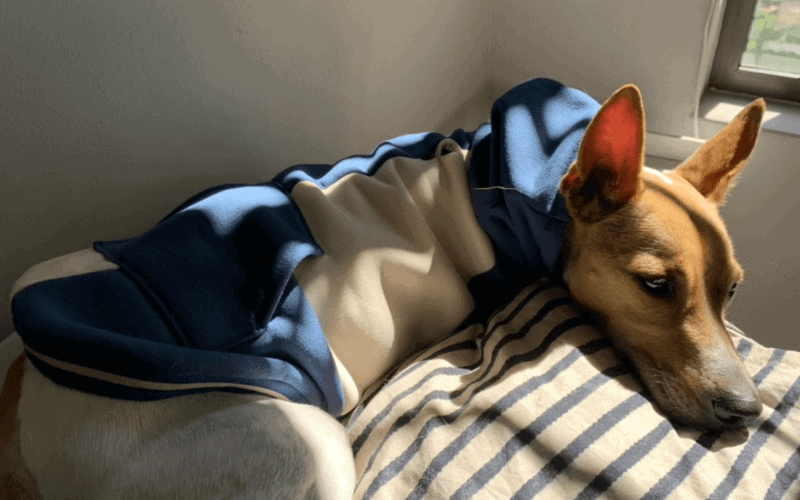
If your household is anything like mine, you know that not all dogs are built for the elements. My Taner is a chocolate and white wire-haired fox terrier with a dash of Chihuahua—a combination that makes him a proud, pint-sized Taco Terrier. He weighs almost half of what his spunky Jack Russell sister, Luna, does. And while he is always keen to tag along on an adventure with her, his enthusiasm vanishes the second the temperature drops. Taner is simply not a fan of the cold, or honestly, anything even resembling a chill.
When winter sets in, it is entirely natural to worry about how our smaller, short-coated companions are coping. You might notice your Taco Terrier shivering on a morning walk, or flat-out hesitating at the front door, looking up at you as if to say, “Absolutely not.”
Let us break down the actual physiology behind your Taco Terrier’s low cold tolerance, the environmental factors you need to watch out for, and how to choose coats so your little assistant adventurer can stay cosy all season long.
Understanding the Taco Terrier physiology
The Taco Terrier is a hybrid of the Chihuahua and the Rat Terrier — two breeds with notably different cold-weather profiles. Because your dog draws from both gene pools, their thermal tolerance can vary considerably from one individual to the next. Gaining an understanding of each parent breed’s characteristics is the best place to start.
The Chihuahua influence
Chihuahuas are one of the smallest dog breeds in the world, typically weighing between two and six pounds. Their compact frame gives them a high surface-area-to-volume ratio, which means they lose body heat quickly. They also have very little subcutaneous fat and a thin, single-layer coat that provides minimal insulation. As a result, Chihuahuas are widely recognised as one of the breeds most sensitive to cold weather, and they often benefit from a coat even in mildly cool conditions.
The Toy Fox Terrier coat
On the other hand, the Toy Fox Terrier parent may offer slightly more protection. Their coat is denser and provides more Rat Terrier warmth than a typical Chihuahua. That said, their short hair still leaves them vulnerable to biting winds and damp conditions, particularly during prolonged outdoor activity.
Why hybrid breeds have unique thermal needs
Because Taco Terriers are a crossbreed, they don’t always follow the standard rules for either parent breed. One dog might inherit the Chihuahua’s sensitivity to cold almost entirely, while another leans more toward the Rat Terrier’s sturdier build. This genetic variability makes it especially important to observe your individual dog rather than relying solely on breed generalisations.
Do Taco Terriers need coats in winter?
The short answer is: it depends. Factors like age, health status, body condition, and activity level all play a role in how well your dog handles the cold. A fit, energetic young adult may generate enough body heat to stay comfortable on a brisk walk, while a senior dog or one recovering from illness may need extra insulation even in moderately cool temperatures.
Signs Your Dog Is Too Cold
Your dog’s body language is your most reliable guide. Watch for:
- Shivering or trembling
- Lifting paws off the ground or refusing to walk
- Hunching the back or tucking the tail
- Seeking shelter or trying to turn back toward home
- Slowing down significantly on walks
If you notice any of these signs, head inside as quickly as you can or add a warm layer before continuing. The American Kennel Club (AKC) advises that small dogs, puppies, elderly dogs, and those with health conditions are particularly susceptible to the cold and often benefit from protective clothing in winter.
The Role of Body Fat and Metabolism
Body composition matters too. A dog with more body fat has better natural insulation, while a leaner dog will feel the cold more acutely. Dogs also burn more calories in winter simply to maintain their core temperature — something worth keeping in mind when planning their diet. Dogs with higher metabolic rates tend to stay warmer, while older dogs with slower metabolisms often need more help.
Environmental Factors That Affect Cold Tolerance
Temperature alone does not tell the full story. Where and how your dog spends time outdoors matters just as much.
Temperature Thresholds for Small Breeds
Generally, most small dog breeds begin to feel uncomfortable when temperatures drop below 7°C (45°F). Below 0°C (32°F), the risk of hypothermia and frostbite becomes a genuine concern, particularly for dogs with thin coats. Veterinary guidance from sources like PetMD suggests that small or short-haired dogs should not be left outside in these conditions for extended periods without protection.
Wind Chill and Humidity
Checking the air temperature alone is a common mistake. Wind chill can make conditions feel significantly colder than the thermometer suggests, stripping away the thin layer of warm air that naturally accumulates around your dog’s body. Similarly, wet or humid conditions reduce the insulating effectiveness of your dog’s coat. On a damp, windy day, a coat becomes far more important than on a still, dry day of the same temperature.
Indoor vs. Outdoor Lifestyles
A dog that spends most of its day in a warm house will have less acclimatisation to the cold and may feel the transition outdoors more sharply. If your Taco Terrier is primarily an indoor dog, err on the side of layering up before heading out, especially in the early months of winter before they’ve had time to adjust.
Selecting the Right Winter Gear
Finding the right coat for a small, narrow-chested dog like the Taco Terrier takes some care. The goal is warmth and freedom of movement — not just coverage.
Warmth Without Overheating
Look for fabrics that provide insulation while still allowing airflow. Fleece-lined coats with a water-resistant outer shell are a popular choice because they trap warmth without causing overheating during active walks. Natural fibres like wool offer excellent insulation, while high-quality synthetic blends can be lighter and easier to clean. Avoid heavy, stiff materials that restrict movement.
Getting the Fit Right
Fit is critical. A coat that is too tight will restrict your dog’s range of motion and cause discomfort, while one that is too loose allows cold air to seep in and can snag or trip your dog. The coat should cover the back from the base of the neck to the base of the tail, and wrap snugly around the chest and belly without pinching. Check that the fabric does not rub along the armpits or inner legs, which can irritate during longer walks.
Safety Features to Look For
When choosing winter apparel, a few functional details make a real difference:
- Reflective strips: Winter days get dark early. Reflective panels make your dog visible to drivers and cyclists, which is a non-negotiable safety feature for evening walks.
- Harness access: Look for a coat with a reinforced opening or Velcro flap that allows easy attachment of a leash to a harness underneath. This keeps your dog secure without having to wrestle with the coat each time.
- Easy on and off: Velcro closures or wide-opening designs make dressing a wriggly dog far more manageable.
- Beyond the Coat: Other Ways to Keep Your Dog Warm
- Paw Protection on Icy Surfaces
Your dog’s paws are directly in contact with the ground, which means they are exposed to ice, snow, and road salts that can cause cracking, burns, and irritation. After every winter walk, check between the toes for ice balls and wipe the paws with a warm, damp cloth to remove any salt or chemical residue.
Dog booties provide excellent protection on icy surfaces and are worth the investment if your dog will tolerate them. If booties are not well-received, a quality paw wax — applied before walks — creates a protective barrier and helps moisturise the pads.
Indoor Warmth and Bedding
Even indoors, cold drafts near doors, windows, and floors can make small dogs uncomfortable. Move your dog’s bed away from drafty spots and consider adding a fleece blanket. Self-warming beds that reflect body heat to your dog are an excellent option for Taco Terriers who feel the cold at night, and they require no electricity to operate.
Winter Nutrition
Dogs expend more energy maintaining their body temperature in cold weather, which means their caloric needs can increase during winter months. Talk to your vet about whether a modest increase in food — particularly foods rich in quality fats and proteins — is appropriate for your dog’s size and activity level. Be mindful of weight gain, as extra body fat can strain joints, particularly in older dogs.
Common Mistakes When Dressing Your Dog
Overheating
It is easy to overdress a small dog with the best of intentions. Dogs can not easily communicate when they are too warm, so watch for panting, restlessness, or attempts to shake off the coat. The goal of winter apparel is to maintain a comfortable temperature, not to overheat your dog. Remove layers promptly when you return indoors, and always check the skin for redness or excessive heat after a walk.
Restricting Movement With Bulky Layers
Thicker does not always mean warmer or better. A coat that is too stiff or heavy can impede your dog’s natural gait, make them reluctant to run or play, and even cause anxiety. Choose lightweight, well-insulated materials that allow a full range of motion. If your dog seems to trip, walk stiffly, or hesitate when wearing a coat, the fit or weight is likely the issue.
Neglecting Grooming Under Clothing
Wearing a coat does not mean grooming takes a back seat. Trapped fur can mat quickly, especially in damp conditions, causing skin irritation and discomfort. Follow these steps to keep your dog’s coat and skin healthy:
- Brush your dog thoroughly before putting on any winter gear.
- Remove clothing as soon as you return indoors to let the skin breathe.
- Check for signs of matting or irritation during your regular grooming routine.
- Keep the coat clean — a dirty coat can trap bacteria and rub against sensitive skin.
Training Your Dog to Accept Winter Apparel
At first, your dog might find the sensation of wearing a coat strange. They may freeze in place, try to wriggle free, or simply look miserable. This is completely normal and, with patience, most dogs come to accept — and even enjoy — getting dressed for a walk.
Positive Reinforcement
Introduce the coat gradually using positive reinforcement. Let your dog sniff and investigate the coat before putting it on, and reward calm or curious behaviour with treats and praise. Pair the coat with enjoyable activities — a favourite toy, a short training session, or a walk your dog loves. Over time, the coat becomes a predictor of something good, rather than something to resist.
Gradual Desensitisation
Start with very short wearing sessions of just a few minutes indoors, then gradually increase the duration over several days. Keep sessions positive and stress-free. If your dog seems genuinely distressed, shorten the session and end on a good note rather than pushing through. Consistency and calm persistence will get you there faster than rushing.
Troubleshooting Resistance
If your dog consistently resists the coat, first check that the fit is not causing discomfort — a tight underarm seam or a collar that rubs can make the experience genuinely unpleasant. If the fit is fine, return to shorter sessions with higher-value rewards. Some dogs respond better to a snood or jumper than a full coat, so it may be worth experimenting with different styles.
Keeping your Taco Terrier comfortable in winter is really about paying attention. Their genetic makeup gives them a moderate cold sensitivity, but individual variation — age, health, coat density, and temperament — means there is no one-size-fits-all answer. Watch your dog closely, invest in well-fitted gear, protect those paws, and adjust based on how they respond.
Winter walks can be one of the most enjoyable parts of dog ownership. With a little preparation, both of you can make the most of the season. Stay warm — and give your pup an extra cuddle from us.