Key Takeaways
- Mental stimulation for dogs prevents unwanted habits.
- Interactive games help channel excess energy into positive activities.
- Using dog puzzle toys can significantly reduce stress and anxiety.
- Consistent engagement leads to better behaviour and improved focus.
- Enrichment activities contribute to your animal’s overall happiness.
Providing consistent dog enrichment through dog puzzle toys is an effective way to manage challenging dog behaviour. When your dogs lack appropriate outlets for their energy, they resort to unwanted actions to pass the time. Dog puzzle toys introduce structured mental challenges. When you introduce structured mental challenges, you can help your dog channel their focus into productive play rather than creating chaos in the home.
What Causes Dog Boredom and Destructive Behaviour
Beneath the surface of every household pet lies a complex set of ancestral instincts. Providing adequate mental stimulation for your dog is not a luxury; it is a biological necessity for their long-term health. When these needs are ignored, it often leads to unwanted changes in their behaviour that can frustrate even the most patient dog parents.
Understanding the Natural Instincts of Dogs
Domestic dogs are descendants of wild predators who spent most of their waking hours foraging and hunting. Their brains are hardwired to solve problems and seek out rewards in their environment. When we provide food in a simple bowl, we inadvertently remove the challenge that their minds crave.
Without an outlet for these natural drives, dogs often become restless. They may attempt to satisfy their hunting instincts by scavenging through rubbish or chasing shadows. Providing puzzles allows them to engage their senses in a way that feels natural and rewarding.
The Link Between Lack of Stimulation and Anxiety
A lack of engagement often manifests as dog separation anxiety, which can be distressing for both you and your fluff. When your dog has no constructive way to spend their energy, they can develop obsessive habits to cope with the stress of being alone. This cycle of frustration can quickly escalate into chronic anxiety.
Mental exhaustion is just as important as physical exercise for maintaining a calm temperament. Keep your dog’s mind occupied to help them feel secure and satisfied. This proactive approach prevents the build-up of nervous energy that typically leads to destructive outbursts.
Identifying Signs of a Bored Dog
Detection is always better than a cure. It is vital to identify early signs of dog boredom before they escalate into household damage. If you notice your pet acting out, look for these common warning signs:
- Excessive or repetitive barking at nothing.
- Pacing around the house or inability to settle.
- Destructive chewing on furniture, shoes, or skirting boards.
- Digging at carpets or scratching at doors.
- Increased vocalisation when you prepare to leave the house.
Recognising these behaviours early allows you to intervene before they become ingrained habits. By introducing interactive challenges, you can redirect their focus toward positive activities. This simple shift can transform your dog’s daily experience and restore peace to your home.
Why a Dog Puzzle Toy is an Essential Tool for Mental Health
Beyond mere entertainment, a dog puzzle toy serves as a cornerstone for long-term canine wellness. While many owners focus primarily on physical walks, your pet’s internal world requires just as much attention to thrive. By integrating these tools into your daily routine, you provide a structured way to support your companion’s emotional and psychological needs.
Cognitive Benefits of Problem-Solving
Engaging in canine problem-solving is essential for maintaining a sharp mind throughout your dog’s life. When a dog interacts with a puzzle, they must navigate obstacles to reach a reward, which actively promotes cognitive development. This process encourages neural pathways to fire, keeping the brain agile and resilient against age-related decline.
Mental Stimulation Exhausts Dogs More Than Physical Exercise
It is a common misconception that only long runs can tire out a high-energy pet. Living with terrier breeds, I am also guilty of this.
In reality, mental stimulation is the sweet spot to deplete your dog’s energy reserves. The scientific consensus suggests that fifteen minutes of intense, focused brain work can be as exhausting for a dog as an hour of physical exercise.
| Activity Type | Primary Benefit | Energy Expenditure |
|---|---|---|
| Physical Walk | Cardiovascular Health | Moderate |
| Puzzle Solving | Cognitive Development | High |
| Training Session | Obedience & Focus | High |
Building Confidence Through Independent Play
Providing a dog puzzle toy also helps relieve anxiety in nervous pets. When a dog successfully solves a challenge on their own, they experience a surge of dopamine and a boost in self-assurance. This independent play helps them feel more secure in their environment, reducing the need for constant human reassurance. When you foster canine problem-solving skills, you help your pet become more adaptable to new situations. Consistent mental stimulation for dogs creates a calm, confident temperament that benefits the entire household. Ultimately, investing in these tools is a proactive step toward better dog anxiety relief and long-term happiness.
Types of Puzzle Toys and Their Specific Functions
There are numerous dog enrichment tools on the market. To find the best option for you and your dog, you need to understand how each design works.
When you know the specific mechanics of each dog puzzle toy, you can better tailor your selection to your pet’s unique personality and energy levels.
Treat-Dispensing Balls and Wobblers
These dynamic interactive dog toys are designed to keep your pet moving while they work for their reward. As your dog nudges, rolls, or paws at the toy, it releases small portions of kibble or treats. This movement-based approach is excellent for high-energy dogs who need to burn off steam. It encourages active engagement and keeps them focused on the task at hand for longer periods.
Stationary Puzzle Boards and Sliders
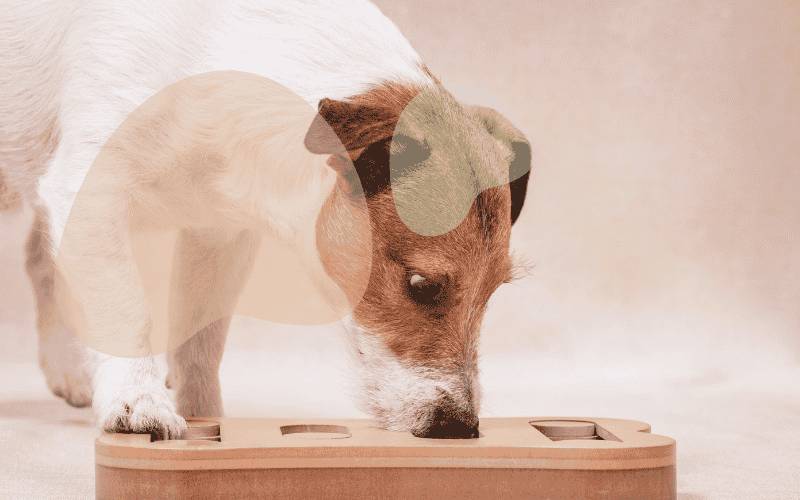
If you are looking for a more cerebral challenge, stationary boards are an ideal choice. These tools often feature compartments, flaps, or sliding tiles that require your dog to use their nose or paws to uncover hidden snacks.
Many of these designs double as slow-feeder toys, which are perfect for fast eaters who need to pace themselves during meal times. These boards promote better digestion and provide a satisfying outlet by slowing consumption and encouraging canine problem-solving.
Plush Hide-and-Seek Toys
For dogs that prefer a softer touch, plush hide-and-seek toys offer a different kind of stimulation. These sets typically include a larger base item, such as a burrow or a tree trunk, filled with smaller squeaky toys.
Your dog must figure out how to extract the smaller pieces, which taps into their natural hunting instincts. This type of dog puzzle toy is particularly effective for building confidence in more timid pets, as the reward is immediate and highly gratifying.
Whether your dog is a high-speed problem solver or a gentle explorer, there is a perfect tool to enhance their daily mental enrichment.
Selecting the Right Puzzle Toy for Your Dog’s Breed and Temperament
Selecting the right puzzle toy requires thoughtful consideration of your dog’s specific needs and habits. When you choose a toy that aligns with your pet’s instincts, you effectively combat dog boredom while keeping them happily occupied. It is essential to consider their unique personality to ensure the experience remains rewarding rather than stressful.
Assessing Your Dog’s Chewing Style
Before purchasing a new toy, observe your pet’s dog play habits during regular sessions. Some dogs are gentle explorers who prefer to nudge and lick, while others are persistent chewers who want to dismantle everything in their path.
- Gentle players: Often enjoy plush or fabric-based puzzles that require soft interaction.
- Moderate chewers: Benefit from durable rubber or hard plastic toys that withstand consistent pressure.
- Power chewers: Require heavy-duty, non-toxic materials designed to resist aggressive gnawing.
Matching Difficulty Levels to Your Dog’s Intelligence
The goal of any enrichment tool is to support cognitive development in dogs without causing unnecessary agitation. If a puzzle is too complex, your pet may give up quickly, leading to disinterest. Conversely, a toy that is too simple will fail to provide the mental challenge they crave.
Start with beginner-level puzzles to build confidence and gradually increase the complexity as your dog masters each stage. Watching your dog succeed is a wonderful way to bond, so offer praise and encouragement as they learn to navigate new challenges.
Safety Considerations for Different Sizes
Size is a critical factor in canine problem-solving and overall safety. A toy that is too small poses a significant choking hazard, especially for larger breeds that might accidentally swallow pieces. Always check the manufacturer’s weight and size recommendations before making a purchase.
Ensure the toy is large enough that it cannot be lodged in the back of the throat or swallowed whole. Regularly inspect your dog’s toys; if you notice cracks, missing pieces, or loose parts, remove the item immediately to prevent injury. By prioritising safety, you create a secure environment where your dog can thrive and explore their natural curiosity.
Integrating Puzzle Toys into Your Daily Routine
Integrating puzzle toys into your daily life provides the structure your dog craves for a balanced lifestyle. By turning playtime into a predictable habit, you offer consistent mental stimulation for dogs that keeps them engaged and happy. This simple shift in your schedule can prevent boredom before it even begins.
Using Puzzles During Meal Times to Slow Down Eating
Many owners find that using slow feeder toys during breakfast or dinner transforms the entire meal experience. Instead of gulping down food in seconds, your dog must work to retrieve each bite. This process naturally aids digestion and prevents the discomfort associated with eating too quickly.
Beyond physical health, this method is a powerful tool for relieving dog anxiety. The focus required to solve the puzzle helps calm an overactive mind. It turns a routine task into a rewarding activity that leaves your pet feeling satisfied and relaxed.
Managing Separation Anxiety When You Leave the House
One of the most effective dog training tips involves using high-value puzzles right before you head out the door. Providing a challenging toy can distract your pet from the stress of your departure. This helps in mitigating the symptoms of dog separation anxiety by creating a positive association with being alone.
When your dog is busy working on a puzzle, they are less likely to focus on the sound of the door closing. This proactive approach helps them settle into a quiet state of mind. Over time, they learn that your absence is actually a time for fun and treats.
Creating a Balanced Schedule of Play and Rest
A healthy routine requires a careful balance between active engagement and quiet downtime. You should aim to provide structured play sessions during the times your dog is naturally most energetic. Following these sessions with a period of rest ensures they do not become overtired or frustrated.
Remember that quality matters more than quantity when it comes to enrichment. A short, fifteen-minute puzzle session can be just as tiring as a long walk. By maintaining this rhythm, you help your dog feel secure, content, and ready to face the day with confidence.
The Role of Enrichment in Preventing Destructive Habits
Providing consistent canine enrichment is the most effective way to manage challenging canine behaviour. When dogs lack appropriate outlets for their energy, they often resort to unwanted actions to pass the time. By introducing structured mental challenges, you can help your pet channel their focus into productive play rather than household chaos.
Redirecting Chewing and Digging Behaviours
Many dogs engage in destructive behaviour because they are simply trying to satisfy their instincts. Chewing and digging are normal activities, but they become problematic when directed at your furniture or garden. You can successfully redirect these urges by providing puzzle toys that mimic the satisfaction of foraging or gnawing.
- Offer durable rubber toys that you can stuff with healthy treats.
- Create designated digging zones in the garden to protect your flowerbeds.
- Rotate toys frequently to keep your dog’s interest levels high.
Reducing Excessive Barking Through Focused Activity
Excessive barking is often a cry for attention or a symptom of boredom. When a dog is mentally engaged with a complex puzzle, they are far less likely to bark at passing cars or neighbours.
This form of canine enrichment acts as a calming mechanism, helping to lower overall stress levels. If you notice your dog barking when you are away, it may be linked to dog separation anxiety.
Providing a long-lasting puzzle toy right before you leave can create a positive association with your departure. This simple shift in routine helps your dog feel secure and occupied while you are out.
Alleviating Frustration in High-Energy Breeds
Energy breeds often struggle with frustration when their natural drives are not met with appropriate tasks. Without a job to do, these intelligent animals may become restless or develop repetitive habits.
Canine behaviour improves significantly when these dogs are given puzzles that require problem-solving skills. Mental exhaustion is often more effective than physical exercise alone for these active dogs.
By challenging their minds, you help them settle down more easily after playtime. This approach turns a restless, high-energy pet into a calm, well-adjusted companion ready to relax by your side.
Supervision and Safety When Using Interactive Toys
Keeping your furry friend safe requires a proactive approach to how they interact with their favourite toys. While enrichment is essential for a happy pet, supervision is the best way to prevent accidents during playtime.
By staying present, you can ensure that your dog develops healthy dog play habits that last a lifetime.
Monitoring for Potential Choking Hazards
When introducing new interactive dog toys, always consider the size of the object in relation to your dog’s mouth. Small parts or loose components can pose a significant risk if swallowed. You should always inspect the item before giving it to your pet to ensure it is appropriate for their breed and size.
- Avoid toys with small, detachable plastic pieces.
- Ensure the toy is too large to be swallowed whole.
- Check that all seams are reinforced and secure.
Knowing When to Remove a Damaged Toy
Even the most durable products will eventually show signs of wear. It is vital to inspect your dog’s collection regularly for cracks, loose threads, or missing chunks. If a toy becomes compromised, it is time to retire it immediately to prevent your dog from ingesting broken materials. Do not wait for the toy to fall apart completely before taking action.
Replacing worn items is a small price to pay for your pet’s ongoing health and safety. Consistent checks will help you maintain a secure environment for your companion.
Teaching Your Dog to Play Safely
Effective dog training tips can help your pet understand how to engage with their toys without becoming overly aggressive. Teaching your dog to ‘drop it’ or ‘leave it’ provides you with control during high-energy sessions.
These commands are excellent tools for managing excitement and ensuring that play remains a positive experience. Remember that patience is key when teaching new boundaries.
Reward your dog for calm behaviour and encourage them to use their toys as intended. With the right guidance, you can foster a safe and enjoyable routine that keeps your dog mentally sharp and physically secure.
DIY Puzzle Toy Ideas for Budget-Friendly Enrichment
A little secret, the best enrichment toy is already in your cupboard.
You do not need to spend a fortune to provide high-quality enrichment for your dog. There are plenty of items around your home that you can use to keep your dog engaged.
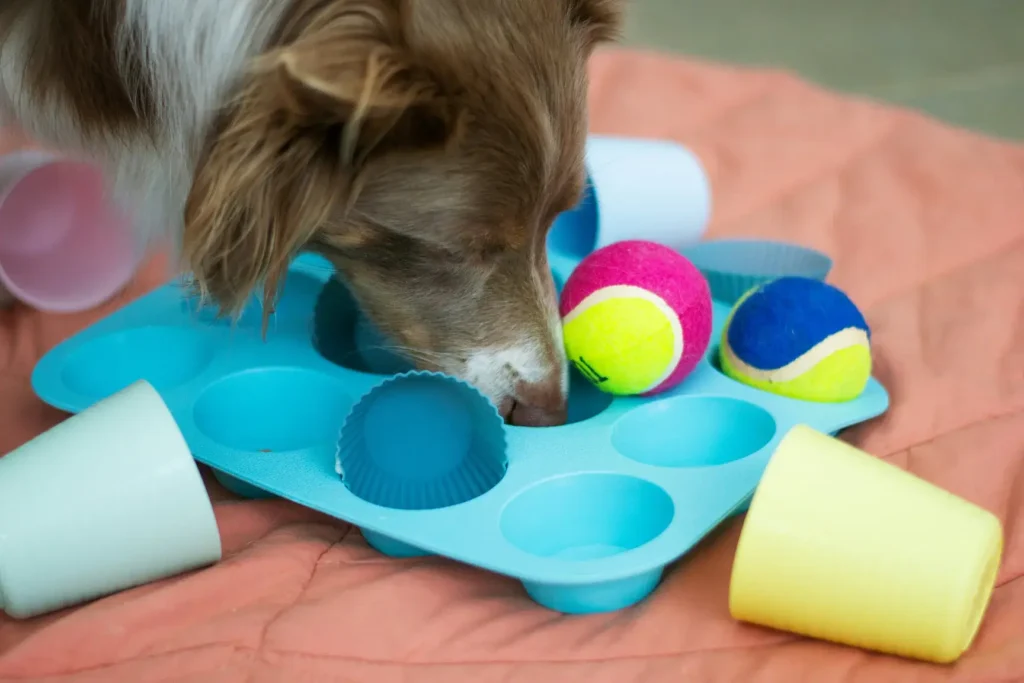
DIY dog enrichment
Towels and Cardboard
Old towels are perfect for creating quick, interactive games. Roll up a few treats inside a towel and let your dog work to unroll it to find their reward. This simple activity encourages natural foraging instincts and provides excellent canine enrichment.
Cardboard boxes also serve as fantastic, disposable puzzle tools. You can place treats inside a small box, tape it shut, and let your dog figure out how to tear it open. Always supervise this play to ensure your pet does not ingest any cardboard pieces.
Creating Simple Snuffle Mats at Home
Snuffle mats are excellent for improving healthy play habits in dogs by encouraging sniffing and searching. You can make one by tying strips of fleece or old T-shirts onto a rubber sink mat with holes. Once the mat is full of fabric strips, hide dry kibble deep within the layers.
This activity forces your dog to use their nose to find every piece of food. It is a calming exercise that helps lower stress levels after a long day. Your dog will likely feel tired and satisfied after a session of focused sniffing.
Safe Food-Based Puzzles Using Frozen Treats
Frozen treats are a brilliant way to extend the life of your slow-feeder toys or homemade containers. You can fill a muffin tin with water, low-sodium broth, and small pieces of fruit or vegetables, then freeze the entire tray. Once frozen, pop the cubes out and let your dog lick them on a tray or outside.
This method keeps your dog occupied for much longer than a standard treat. It is particularly helpful during hot weather when your pet needs extra hydration and cooling. Always ensure the ingredients you use are safe for canine consumption.
| Method | Difficulty Level | Preparation Time | Primary Benefit |
|---|---|---|---|
| Towel Roll | Easy | 1 Minute | Foraging Skills |
| Cardboard Box | Medium | 3 Minutes | Problem Solving |
| Frozen Muffin Tin | Hard | 10 Minutes | Mental Cooling |
Common Challenges and How to Overcome Them
Even the most eager pups might face a few bumps in the road as they learn to use new toys. While interactive dog toys are excellent for mental health, your pet may occasionally struggle with the mechanics of a new puzzle. Understanding these hurdles is a key part of successful dog training tips that keep your companion happy and engaged.
What to Do If Your Dog Gets Frustrated
If your dog begins to whine, paw aggressively, or walk away from a toy, they are likely feeling overwhelmed. Frustration often occurs when a puzzle is too difficult for their current skill level. You should simplify the task immediately to restore their confidence. Try removing a few sliders or using a looser setting on a treat-dispensing ball. By making the reward easier to access, you ensure that the experience remains positive and rewarding rather than stressful. Always aim to end the session on a high note to keep their enthusiasm alive.
Encouraging Reluctant Dogs to Engage with Puzzles
Some dogs may seem uninterested in DIY dog enrichment or store-bought puzzles at first. This hesitation is often just a lack of understanding regarding how the toy works. You can bridge this gap by demonstrating the process yourself or by using exceptionally high-value treats. Start by placing the treats in plain sight or leaving the toy partially open. As your dog begins to interact with the object, offer verbal praise to build their interest. With a little gentle encouragement, even the most hesitant dog will soon learn to love their mental workouts.
Preventing Resource Guarding Around Toys
Resource guarding is an instinct, but it can lead to destructive behaviour if not managed correctly. If your dog stiffens or growls when you approach their puzzle, it is important to remain calm and avoid taking the item away by force. Instead, focus on teaching your dog that your presence near the toy is a good thing. Practice the “trade” game by offering a higher-value treat in exchange for the toy. This trade helps your dog understand that they do not need to protect their items from you. Consistent, positive reinforcement is the best way to ensure that playtime remains a safe and enjoyable activity for your entire household.
Impact of Mental Enrichment on Dog Behaviour
Beyond simple entertainment, puzzle toys serve as a cornerstone for your dog’s long-term emotional stability. By prioritising canine enrichment, you are not just keeping your pet busy; you are actively shaping their future well-being. These activities create a consistent environment where your dog feels secure and understood.
Strengthening the Bond Between Owner and Pet
Engaging in shared play sessions fosters a deep sense of trust between you and your companion. When you work together to solve puzzles, you become a partner in their success. This collaborative effort naturally builds mutual respect and reinforces your role as a supportive leader. Spending quality time on these tasks helps you learn your dog’s unique communication style. You will begin to notice subtle cues that indicate their needs or preferences. This heightened awareness strengthens your connection, making every interaction more meaningful and rewarding for both parties.
Improving Overall Temperament and Calmness
Consistent mental challenges are highly effective for dog anxiety relief. When a dog learns to focus their energy on a constructive task, they are less likely to succumb to nervous habits. This shift in canine behaviour leads to a more relaxed and predictable temperament at home. A calm dog is a happy dog, and regular stimulation is the key to achieving this balance. By providing outlets for their natural instincts, you reduce the frustration that often leads to unwanted outbursts. Over time, this creates a peaceful household environment where your pet feels truly content.
Lifelong Benefits of Keeping a Sharp Mind
Prioritising cognitive development in dogs is essential for maintaining their mental acuity as they age. Just like humans, dogs benefit from regular brain exercises that keep their minds agile and alert. Whether you use store-bought puzzles or simple DIY dog enrichment, the goal is to keep them thinking.
These lifelong habits ensure that your dog remains curious and engaged with the world around them. Investing in their mental health today provides a buffer against cognitive decline in later years. Ultimately, a sharp mind is the greatest gift you can offer your loyal friend for a long, vibrant life.
Conclusion
Providing your pet with consistent mental challenges transforms their daily life. You hold the power to shape positive dog behaviour through simple, interactive play. These small changes create a lasting impact on your companion’s happiness. Prioritising canine enrichment helps you build a deeper connection with your furry friend. You will notice a calmer household as your dog finds healthy outlets for their natural energy. This approach serves as a reliable form of dog anxiety relief for pets struggling with modern living.
Brands like Kong and Outward Hound offer excellent starting points for your journey. You should observe how your pet interacts with these tools to support your dog’s cognitive development. Every session spent solving a puzzle strengthens their mind and builds lasting confidence. Start your routine today by introducing one new challenge at mealtime. Watch your dog thrive as they master new skills and overcome obstacles. Your commitment to their mental well-being ensures a lifetime of joy and companionship.