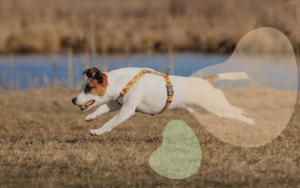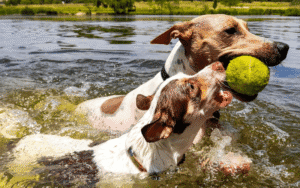
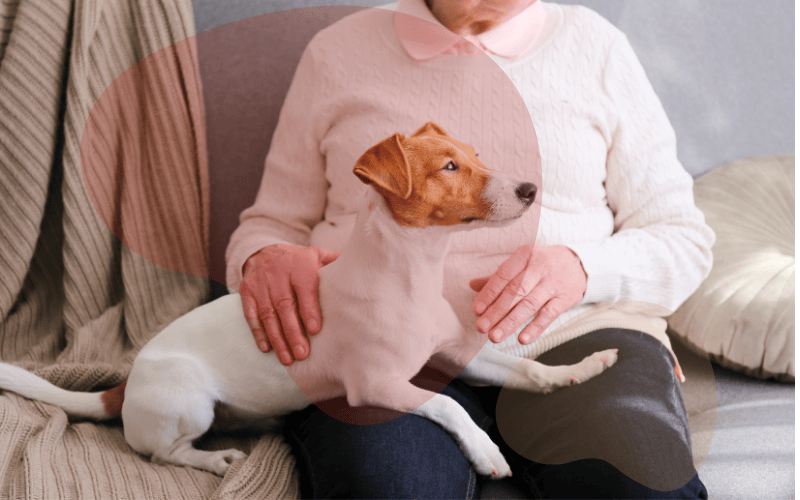
Every moment you spend with your dog is a training opportunity, believe it or not, and it can be so much fun if you turn it into play rather than a chore.
Every walk, every meal, every interaction is a learning moment. That’s why understanding how to train your dog at home is so important. It shapes your dog’s behaviour, builds trust, and creates a calmer, happier environment for both of you.
This approach works for everyone, from your new dog parents who just brought home a playful puppy, adopted a rescue, or want to improve their adult dog’s habits. Every day training can make a real difference. You don’t need special equipment or hours of free time. You need consistency and awareness.
For now, we’re focusing on just a few things: positive reinforcement, teaching simple commands, managing behaviour and turning daily routines into powerful learning opportunities.
Why Does Training Your Dog at Home Matter?
Training your dog at home allows you to teach your dog how to behave through daily interactions, routines, and consistent communication. It is not a replacement for structured training sessions, especially when you are new to dog parenthood. But it will help you build a strong relationship with your pup.
Your dog is always learning; they don’t have an on and off formality button. Even when you’re not actively “training,” they are picking up patterns. They learn what gets attention, what earns rewards, and what behaviours are ignored. If you are not guiding that learning, they will create their own rules.
That’s where everyday training comes in.
Why it matters
It builds clear communication
Your dog starts to understand what you expect. This reduces confusion and frustration on both sides.
It strengthens your bond
Training becomes part of your relationship, not a chore. Your dog begins to trust you as a consistent and safe guide.
It prevents problem behaviours
Jumping, barking, chewing, and pulling on the leash often come from unclear boundaries. Daily training helps prevent these before they become habits.
It boosts confidence
Dogs feel more secure when they know what to do. Clear guidance helps them navigate the world calmly.
It fits into real life
You don’t need extra time. You simply use the time you already spend with your dog more intentionally.
When you commit to training your dog at home, you’re not just teaching commands. You’re shaping how your dog experiences the world.
How to Train Your Dog at Home
This is where everything comes together. Training your dog at home is not about perfection. It’s about small, consistent actions that add up over time.
Let’s break it down into practical steps.
Step 1: Start with Positive Reinforcement
Positive reinforcement is effective in dog training. Just like us, they want to be rewarded when they show the behaviour we want to see.
There are several rewards you can give your dog that will make them happy based on their temperament, their training history, and how you’ve shown them affection in the past.
- A treat
- Praise
- A toy
- Attention
Over time, your dog learns: “When I do this, good things happen.”
How to apply it daily
- When your dog sits calmly instead of jumping, reward them
- When they walk nicely next to you, praise them
- When they choose their bed instead of the couch, acknowledge it
Timing matters. Reward immediately so your dog connects the behaviour with the outcome.
Example
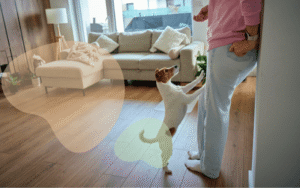
Your dog usually jumps when you get home. Instead of reacting to the jumping, wait for a moment when all four paws are on the ground. Then reward that calm behaviour.
You’re not punishing the jumping. You’re teaching a better alternative.
Step 2: Teach Simple Commands Through Routine
Commands are not just tricks. They are tools for communication.
Start with basic commands like:
- Sit
- Stay
- Come
- Down
- Leave it
The key is to teach them in context, not isolation.
How to integrate commands into daily life
Before meals
Ask your dog to sit before putting the bowl down.
Before going outside
Use “stay” at the door to prevent rushing.
During walks
Practice “come” in safe, controlled areas.
During play
Use “drop it” or “leave it” when needed.
Keep sessions short and natural. You don’t need a formal training block. Just use the moments that already exist.
Example
Instead of calling your dog randomly, use “come” when you’re about to give them something positive, like food or playtime. This builds a strong, reliable recall.
Step 3: Manage Behaviour, Don’t Just React to It
Set your dog up for success, not behaviour management. Create an environment where good behaviour is easy, and mistakes are less likely to happen. Dogs thrive on structure. When they know what to expect, they make better choices.
What does this look like
- Keep shoes out of reach if your dog chews them
- Use baby gates to limit access to certain areas
- Provide toys to redirect chewing
- Stick to a consistent routine
Redirect instead of punishing.
If your dog is doing something you don’t like, guide them toward something you do like.
- Chewing furniture → give a chew toy
- Jumping on guests → ask for a sit
- Barking at noise → redirect attention
Example
If your dog gets overly excited when visitors arrive, prepare in advance. Ask for a “sit” before opening the door. Reward calm behaviour. Over time, your dog learns that calmness gets attention, not chaos.
Step 4: Turn Daily Routines into Learning Opportunities
This is where everyday training really shines.
Your dog’s day is full of repeated patterns. These are perfect opportunities for learning.
Key moments to use
Feeding time
Teaches patience and impulse control
Walks
Reinforces leash manners and focus
Playtime
Builds engagement and responsiveness
Rest time
Encourages calm behaviour and independence
Grooming
Teaches tolerance and trust
Every routine becomes a mini training session.
Example
During walks, stop moving when your dog pulls. Only continue when the leash is loose. Your dog learns that pulling doesn’t get them where they want to go, but calm walking does.
Step 5: Be Consistent and Patient
Consistency is what makes training work.
If you allow a behaviour sometimes but not others, your dog gets confused. Mixed signals slow down learning.
What consistency looks like
- Use the same commands every time
- Reward the same behaviours consistently
- Stick to routines where possible
- Make sure everyone in the household follows the same rules
Patience is just as important
Dogs don’t learn overnight. Progress can be slow and sometimes messy. That’s normal.
Celebrate small wins:
- A calmer greeting
- A quicker response to a command
- A moment of focus during a walk
These small improvements add up.
Tips and Reminders for Training Your Dog at Home
Training your dog at home is simple, but there are a few things that can make it much easier and more effective.
Keep sessions short and natural
Dogs learn best in short bursts. A few minutes at a time is enough.
End on a positive note
Always finish with something your dog does well. This keeps training enjoyable.
Don’t rely only on treats
Treats are helpful, but also use praise, play, and attention as rewards.
Avoid punishment-based training
This can create fear and confusion. Focus on teaching, not correcting.
Read your dog’s mood
If your dog is tired, stressed, or overwhelmed, take a break. Training should feel safe and positive.
Here’s what we think
Training your dog at home isn’t about strict routines or perfect obedience. It’s about building a shared language through everyday life.
When you use positive reinforcement, teach simple commands, manage behaviour, and turn daily moments into learning opportunities, training becomes natural. It becomes part of your relationship, not something separate from it.
Over time, you’ll notice the changes. A calmer dog. Better communication. A stronger bond.
And the best part? You didn’t need anything complicated to get there. Just consistency, patience, and a willingness to learn alongside your dog.
If you’re ready to take your dog’s training to the next level, start small. Pick one routine today—feeding time, walks, or greetings—and turn it into a training moment.