
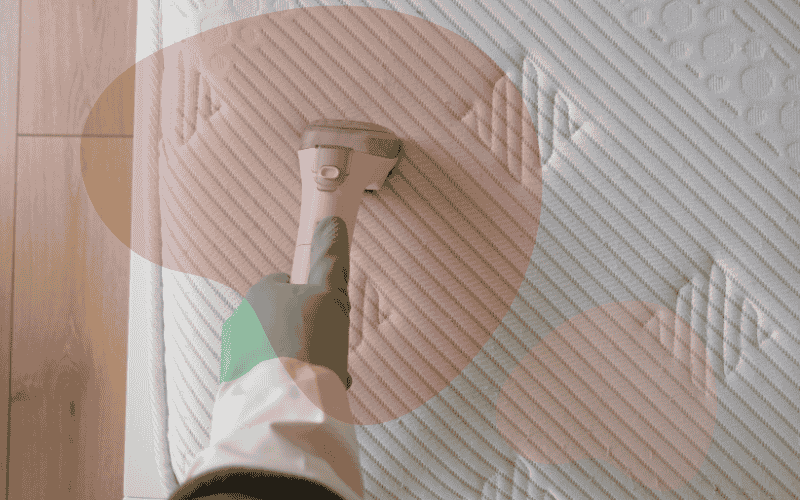
How often would you wear a shirt without washing it? You’re probably thinking, “Why’s that even a question?” Yet night after night, many of us sleep on our mattresses without ever thinking about cleaning them.
No judgment — but it’s something worth talking about.
To put it into perspective: the average person spends about a third of their life in bed. During a normal night’s sleep, the body produces roughly 500–700 millilitres (about 16–24 ounces) of sweat. That moisture, combined with dead skin cells, creates the perfect environment for dust mites and bacteria. We’ll let you do the math.
Mattress Hygiene Tips
By now, we can safely agree that mattress hygiene is essential. Cleaning your bed should go beyond just washing your sheets. A clean mattress can help reduce allergens, support better respiratory health, and improve your overall sleep quality.
How Often Should You Clean Your Mattress?
Yes, it sounds like more cleaning, and mattresses aren’t exactly easy to handle. The good news is you can keep things simple by following a three-part system:
- Weekly light cleaning
- Immediate accident/stain treatment
- Occasional deep cleaning (such as during spring cleaning)
Weekly Mattress Cleaning
Each time you change your bedding, take a few extra minutes to refresh your mattress too. Sweat isn’t the only issue; we constantly shed dead skin cells, which dust mites feed on. Mattresses also trap humidity, making them an ideal home for these allergens.
Weekly cleaning is especially important if you have allergies, asthma, or pets.
How to Clean Your Mattress Weekly
Wash Bedding and Covers
Remove sheets, pillowcases, and mattress protectors and wash them in the machine. Soaking them briefly in hot water before the wash cycle can help improve cleanliness. Many pillows are also machine washable; make sure to check the care label first.
Vacuum the Mattress
Use your vacuum’s upholstery attachment to clean the entire mattress surface. Pay special attention to seams and edges where dust and debris tend to collect. Vacuum the sides as well, not just the top.
How to Treat Mattress Stains
Accidents happen. Your first instinct might be to use lots of water — but avoid soaking your mattress. Excess moisture takes a long time to dry and can lead to mildew, mould, and even rust in spring mattresses.
Instead, follow this method:
- Blot the stain gently with a damp cloth or paper towel — avoid rubbing as it spreads the stain.
- Apply stain remover to a cloth (not directly onto the mattress).
- Blot the area until the stain begins to lift.
- Follow with light blotting using cold water.
For biological stains (such as blood, sweat, urine, or vomit), you can make a simple enzyme cleaning solution:
- ¾ cup warm water
- ¼ cup vinegar
- A small amount of dishwashing liquid
Blot gently with the solution — never oversaturate. After cleaning, let the mattress air dry completely. Open windows or use air conditioning or a fan to improve airflow. Drying may take several hours, depending on the stain size.
Deodorising With Baking Soda
Baking soda is excellent for deodorising, absorbing moisture, and freshening your mattress, especially when sun exposure isn’t possible.
- Sprinkle a thin, even layer across the mattress surface.
- Leave it for several hours.
- Vacuum thoroughly to remove all residue.
A mattress is a long-term investment in your comfort and health. Regular cleaning helps it last longer — and helps you sleep better. A little maintenance goes a long way.