
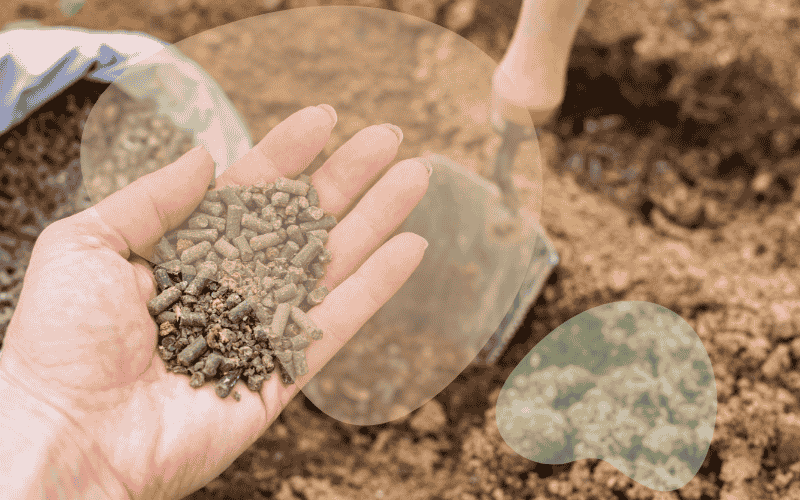
Healthy, living soil and thoughtful nourishment is a foundation for a thriving garden. Think of soil not just as dirt, but as your garden’s vital habitat. Every plant’s health is a direct reflection of the complex world beneath it, shaped by an interplay of physical, chemical, and biological properties.
Soil Composition
Soil is composed of four primary components:
- Mineral particles: (sand, silt, clay) provide structure and are the source of essential macronutrients like nitrogen (N), phosphorus (P), and potassium (K). These elements drive critical processes from photosynthesis and root development to disease resistance and fruiting.
- Organic matter: decaying plant and animal material, compost, well-rotted manure, leaf mold—feeds a hidden beneficial bacteria, fungi, and earthworms. This biotic community improves soil structure, moisture retention, and slowly releases a steady, balanced diet of nutrients, transforming inert ground into a teeming, generative medium.
- Water: dissolves minerals and nutrients, creating the solution that plant roots absorb. It regulates temperature and facilitates every biochemical process within the plant. Watering through deep, infrequent sessions or efficient drip irrigation ensures water reaches the root zone where it is needed.
- Air: is critical for root respiration and the aerobic microbes that break down organic matter. Compacted, airless soil suffocates roots and stifles biological activity. Good tilth ensures a constant exchange of oxygen and carbon dioxide, keeping the underground world alive and active.
Soil Texture
Texture describes the proportional mix of mineral particles. Sandy soils are gritty and drain too fast; clay soils are dense and hold water stubbornly. The gold standard is loam, a balanced blend of sand, silt, and clay that offers ideal drainage and moisture retention.
Soil Structure
Structure is how soil particles are arranged. In healthy soil, they bind into small, crumbly aggregates. This creates a porous, sponge-like framework that allows roots to penetrate easily, water to infiltrate and drain properly, and air to circulate freely. Organic matter is the key to building and maintaining this perfect architecture.
Below is a classification of the soil structures:
- Sandy soils: Drain quickly but retain few nutrients.
- Clay soils: Retain water and nutrients well but can become compacted.
- Loamy soils: A balanced mix of sand, silt, and clay, ideal for most plants.
Soil pH
Soil pH is a measure of acidity or alkalinity on a scale of 0 to 14, it acts as a switch for nutrient availability. Most garden plants prefer a slightly acidic to neutral range (pH 6.0-7.0) – where essential nutrients are most soluble. Outside this range, nutrients can become chemically “locked up,” inaccessible to plants despite being present in the soil.
Soil Fertility
Soil fertility refers to the soil’s ability to supply essential nutrients. The three primary nutrients are:
- Nitrogen (N): Encourages leafy growth.
- Phosphorus (P): Promotes root development and flowering.
- Potassium (K): Improves overall plant health and disease resistance.
Soil Testing
Soil testing is a valuable tool to understand your soil’s nutrient levels and pH. Tailoring your fertilization plan based on testing results can significantly improve plant health and yields.
DIY Soil Testing Kits
DIY soil testing kits, available at garden centers, are a quick and easy way to check pH and nutrient levels.
Professional Soil Testing Services
For more accurate and detailed results, send a soil sample to a laboratory. Professional analysis provides:
- Comprehensive nutrient breakdown
- pH levels
- Recommendations for amendments
Improving Soil Health
Organic Matter: The Backbone of Healthy Soil
Adding organic matter improves soil structure, water retention, and nutrient availability. Examples include:
- Compost: Nutrient-rich and easy to make at home.
- Manure: Adds nutrients and organic material.
- Leaf mold: Excellent for soil texture and water retention.
Additional Techniques
- Composting: Transform organic waste into valuable compost for your garden.
- Cover Cropping: Plant cover crops to improve fertility, prevent erosion, and suppress weeds.
- Mulching: Use organic or inorganic materials to conserve moisture, regulate temperature, and reduce weed growth.
- Crop Rotation: Rotate crops annually to prevent pest buildup and maintain soil health.
Choosing the Right Fertilizer
Types of Fertilizers
- Organic Fertilizers: Slow-release nutrients that improve soil health (e.g., compost, manure).
- Inorganic Fertilizers: Quick nutrient boost but may harm soil if overused.
NPK Ratios
The NPK ratio indicates the percentage of nitrogen (N), phosphorus (P), and potassium (K) in the fertilizer. Choose a ratio based on your plants’ needs and soil deficiencies.
Slow-Release vs. Quick-Release Fertilizers
- Slow-release: Provides nutrients gradually, reducing the risk of nutrient burn.
- Quick-release: Delivers immediate nutrients but requires frequent application.
Liquid vs. Granular Fertilizers
- Liquid: Easy to apply and fast-acting.
- Granular: Durable and ideal for long-term fertilization.
Fertilization Techniques
- Top Dressing: Spread fertilizer on the soil surface.
- Side Dressing: Apply fertilizer near the base of growing plants.
- Foliar Feeding: Spray liquid fertilizer directly on leaves for quick nutrient absorption.
- Fertigation: Deliver fertilizer through your irrigation system for precision feeding.
Troubleshooting Common Soil Problems
Compacted Soil
- Problem: Restricts root growth and water absorption.
- Solution: Aerate with core aeration or tilling.
Poor Drainage
- Problem: Leads to waterlogged soil.
- Solution: Improve with raised beds, drainage tiles, or organic matter.
Nutrient Deficiencies
- Problem: Causes stunted growth and yellowing leaves.
- Solution: Identify and correct deficiencies through soil testing and tailored fertilization.
Pest and Disease Issues
- Problem: Weaken plants and reduce yield.
- Solution: Promote healthy soil to boost natural resistance and apply targeted pest control measures.
Sustainable Gardening Practices
- Reduce Fertilizer Use: Minimize environmental impact by using natural fertilizers like compost and manure.
- Water-Wise Gardening: Conserve water with efficient irrigation methods such as drip irrigation.
- Integrated Pest Management (IPM): Combine cultural, biological, and chemical controls to manage pests sustainably.
By understanding soil and fertilizer basics, you can build a healthy foundation for your garden. Tailoring your approach to soil health, fertilization, and sustainable practices will not only improve plant growth but also reduce your environmental impact. Happy gardening!