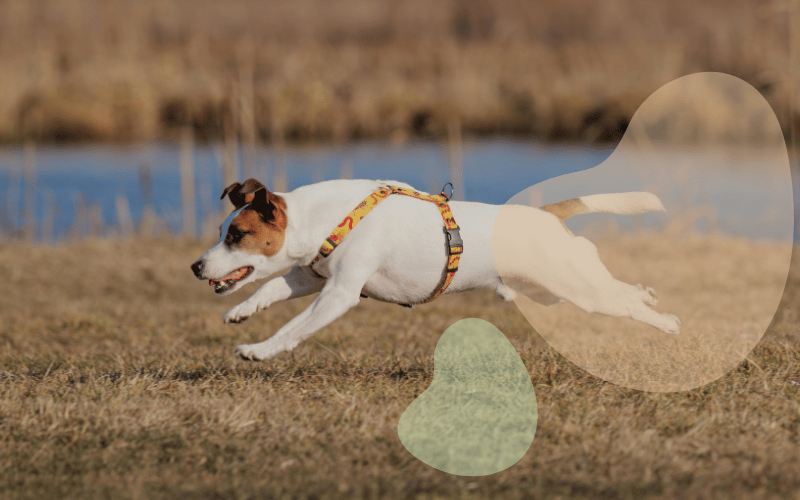
Owning a Jack Russell Terrier comes with plenty of energy, personality, and, if you’re not prepared for it, a very busy household.
Jack Russells are intelligent working dogs with a strong instinct to hunt, chase and explore. Give them too little to do, and they will quickly be bored or frustrated. That boredom often manifests in destructive behaviours, such as digging, barking, chewing, escaping, and other unwanted behaviours.
Regular exercise will benefit your family in several ways. It helps keep them fit, mentally engaged and better able to settle at home.
Why Are Jack Russell Terriers High-Energy Dogs
To understand why Jack Russells have so much energy and a constant need to move, it helps to look at their history. They were developed in the mid-1800s by Reverend John Russell, a fox-hunting enthusiast from Devonshire, England. He bred working terriers for the demands of fox hunting.
These dogs needed stamina, focus and courage. They had to work independently, chase foxes and follow them into narrow underground dens. Chasing, digging, investigating and staying focused for long periods were all part of the job.
Why Exercise Helps Prevent Problem Behaviours
Your Jack Russell still carries many of these instincts today. When they do not have a suitable outlet for their energy, they may create one themselves.
That could mean digging holes in the garden, barking at every sound, chewing things they shouldn’t or finding ways to escape the yard.
This is why exercise is about more than keeping your Jack Russell physically fit. Regular activity gives them an appropriate way to use their energy and instincts, which can make it easier for them to settle at home.
Physical exercise should also be paired with mental stimulation. A long walk may tire your dog physically, but a sniffing game, training session or puzzle toy challenges their brain differently.
Giving your Jack Russell opportunities to move, explore, investigate and problem-solve can help prevent boredom and give those busy terrier instincts somewhere constructive to go.
How Much Exercise Does a Jack Russell Need?
I aim to give Luna, my adult Jack Russell, around 60 to 90 minutes of vigorous activity each day. We mix things up with walks, runs, play, training, sniffing games, agility and other activities that challenge both her body and her mind.
What Exercise Looks Like in Our Week
- Brisk daily walks: We aim for around an hour of walking in total, usually split between two walks. I also let Luna stop and sniff along the way. For her, a walk is about more than covering distance. She loves investigating all the smells and everything happening around her.
- High-energy play: We mix in games of fetch, chase and other activities that get her moving. When we have access to a secure area, I let her run and play more freely.
- Structured activities: I like adding activities such as agility because they give Luna a physical challenge while also making her think. It is a great combination for a busy Jack Russell.
- Weekend adventures: Weekends give us more time to explore. A hike, a new walking route or simply visiting a dog-safe place gives Luna new sights, sounds and smells to investigate.
- Training sessions: I also use short training sessions throughout the day as a form of mental exercise. Even a few minutes of practising commands, tricks or good manners gives her something to focus on.
The key for me is not simply trying to wear Luna out. It is about giving her different ways to use her energy. Some days that means more running and play. Other days, a slower sniff-filled walk and a few training games are enough to keep her body and mind busy.
Balance Intensity With Endurance
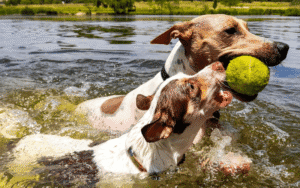
Jack Russells love to run, but not every activity needs to be high-intensity. I balance short bursts of energetic play, such as chasing a ball, with longer walks and hikes that build endurance and give Luna time to explore.
I also watch her closely during high-energy games, especially in hot weather. Jack Russells can be so determined to keep going that they may not know when to stop, so sometimes I have to call it before she overdoes it.
Safe Outdoor Exercise for Jack Russells
For many Jack Russells, outdoor time is where they get to indulge their favourite activities: running, sniffing, chasing and exploring.
The challenge is keeping those instincts under control.
Controlled Off-Leash Play
I give Luna off-leash time only in securely fenced areas where she can run and explore without taking off.
Jack Russells are clever escape artists and can jump, climb or dig their way out, so secure fencing is rather important. If we are somewhere unfenced, I keep Luna on leash until I know the area is safe.
A reliable recall is also important. It gives you much better control if your dog spots something tempting and decides to chase. I also always carry a bag of treats whenever we are out and about, so I can reward Luna for checking in, coming when called, or simply making good choices.
Hiking and Trail Walking With Your Jack Russell
I love taking Luna on new trails because hiking gives her both physical exercise and mental stimulation. The different scents, sounds and surroundings give her plenty to investigate.
Keep your Jack Russell on a sturdy leash unless you are in a designated off-leash area. Their prey drive can take over quickly if they spot something to chase
Before heading out:
- Check the trail rules: Make sure dogs are allowed and find out whether they must remain on leash.
- Take water: Carry enough fresh water for both of you, along with a collapsible bowl.
- Check the trail beforehand: If you have never walked the route, look at reviews and information from other visitors before taking your dog.
- Use a well-fitted harness: Luna also wears a well-fitted harness, which gives me better control if she suddenly dashes off.
Leash Training
A Jack Russell that constantly pulls can make walks exhausting. I use positive reinforcement, rewarding Luna with treats and praise when she walks calmly beside me.
Leash training is especially important with a breed that has such a strong prey drive. It helps Luna stay focused on me when something catches her attention.
Indoor Exercise for Rainy Days
Bad weather does not mean your Jack Russell has to spend the day bored.
You may not be able to provide the same amount of running space indoors, but you can still give your dog meaningful physical and mental activity.
Hide-and-Seek
Hide-and-seek is one of our favourites. It taps into Luna’s natural hunting instincts and gets her moving around the apartment while using her nose to find treats hidden around our apartment. I start with easy hiding spots and gradually make them harder.
Tug-of-War
Tug is another great option when space is limited. It gives Luna a chance to burn off energy comfortably in our studio apartment.
I keep the game controlled and practise a “drop it” cue, so she knows when to release the toy. If she gets too excited, we take a break.
Make Indoor Play Safe
Before getting Luna worked up, I clear anything she could knock over, move cords out of reach and make sure she has enough grip on the floor. I also keep energetic games away from furniture and other hazards.
Living in a small space has taught me that Luna doesn’t need a huge area to stay active. A few short, purposeful games can make a rainy day much more interesting.
Mental Stimulation Is Just as Important
I’ve noticed that Luna can come home from a long walk and still be ready for more. That does not always mean she needs more exercise.
As a clever working breed, Jack Russells benefit from activities that challenge their brains. Training, scent games and problem-solving activities can leave Luna satisfied without adding another hour of physical exercise.
Puzzle Toys and Brain Games
Puzzle toys give Luna a problem to solve before she gets her reward. But you do not need expensive toys to keep her busy. I often use simple DIY options, such as hiding treats in a rolled-up towel for her to sniff and work out.
If your budget allows, brands such as Kong and Nina Ottosson offer interactive dog toy options.
Scent Work and Tracking
Luna’s nose is one of her best tools, so I love giving her opportunities to use it. I hide treats or one of her favourite toys around the apartment and tell her “Find it!”
As she gets better, I make the hiding spots more difficult or create scent trails for her to follow in the garden.
For me, scent work is one of the easiest ways to give Luna a mental workout while allowing her to use the natural skills that made Jack Russells such effective working dogs.
Why a Consistent Routine Matters
I’ve found that Luna does best when she has some structure to her day. Jack Russells thrive on knowing when it is time to eat, exercise, play and rest. A routine also helps me make sure she gets enough activity without overdoing it.
Our schedule is not identical every day, but keeping certain activities around the same times gives Luna a rhythm.
Our Typical Routine
- Morning: A walk or run, followed by a quick sniffing game while I get ready for work.
- During the day: A puzzle toy or short training session when possible.
- Evening: A longer walk, play session or another activity that lets her burn off energy.
- After exercise: Quiet time to help her settle and rest.
That last part is important. With a Jack Russell, learning to switch off and relax is just as important as learning how to stay active.
Know When Your Jack Russell Has Had Enough
This is one area where you cannot rely entirely on your dog to decide for you.
If your Jack Russell is anything like my Luna, they can be determined to keep going long after they should have stopped.
I watch her closely during exercise and look for signs that it is time to call it a day.
Signs of Overexertion
Look out for:
- Excessive panting that does not settle with rest.
- Falling behind or slowing down
- Stumbling, unsteady movement or poor coordination.
- Bright red gums and excessive drooling, which can indicate heat stress.
If you notice these signs, stop exercising immediately. Move your dog somewhere cool and shaded and offer small amounts of water.
Adjust Exercise for Your Dog’s Age
Luna’s exercise needs have changed as she has grown, and that is something every Jack Russell owner should keep in mind. A puppy cannot exercise like a healthy adult, while an older dog may need a gentler approach.
Exercise for Jack Russell Puppies
Puppies may seem tireless, but their bones and joints are still developing. Avoid long runs, repetitive jumping and other high-impact activities.
Instead, keep things short and fun. Gentle games, short walks and plenty of sniffing and exploring allow puppies to move at their own pace. Watch for signs of tiredness, as they often keep playing even when they need a break.
Exercise for Senior Jack Russells
Older Jack Russells still benefit from regular movement, but they may need less intensity. I would swap long runs for shorter walks, gentler play and more mental stimulation, while choosing surfaces that are easier on ageing joints.
Keep an eye out for stiffness, soreness or reluctance to move after exercise. If your dog seems uncomfortable, reduce the intensity and speak to your vet if needed.
The goal at every age is the same: keep your Jack Russell active without pushing them beyond what their body can comfortably handle.