
Being a responsible owner goes beyond providing food and walks. Since dogs spend the majority of their lives indoors, an environment that fails to meet their emotional needs can lead to boredom, anxiety, and destructive behaviour.
Creating a “suitable” home isn’t about square footage or expensive renovations; it’s about safety, inclusion, and mental stimulation. Whether you live in a studio apartment or a farmhouse, here is how to design a life where your dog truly belongs.
What Is a Suitable Home for Your Dog, and Why Does It Matter?
A supportive space for your dog is an environment where your dog feels safe, comfortable, included in daily life, and mentally and socially stimulated. It is not about having a perfect house or a huge yard. It is about designing your home and lifestyle in a way that allows your dog to live as part of the family, not just as a pet that lives outside or sleeps in a corner.
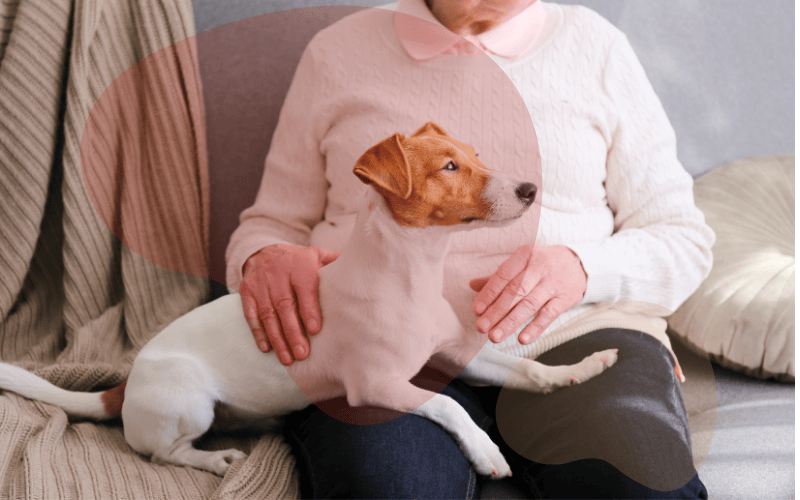
Dogs are pack animals. They don’t just want to be near you; they want to be with you. If your dog spends all day outside alone, they aren’t playing; they are likely waiting. Invite them inside while you cook or watch TV. Build emotional security through passive bonding — simply existing in the same space.
When you create a suitable home for your dog, you are supporting their social needs, which include:
- Bonding with their humans
- Playing and mental stimulation
- Being part of the family
- Socialising with people and other dogs
When these needs are met, they are usually calmer, happier, more confident, and easier to train. A suitable home environment also helps reduce stress for both the dog and its owner.
How to Build a Suitable Home for Your Dog
1. Create Opportunities for Bonding
Bonding is the foundation of your relationship with your dog. A suitable home for your dog should allow your dog to spend time with you, not be isolated away from the family for most of the day.
Bonding does not only happen during walks. It happens in everyday moments at home.
Ways to build bonding at home:
- Let your dog spend time in the same room as you
- Talk to your dog throughout the day
- Groom your dog regularly
- Sit with your dog while watching TV
- Train your dog using positive reinforcement
- Create a daily routine together
- Feed your dog at consistent times
- Go for daily walks together
- Give calm affection and attention
Dogs build emotional security through time spent with their humans. A suitable home for your dog is one where they feel included in daily life.
For example, instead of your dog always staying outside alone, allow them inside when you are home so they can relax near you. Many dogs are happiest simply lying near their owner while they work, cook, or relax.
Bonding creates trust, and trust creates a calm, well-behaved dog.
2. Design Your Home for Play and Mental Stimulation
Play is not just for puppies. Play is essential for all dogs because it provides exercise, mental stimulation, and stress relief. A suitable home for your dog should have space and opportunities for play, both indoors and outdoors.
Indoor play ideas:
- Tug toys
- Puzzle toys
- Hide and seek with treats
- Training games
- Fetch in a hallway
- Chew toys
- Snuffle mats
- Obstacle courses using furniture
Outdoor play ideas:
- Fetch in the garden
- Tug rope games
- Digging area or sandbox
- Agility obstacles
- Running space
- Water play in summer
If dogs do not have enough stimulation, they create their own entertainment, which usually involves chewing shoes, digging holes, or destroying cushions.
A good idea is to create a toy basket for your dog and rotate toys every few days so they do not get bored.
Play also strengthens the bond between you and your dog and helps reduce behavioural problems.
3. Integrate Your Dog Into the Family
One of the biggest mistakes people make is treating the dog as separate from the household. A suitable home for your dog is one where the dog is part of the family environment.
Family integration means:
- The dog spends time with the family
- The dog has a sleeping area inside or near the house
- The dog is included in daily routines
- The dog knows all family members
- The dog is not isolated for long periods
- Everyone in the house interacts with the dog
- The dog has a consistent routine
Dogs that are integrated into the family are usually more confident and less anxious. They understand their place in the home and feel secure.
Simple ways to integrate your dog into family life:
- Let your dog lie in the lounge while the family watches TV
- Include your dog when you sit outside
- Let your dog greet family members when they come home
- Give your dog a bed in a social area of the house
- Feed your dog at the same time as family meals
- Go on family walks together
- Teach children how to interact calmly with the dog
Your dog does not need constant attention, but they do need to feel like they belong.
A suitable home for your dog is one where they are part of the household, not just living on the property.
4. Socialisation Inside and Outside the Home
Socialisation is extremely important for a dog’s confidence and behaviour. A suitable home for your dog should allow your dog to experience different people, sounds, environments, and other animals safely.
Dogs that are not socialised often become fearful, aggressive, or anxious.
Socialisation includes:
- Meeting new people
- Meeting other dogs
- Hearing different sounds (vacuum, traffic, thunder)
- Visiting new places
- Walking in different environments
- Being handled (grooming, vet visits)
- Car rides
- Visitors coming to the house
Your home can help with socialisation by:
- Allowing visitors to greet the dog calmly
- Playing different sounds at low volume
- Introducing new toys and objects
- Practising training in different rooms
- Letting your dog see activity through windows or gates
- Having safe spaces where the dog can retreat if overwhelmed
A well-socialised dog is usually calmer, more confident, and easier to manage in public and at home.
5. Create Safe and Comfortable Spaces
A suitable home for your dog must also be safe and comfortable. Dogs need a place where they can rest without disturbances.
Things every dog home should have:
- Comfortable dog bed
- Quiet sleeping area
- Fresh water always available
- Feeding station
- Safe toys
- Secure fencing
- Shade outside
- Shelter from rain and cold
- Non-slip flooring
- Safe storage for chemicals and medication
- Covered bins
- Secure gates and doors
Dogs sleep a lot, often 12 to 14 hours per day, so a comfortable sleeping area is crucial.
Some dogs prefer sleeping near their owners, while others prefer a quiet corner. Watch where your dog naturally chooses to sleep and place their bed there.
6. Keep the Home Clean and Easy to Maintain
A suitable home for your dog should also be practical and easy to clean.
Dogs naturally bring mud, hair, dust, grass, sand, water, and sometimes odours into the house. This is part of living with dogs, so it helps to set up your home in a way that makes cleaning easier.
Easy-to-clean flooring can make a big difference. Washable dog beds and blankets also help keep things fresh. Keeping towels near the door is useful for muddy paws after walks or rain. Brushing your dog regularly will reduce loose hair in the house. Vacuuming often and airing out the house daily helps keep the space clean and fresh.
Some people also create a small washing station or use a laundry sink to rinse muddy paws. Keeping a toy basket and storing leashes and grooming tools in one place helps keep the home organised. A clean environment is healthier and more comfortable for both dogs and humans.
Building a home suitable for your dog is really about creating a life where your dog feels safe, included, stimulated, and loved. Dogs are social animals that need bonding, play, family integration, and socialisation to live happy and balanced lives. When these needs are met, dogs are calmer, healthier, better behaved, and more confident.
A suitable home for your dog does not need to be perfect or expensive. It just needs to be safe, comfortable, interactive, and full of companionship. Small changes like creating a sleeping area, setting a routine, playing daily, and including your dog in family activities can make a huge difference in your dog’s happiness.
When you build a home around your dog’s needs, you are not just giving them a place to live; you are giving them a place where they belong.
If you want to create a suitable home for your dog, start by looking at your home and daily routine from your dog’s perspective. Ask yourself:
- Does my dog spend enough time with us?
- Does my dog have space to play?
- Is my home safe for my dog?
- Does my dog have a comfortable place to sleep?
- Is my dog included in family life?
- Does my dog get enough social interaction?
Start with small improvements and build a home environment that supports your dog’s social, emotional, and physical needs. A happy home makes a happy dog, and a happy dog makes a happy home.